Fertiliser tariff cuts will barely ease farm costs, NFU says
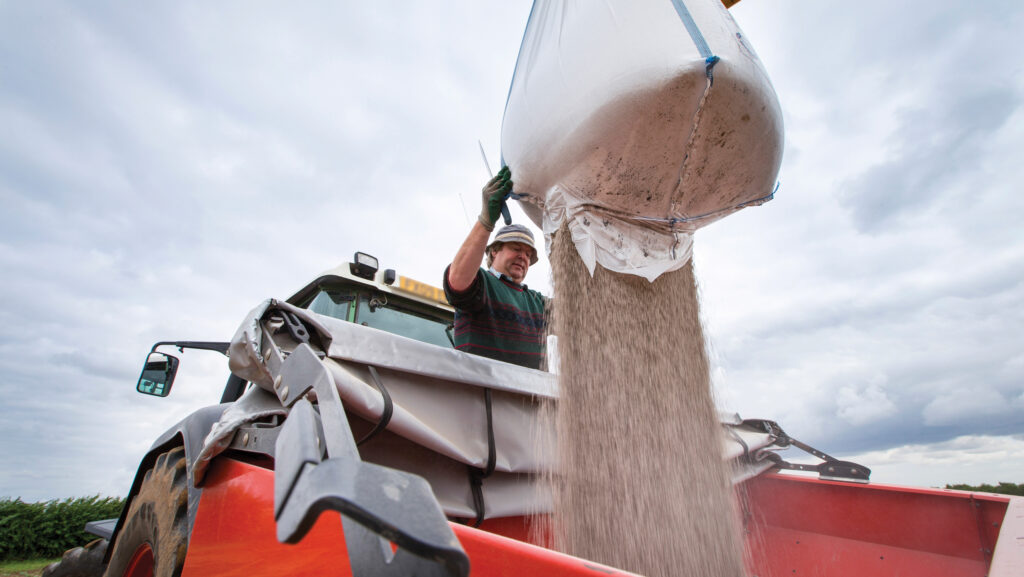 © GNP
The government’s decision to remove import tariffs on some fertilisers will do little to reduce costs on farm, the NFU has warned, as it urged ministers to use the Budget to address bigger pressures facing the sector.
Chancellor John Healey announced the removal of import tariffs on more than 100 products on Monday (26 October), including fertilisers, which have previously been subject to duties of between 2% and 6.5%.
The package, which comes into effect on 26 November, aims to reduce import costs, broaden supply options and ease pressure on farmers and households amid rising costs linked to conflict in the Middle East.
See also: Farmers Weekly Podcast Ep 327: Farm tax breaks ahead of Budget
Defra secretary Dame Angela Eagle said the tariff cuts would help ease rising input costs, strengthen supply chains and support domestic food production.
However, NFU president Tom Bradshaw questioned how much farmers would benefit, pointing out that much of the fertiliser imported into the UK already enters tariff-free.
“Unfortunately, the fertiliser tariff reductions being talked about today are unlikely to make a meaningful difference to farm businesses or household food bills,” he said.
He said any benefit would depend on whether the products covered were widely used by UK farmers and whether cost savings were passed through the supply chain, adding that “much bigger factors” were driving fertiliser prices.
Instead, the union urged ministers to focus on measures it believes would make a bigger difference, including preventing the Carbon Border Adjustment Mechanism (Cbam), due to be introduced in January, from increasing fertiliser costs for domestic producers.
Further demands
The NFU is also calling for wider capital allowances to support investment in infrastructure such as reservoirs, a reversal of changes to agricultural and business property relief, and temporary interest-free loans for farm businesses affected by this summer’s difficult growing season.
Mr Bradshaw said strengthening domestic food production was the best way to improve food security and ease cost-of-living pressures.
“The government still has time to back British farming and our food producers in tomorrow’s Budget,” he added.
The union has also called for the 5p a litre fuel duty cut on diesel to be extended beyond the end of the year to help offset rising fuel costs.