Hay and straw harvest better than expected despite drought
 © Adobe Stock
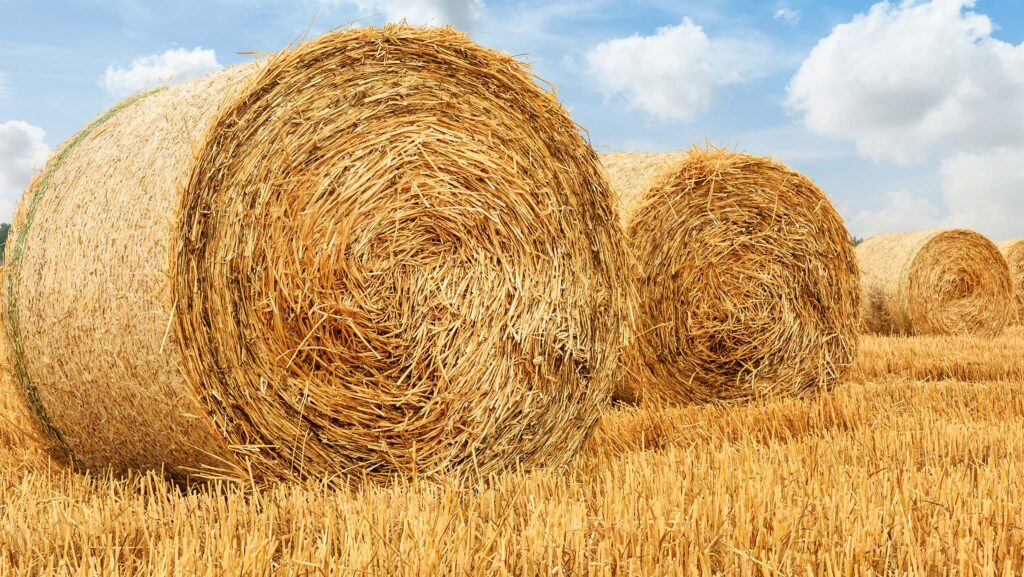
 Yields and quality of this year’s straw harvest have been much better than expected, despite the drought conditions, according to the British Hay and Straw Merchants Association.
“There is plenty of wheat straw available, although availability of barley straw is much more varied by region,” said association secretary April Gingell.
“Cambridgeshire and Kent have reported lower yields, but most places are average.”
See also: Drought could cost arable farmers £390m in lost revenue
Angus McEwen Smith, at forage merchant Abbott and Co in Gloucestershire, agreed. “There’s quite a bit of wheat and rape straw about this year, although the barley has suffered. Straw from spring crops has been very variable.”
Wheat straw is currently priced at £75-£85/t ex-farm, and barley at £100-£110/t ex-farm, he said.
According to Ms Gingell, straw prices are now starting to fall, with big square wheat straw losing £20-£30/t in the past month, to average £80/t.
“The fall has not been dramatic, but there is a downward trend, as there is not big demand at present,” she said.
“Farmers are busy finishing harvest and not thinking about stocking up with straw yet.”
Hay in tight supply
As for hay, the severe lack of rain has certainly had an effect, and prices are firm.
Although hay and grass silage are plentiful thanks to successful first cuts this year, it is now much sought after, said Mr McEwen Smith.
“We’ve seen a surge in demand in the past two weeks due to the weather, and prices have been pushed up. Many growers have also been hesitant to sell due to running short last year.”
While ex-farm hay was fetching £70-£80/t two months ago, it’s now fetching £100-£110/t.
“We’re also finding farmers are ordering when they need it rather than placing bulk orders, probably because they struggled last year and this has had an effect on cashflow.”
Farmers are feeding hay/straw now because the grass has pretty much gone, added Ms Gingell.
“We anticipate hay will be dry, but haven’t had enough reports on quality to date to draw any firm conclusions.”