Fuel and fertiliser prices drop on possible US-Iran deal
 © GNP
© GNP Global commodity markets have gone into overdrive this week following news of a potential US-Iran deal to end the war.
The deal, which could result in the reopening of the Strait of Hormuz, was expected to be agreed on Friday 19 June as Farmers Weekly went to press midweek.
See also: Volatile markets put grain-selling tactics in the spotlight
Fuel prices had already fallen significantly, with Brent crude trading at $79 (£59) a barrel on 17 June, a 35% drop from its peak in late April.
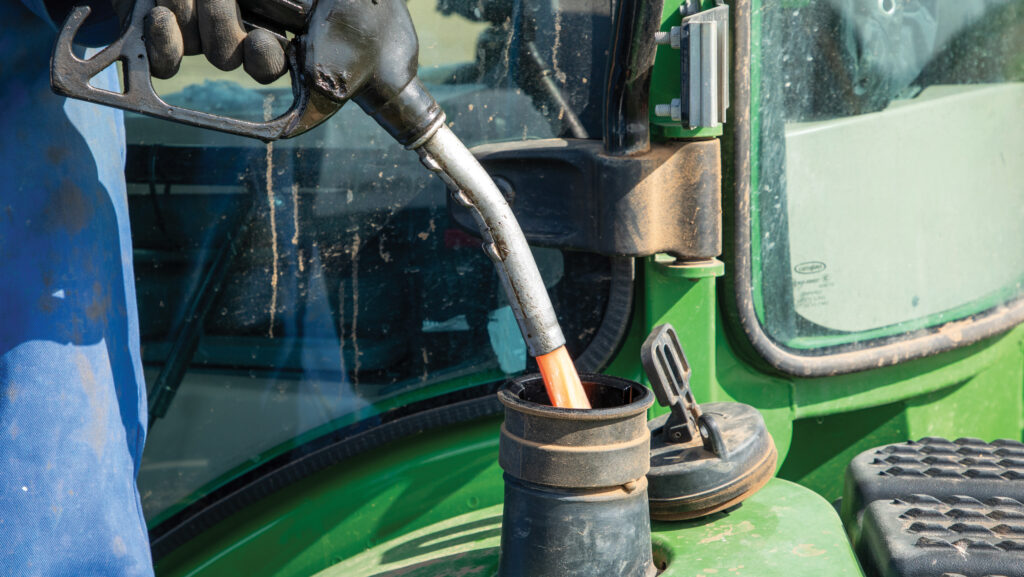
Red diesel prices have also fallen back to roughly 80p/litre in the UK, the lowest price point since the escalation in the Middle East began earlier this year.
This is despite a lot of uncertainty remaining around whether a deal will be finalised and whether it will manage to stay in place.
Fertiliser prices have also started to decline from the height of the conflict, although remain above pre-war levels, with granular urea (46%) trading at £587/t in early June.
Grains and oilseeds
The impact of a deal on grain and oilseed markets appears mixed, although generally prices are expected to come under pressure.
Analysts at AHDB say an end to the conflict would be bearish for grains in the short term as it eased energy and freight costs, reduced fertiliser-cost pressure and removed the risk premium.
However, some merchants argue that the conflict ending could lead to some short-term support to prices, as importing countries rush to restock.
For oilseed rape, UK delivered prices have slipped back, falling to roughly £440/t for August.
Impact on Ensus
The Ensus bioethanol plant received £100m in government support in March to address the carbon dioxide supply disruption due to the Middle East conflict, but the implications of a US-Iran deal for future funding and production remain unclear.
Lord Fuller told the House of Lords on 11 June that the first cargoes of feedstock for Ensus were from France. He said: “The government could not bring themselves to require that the wheat for that plant come from British farmers, who are on their knees.”