Fuel price hike to take heavy toll on farm incomes
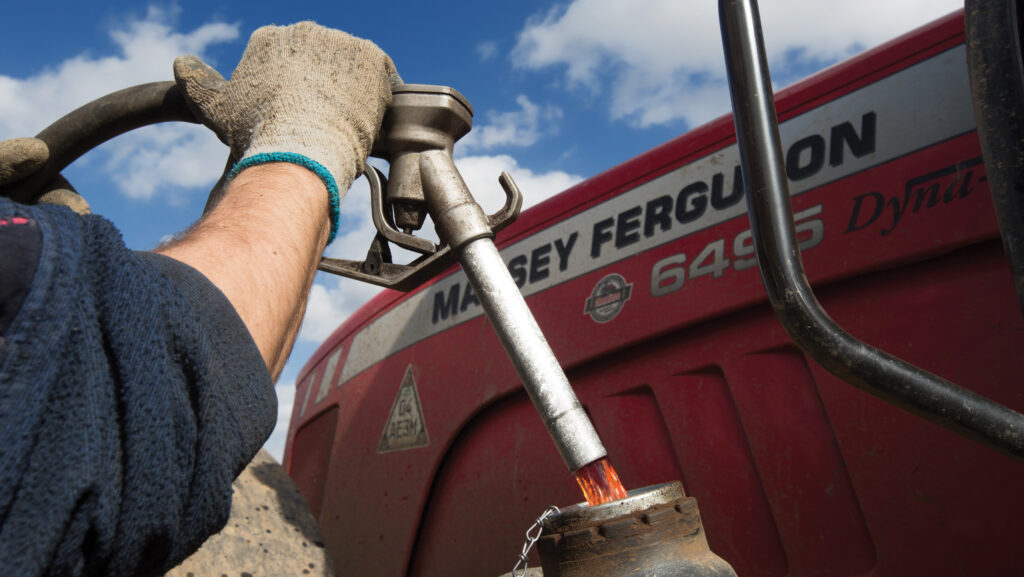 © Tim Scrivener
 Farmers in England could be forking out an additional £337m for red diesel over the next 12 months unless there is a swift end to the crisis in the Middle East and a significant downturn in the market.
The analysis has been undertaken by the Energy and Climate Intelligence Unit (ECIU), based on Defra figures for annual fuel use on farms in England and using a Farmers Weekly red diesel price for late March of 117p/litre.
A £337m cost increase would equate to a two-thirds jump in the overall fuel bill and compares with a total income from farming for England in 2024 of £5.3bn.
See also: Winter crops in positive condition, AHDB report confirms
ECIU farming analyst Tom Lancaster said: “This is the second oil and gas price shock that farmers have faced in just a few years, coming on top of two of the worst harvests on record.
“Although fertiliser prices have also soared, many farmers will have bought ahead, before the war in Iran began,” he added.
“The same will not necessarily be true of red diesel, with farmers reluctant to store the fuel for extended periods as it can degrade.”
‘Worst possible time’
NFU chief economist Jack Watts said the fuel crisis could not have come at a worst time given that spring is arriving and demand for red diesel is peaking.
“As this becomes a medium-term prospect rather than just a spike, our main concern would be what is happening in the arable sector because of the economic challenges already present,” he said.
“The conflict is going to make that worse because unlike the Ukraine war, when grain prices moved higher to mitigate some of the high costs, this time grain prices have hardly moved at all.”
The NFU estimates cereal growers use around 100 litres/ha of red diesel to grow a crop.
“We have around 2m hectares of combinable crops in this country, so it’s a fair cost brewing for the industry,” added Mr Watts.
Indicative of the volatility affecting fuel markets, global oil values actually slipped this week, with Brent crude dipping below $100/barrel (£75/barrel) on Wednesday 1 April when US president Donald Trump suggested the war with Iran could be over in “two to three weeks”.
But traders say oil prices are fluctuating “in line with whatever comes out of Donald Trump’s mouth”, and red diesel prices have been little moved at an average 117.7p/litre delivered on farm this week.
Steady shipments
Hannah Peregrine, senior fuels specialist at the AF Group, said: “Unless we get news of a peace deal soon, I think Brent crude may keep climbing.”
Overall, supply was not an issue, she added, with steady shipments of diesel and crude oil for refining coming in from the US and the Netherlands.
“If everyone sticks to their usual buying patterns, then we don’t see a shortage coming,” she said.
However, trader Duncan Lambert of Rix in Hull pointed to a loss of oil processing capacity at Grangemouth and Immingham, which had impacted local availability and contributed to the volatility.
“In 40 years of trading, I’ve never seen a market move so quickly,” he said.
Despite the anguish – and in a week which has seen some forecourts run dry of white diesel as motorists panic buy – the government insists there is no need for any kind of contingency, unlike in France, where farmers are enjoying a month of duty-free diesel.
Farmer comment
Tom Edmondson, a mixed farmer from near Milton Keynes in Buckinghamshire, said with extreme weather and repeated energy price shocks, he was now focused on “de-risking” his business by “farming with nature”.
“We’ve introduced cover crops to help fix nitrogen and reduce our fertiliser bill,” he said.
“Moving away from ploughing to a direct-drill system has also reduced our red diesel use from 14,000 litres a year to 5,000 litres,” he added.