Spike in red diesel prices as Middle East conflict continues
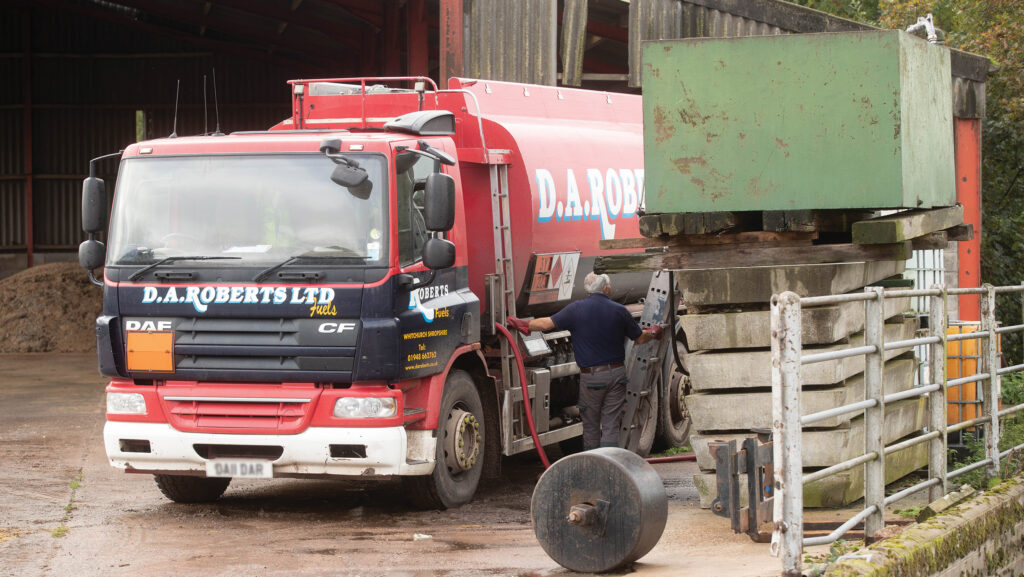 © Tim Scrivener
 Red diesel prices have soared into three-figure territory again, putting extra cost pressure on farmers and growers looking to run their machinery during the busy autumn period.
Two weeks ago, red diesel was ticking along at about 95-97p/litre – a level it has been at for much of the summer.
See also: Track our red diesel prices here
But last week it jumped to 105p/litre according to the Farmers Weekly average collected from farm suppliers across the country, and this week it was quoted at more than 107p/litre – up almost 70% on last year’s price.
This is despite the fact that in June, following pressure from the NFU, the Treasury cut duty on red diesel from 10.18p to 6.48p/litre, its lowest rate in 20 years.
The upturn reflects developments in the Middle East, with signs of the US-Iran conflict widening, including a recent attack by Houthi rebels based in Yemen on Saudi Arabian oilfields.
Brent crude oil prices soared to nearly $100/barrel (£74) this week, a level not seen since May.
With the Ukraine/Russia war also rumbling on and oil vessels being targeted in the Black Sea, the outlook remains volatile.
Roller coaster
“The past six months have been a roller coaster,” said Stuart Goodinson, general manager at Oxfordshire buying group Orion Farmers.
“The price is fluctuating daily, which takes some keeping up with – already this week it has gone up roughly 2%.”
At least traders are still quoting for red diesel, unlike earlier in the year when the war in the Middle East kicked off and some companies only offered pricing on delivery.
“The main difference we are noticing is how decisions are being made,” said Mr Goodinson.
“Our farmers are tracking fuel prices and seeking more information to better understand the market.
“Previously they would place orders ahead of busy periods, whereas now they are doing more planning, looking at workloads and ordering just in time.”
Cultivation strategy
The current price spike also is affecting cultivation strategy, Mr Goodinson added.
“Several farmers have been considering their machinery options – looking to reduce the number of passes and use machines that have less resistance and therefore use less diesel.”
Given the market volatility, such careful planning is one thing farmers can have some control over, he said.