Weekly fertiliser data gives farmers granular view of prices
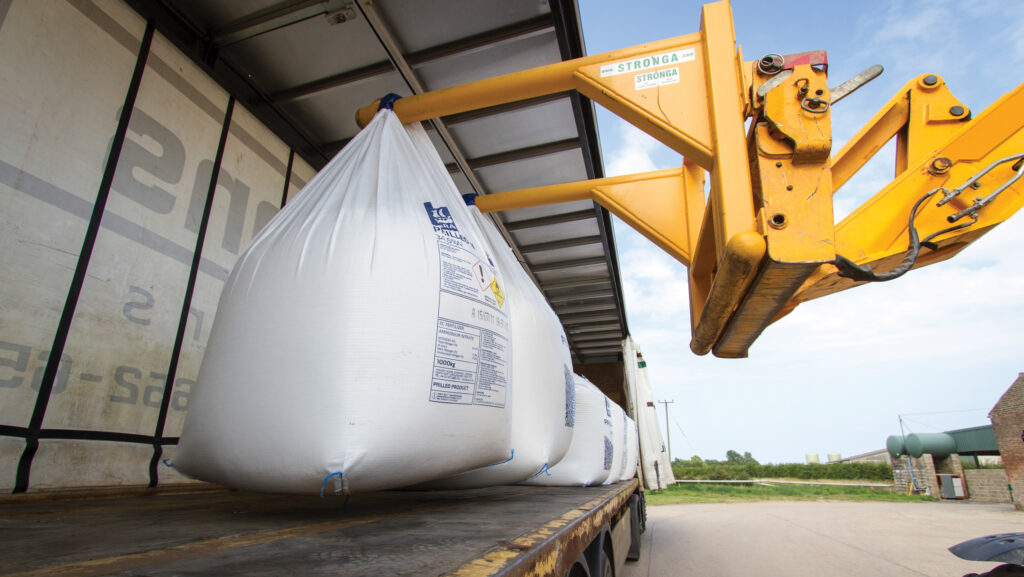 © GNP
© GNP The AHDB has started publishing weekly fertiliser price data following requests from Defra farming minister Angela Eagle and industry representatives.
The move comes amid disruption caused by the current crisis in the Gulf, which has triggered an energy price shock affecting global markets.
See also: Fertiliser buying advice as Iran conflict squeezes supplies
Rohit Kaushish, AHDB’s chief economist, said: “Given its importance to agricultural cost of production and the decisions being made by farmers in the months ahead, greater visibility on the fertiliser market is critical to help the sector to respond to the impacts of the conflict.”
AHDB already publishes fertiliser prices on a monthly basis, using a sample of volunteer information from merchants and grower groups.
However, weekly reporting will provide a more “granular” view on the market impacts, helping industry and policymakers respond to events as they develop, says Mr Kaushish.
Recent quotes
According to the first weekly update, 34.5% ammonium nitrate was valued at £504/t delivered on 20 March, with imported quoted at £522/t. Urea (46%N) was said to be worth £618/t.
“Fertiliser prices were already increasing in February 2026 due to growing tensions in the Middle East and an increase in fertiliser demand in response to weather conditions,” said the AHDB report.
“As a result of the conflict, since February, prices have increased between 13% and 36% across a range of products.”
According to Lucy Hassall, fertiliser manager at OpenField, prices have surged again, with urea now priced at over £640/t, while UK-produced AN ranges from £515-£525/t and imported lies between £525/t and £535/t.
“There is a bit of a range depending on the supplier,” said Ms Hassall.
“Some suppliers are withdrawing terms today, and we heard Egyptian urea traded at $800/t last Thursday [26 March], so we could see higher prices soon.”