Livestock decline puts UK meat supply chain at risk
 © Tim Scrivener
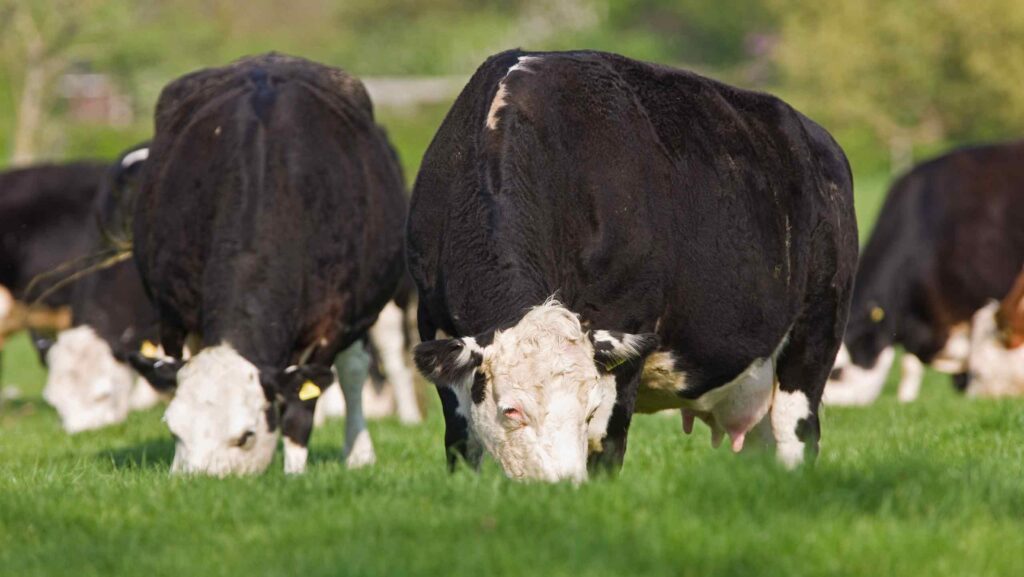
 England’s shrinking cattle and sheep populations risk weakening the wider livestock supply chain and increasing reliance on imported meat, processors have warned.
New Defra figures show cattle and calf numbers fell 1.5% year on year to 4.8 million in June, while the total female breeding herd declined 2.2% to 1.6 million.
See also: Export potential lifts pig market outlook
Within that, the beef breeding herd fell 1.8% to 559,000, continuing what Defra described as a “marked decrease” – a 14% drop since 2022, from 650,836 animals.
Sheep numbers also fell 2% to 13 million, while the female breeding flock contracted 3.7% to 6.2 million – down from more than 7 million in 2022.
Pig numbers bucked the trend, rising 3.4% to 3.8 million.
Processing uncertainty
British Meat Processors Association (BMPA) chief executive John Powell said the industry was “very concerned” about the continuing decline, particularly in suckler cow numbers.
Processors were already experiencing uncertainty over livestock availability, affecting procurement, throughput and supplies of British meat, he said.
“Processors rely on a sufficiently large domestic livestock base to maintain a viable supply chain and, as numbers fall, that threatens not just abattoirs, but the wider network of farms, marts, vets, hauliers and other businesses that depend on livestock production.”
He warned the decline could increase reliance on imported meat and leave the UK more exposed to international supply-chain disruption. Without action, he said, continued contraction could become an “existential challenge” for farmers and processors.
Dairy decline
The figures follow contraction in dairy, with the AHDB reporting the GB milking herd fell 2.2% to a record-low 1.57 million head in the year to July.
AHDB head of economics and analysis David Swales said dairy female births had consistently fallen since early 2023, as favourable dairy-beef economics and improved sexed semen technology reduced the number of replacement heifers being born.
However, productivity gains have offset the smaller herd, with GB milk production rising 3% to 12.9bn litres.
Beef outlook
AHDB’s long-term beef 2030 baseline forecast anticipates a 6% fall in production, driven by contraction of the suckler herd.
Mr Swales said farm profitability remained the key challenge, with reduced direct payments making livestock businesses increasingly reliant on market returns.
Strong beef prices supported profitability in 2025, but weaker prices would limit herd rebuilding.
Food security
The government has said food security is a “core national priority”, with domestic production helping supplies withstand disruption.
Mr Powell said a resilient food system required both a strong domestic production base and sufficient processing capacity.
The BMPA called for both to be treated as national strategic priorities.
A Defra spokesman said livestock farmers faced “real pressures”, but government was focused on building a “productive, profitable and resilient sector”.
“We’re backing farmers with support through our farming schemes, investment in new technology and equipment, and measures to improve animal health and welfare,” the spokesman added.