Beef prices to remain supported in 2027 as herd contracts
 © Tim Scrivener
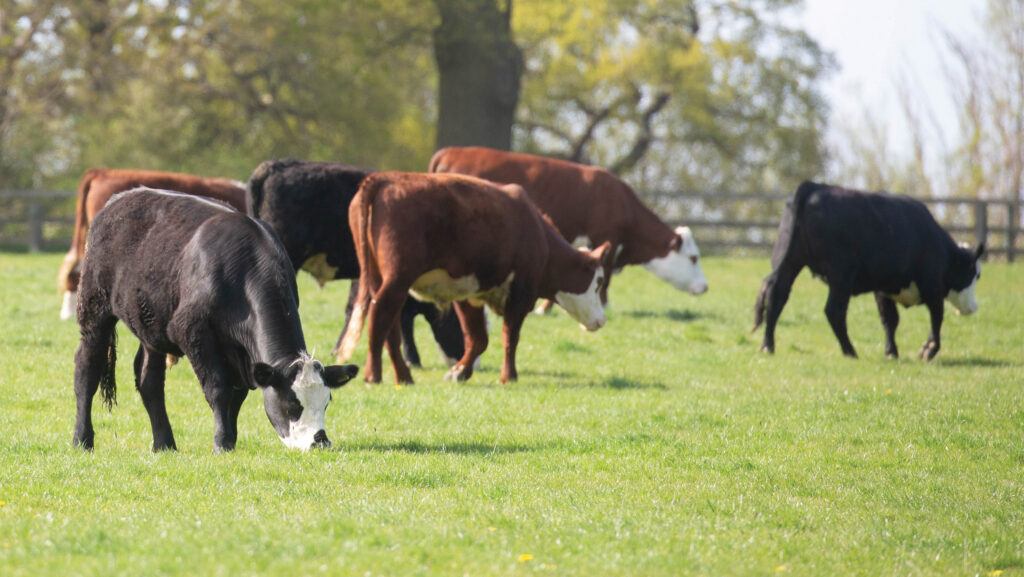
Tight supplies are expected to continue to support cattle prices for the rest of 2026 and into next year, though subdued consumer demand and a changing import mix may limit any further upside.
Latest estimates from the AHDB, set out in its Beef Market Outlook report, suggest beef production will reach 904,000t in 2026, up 1% on 2025, as heavier carcasses offset lower cattle throughputs.
However, production is expected to fall to 896,000t next year, with the number of prime cattle slaughtered dropping 0.9% to 1.98 million head.
The AHDB report says tighter availability will keep prices elevated compared with the five-year average.
However, subdued demand and changes in the volume and type of imported beef could weigh on the market in future.
See also: Food consortium seeks targeted support for local abattoirs
Spending more
Looking at consumption, the report notes that higher retail prices are already restricting the volumes bought by shoppers, “particularly in more premium cuts, which weighs on price growth at the farmgate”.
“For 2027, we expect consumer confidence to remain muted,” it says. “Rising food inflation and energy costs will add pressure to household incomes.
“Consumers are likely to make careful spending decisions focusing on getting the best value for money.”
Imports
But it is trade that is likely to have the bigger effect on beef markets.
In just the first seven months of this year, beef imports increased by 2.4% in volume to 178,000t, climbing more than 10% year on year in value terms to £1.29bn.
The AHDB forecasts that imports will push on in the second half of the year to end 3% ahead of 2025, encouraged by the widening price gap between British and Irish beef.
Brazil is another supplier to watch following its loss of access to the EU for the remainder of 2026.
“Imports from Australia and New Zealand also remain key watchpoints, particularly as access to the UK market increases under the free-trade agreements,” says the report.
“Changes to global trade flows, such as China’s safeguards measures, the EU’s ban on Brazilian beef and changes to US tariffs, have the potential to increase or decrease the amount of beef on the global market, and in turn the volume and mix of product coming into the UK.”
Bluetongue risk
Another “known unknown” is the possible effect of bluetongue disease, which has been ravaging flocks and herds in parts of the country since July.
AHDB modelling suggests the disease could reduce calf numbers by 14,000, or 3.1%, in 2027 due to the loss of fertility in herds that do contract the disease.
While this does not materially change the beef production forecast for 2027, the full effects on prime cattle slaughter could become more apparent in 2029, when those calves are finished.
However, the report stresses that the impact remains uncertain and will depend partly on disease spread as well as on vaccination uptake.