Breeding sheep set new records at Thame summer sale
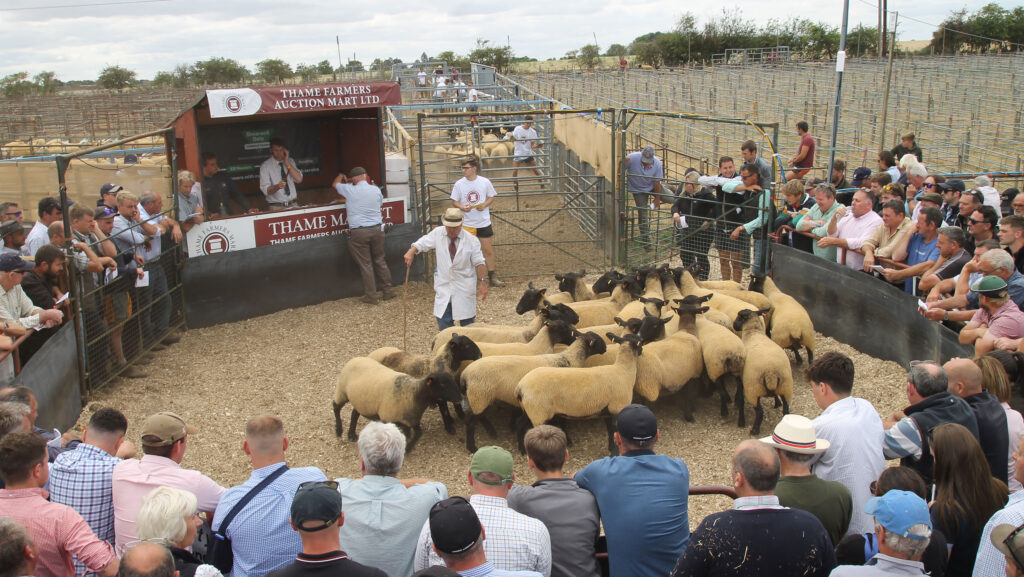 Suffolk X Theaves were in strong demand thanks to their early lambing potential and strong cull ewe potential © MAG/Phil Clarke
 Breeding sheep enjoyed an exceptionally firm trade at the recent Thame Summer Sheep Fair, despite ongoing challenges presented by grass shortages and bluetongue disease.
The event, sponsored by Shearwell Data, saw some 14,674 sheep sold – a 95% clearance – for an overall average of £220/head, ensuring a new record turnover for the event of more than £3.3m.
That average compared with £188/head last year.
See also: Photos as the Thame Sheep Fair pulls in the crowds
“Prices are £30-£40 a head up on last year – perhaps not as much as we thought they might be, but the local buyers have got nothing in the way of grass to put them on,” said senior auctioneer Simon Draper.
“Having said that, the high finished lamb price is still driving higher prices for breeding stock. Some buyers will already have sold this year’s new-season lambs and seen good prices.”
Suffolk cross theaves, for example, achieved an average return of £269/head, compared with £218/head last year, and sold to a top price of £330/head for a consignment from Rob and Caroline Mole from Chearsley, Buckinghamshire.
Meanwhile, North Country Mule theaves averaged £281/head compared with £208/head a year ago, while Texel Cheviot cross theaves averaged £300/head, selling to a top price of £320/head.
The overall top price on the day was £365/head, paid for a group of 10 pure Texel theaves from JA Shaw and Partners from Lilley, Bedfordsire.
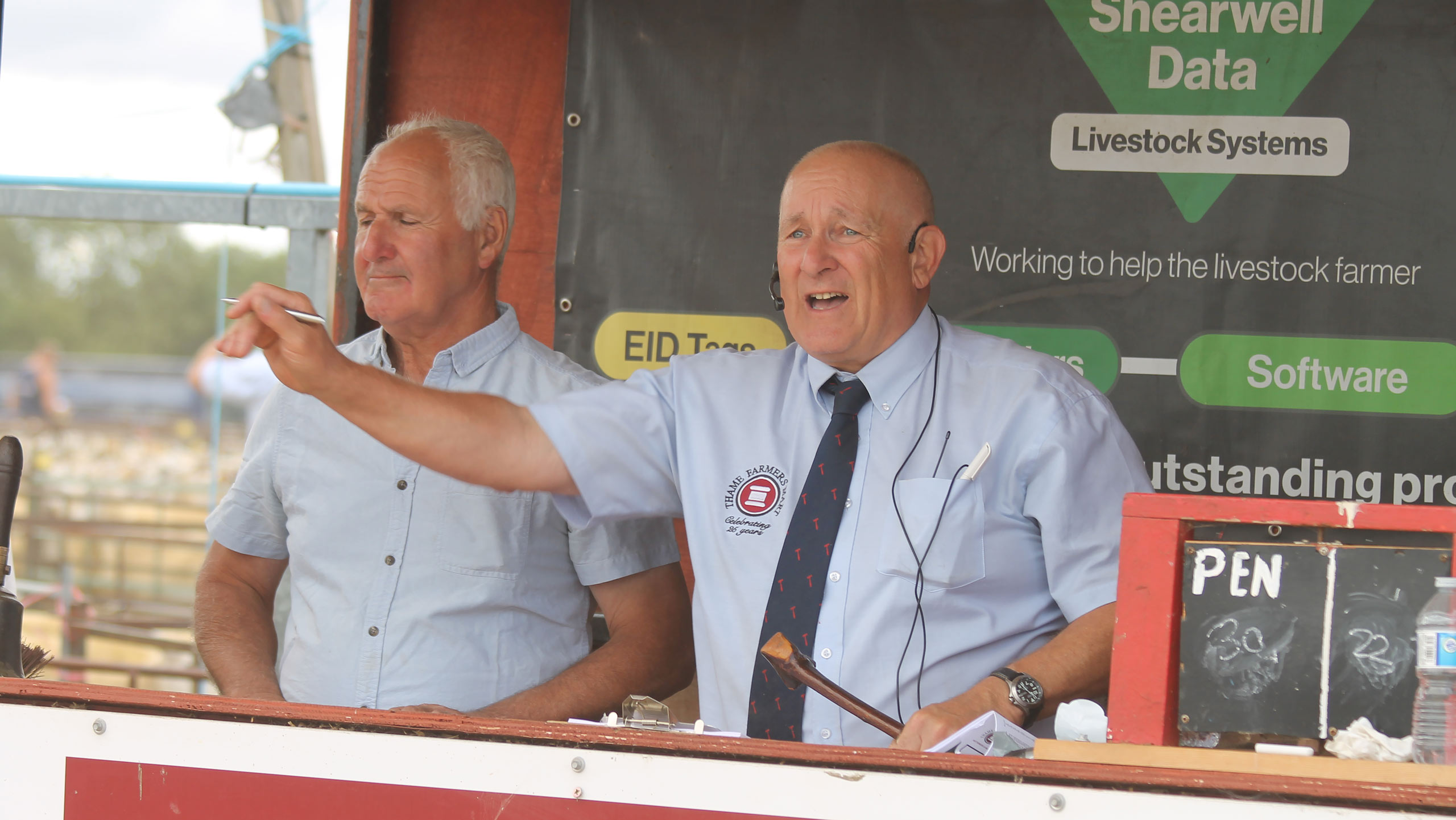
Senior auctioneer Simon Draper was conducting his last Thame Sheep Fair before retiring © MAG/Philip Clarke
Pleasing performance
Another farmer pleased with the price achieved was Michael Cross, who runs a flock of 650 Cheviot ewes which are put to Texel rams at Westbury Farm near Bicester, Oxfordshire.
He sold six pens of 25 Texel Cheviot cross mules for £305/head – about £50 a head more than last year.
“I’m pleased with the price, though we thought we might even get a bit more as some of the earliest breeding sales in July were a bit higher,” he told Farmers Weekly.
“However, the lack of grass and the drop in fat lamb prices over the past week or so has taken the edge off. We were budgeting on £300 a head, so are happy to be topping that.”
Local buyers
According to Mr Draper, there were plenty of local buyers, but with good representation from Cheshire and the South West, too.
“We’ve had a few back from Wales after they stayed away last year due to the bluetongue movement restrictions at the time.
“We are not seeing any particular premium for bluetongue vaccinated sheep as yet, though we are not in what is considered a high-risk area at the moment.
“There will be plenty of sheep here that have had no vaccines at all, as some producers are just happy to chance their luck.”