Steady pig prices reflect sector challenges
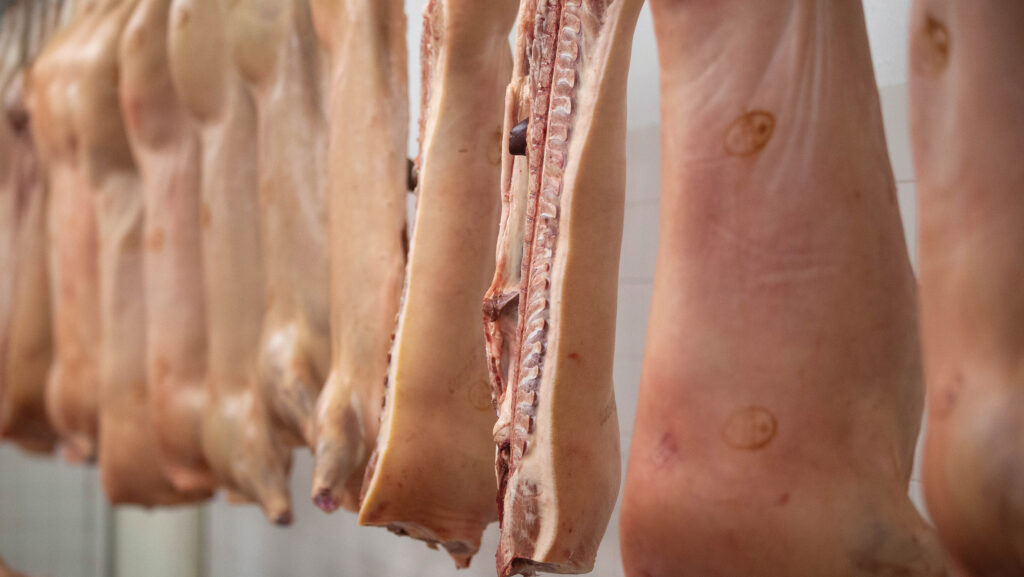 © Tim Scrivener
 Four weeks of consecutive increase in the GB EU-spec Standard Pig Price (SPP) ended in the week to 26 September, with prices dropping from 180.84p/kg deadweight to 180.25p/kg dw.
As such, prices remain around 25p/kg below the same period last year, with an increasing throughput of pigs creating an imbalance between supply and demand.
GB slaughterings were up 300 for the week ending 19 September, to 171,000 head.
See also: Find all our market prices in one place
The steadying of prices reflects the difficult time facing the sector, said Alistair Driver, editor of Farmers Weekly’s sister magazine Pig World.
“A combination of low prices, high costs and the fact that many producers are coming to an end of their contracts, having been given notice earlier this year, mean that the domestic pig sector faces a triple challenge,” he explained.
“The recent increase in SPP has masked a great variation in prices, with some producers out of contract receiving prices as low as 130p/kg,” he added.
“The next two months will also see a further increase in pig numbers on the market as contracts end, which will likely negatively affect prices further.”
European picture
Lower EU markets also continue to hold back those in GB. European finished pig prices have strengthened in recent weeks, although the pace of recovery slowed in the week ending 13 September.
The EU Grade S reference price stood at 148.13p/kg dw equivalent, down 0.24p/kg on the previous week, the first decline in seven weeks.
European prices have gained about 6p/kg over the past four weeks but remain 27.5p/kg below last year.
The recovery has, though, narrowed the gap between EU and UK prices to just under 38p, its smallest since early September 2025.
“Tighter short-term supply following the summer heatwaves across Europe appears to have supported the recovery, as high temperatures reduce feed intake and growth rates,” said Adam Chowdry, market analyst at the AHDB.
“This has been most apparent in Germany and Spain. The return to normal trade after the holiday period has also supported demand.”