Tight supplies keep lamb trade above £7/kg
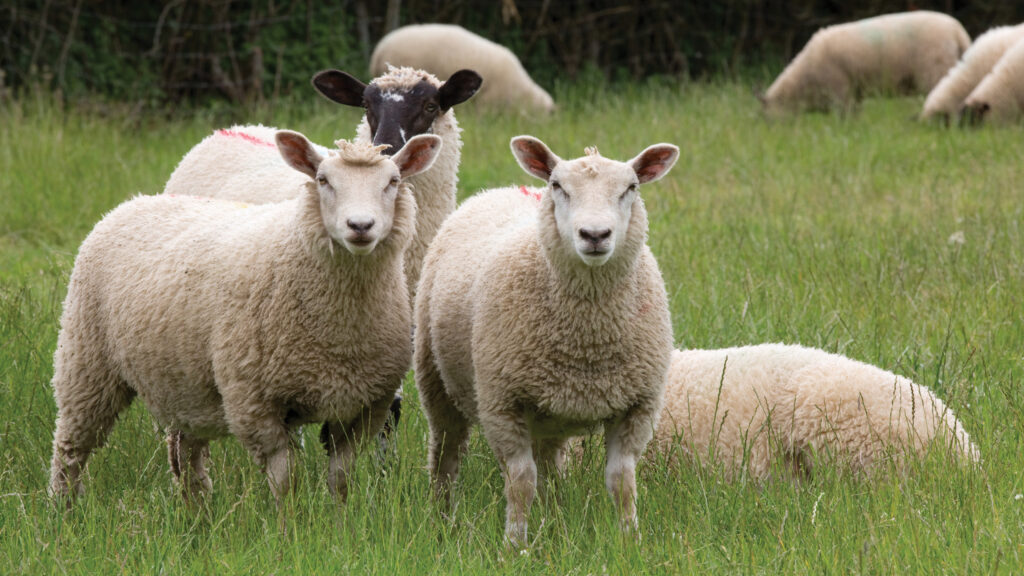 © Tim Scrivener
 A shortage of lambs coming forward at livestock markets and abattoirs has helped the trade get off to a strong start in 2026.
The GB deadweight SQQ lifted to 721p/kg for the week ending 3 January, having climbed up by almost 60p/kg in the past two months.
Buyers appear keen to get hold of stock after a few shorter killing weeks over the Christmas period and into the new year.
See also: UK beef and sheep numbers contract while prices hold up
Liveweight averages at auction markets in England and Wales are also up on the year at 342.5p/kg.
Auctioneers have observed an especially strong trade for leaner export grade lambs but say there is also still a market for heavier finished stock.
Analysts at Welsh red meat levy body Hybu Cig Cymru (HCC) – Meat Promotion Wales say lamb performed strongly at retail over the festive period, providing some further support to prices.
Cull ewes have been returning roughly £150 a head, while store lambs have been in the region of £110 to £120 a head.
Fewer lambs
Estimated weekly sheep slaughter stood at 180,500 head in early January, a 7% fall compared with the same week last year, reflecting a longer-term trend of tighter supplies and lower lamb throughputs throughout the second half of 2025.
Tom Spencer, analyst at the AHDB, determined that a smaller lamb crop and tighter year-on-year supplies were likely contributing to the continued resilience in lamb prices.
He added: “Moving forward, the scale and timing of carryover supplies will be a key factor shaping market dynamics through the spring.”
Carcass classification
Defra introduced new rules mandating classification and price reporting for sheep carcasses in England from 12 January, to improve consistency and transparency in pricing for livestock producers.
Abattoirs processing more than 2,000 sheep a week will be required to submit carcass prices, classification and weights to the AHDB, while smaller processors will be able to voluntarily register for the scheme.
Defra farming minister Dame Angela Eagle said: “British lamb is rightly recognised worldwide for its exceptional flavour and production standards – and supply chain fairness is vital to ensure farmers and processors are properly rewarded for the quality food they produce.
“By ensuring a fair and transparent sheep market, we’re backing British producers, strengthening our food security and supporting a resilient future for the sector.”
Phil Stocker, chief executive of the National Sheep Association, welcomed the new regulations coming into force.
He said: “It’s a helpful step to simplify and give more clarity to sheep farmers over deadweight price comparisons between processors.
“It also means that for all but the smallest abattoirs we will now see sheep carcass grading come under the control of the RPA (Rural Payments Agency), bringing us in line with cattle grading.
“Both these improvements further ambitions to create better transparency and trust through the supply chain.
“Farmers selling live through marts won’t be directly affected and we are in a better place with choices and greater transparency in how we choose to sell our lambs.”
NFU Livestock Board chair David Barton said: “This regulation for the sheep sector has been a long time coming, and it’s a huge positive for sheep farmers up and down the country.
“The move to mandatory sheep carcass classification, standardising dressing specifications, weighing carcasses to 0.1 kg and price reporting for larger abattoirs will bring much-needed transparency and fairness to the sector, benefiting farmers, processors and customers across the wider supply chain.
“The RPA’s role in licensing and auditing will also be vital for the scheme’s success.”
Regulations have also been introduced in Scotland this week, while Wales and Northern Ireland are due to introduce similar measures in the coming months.