UK beef and sheep numbers contract at worrying rate
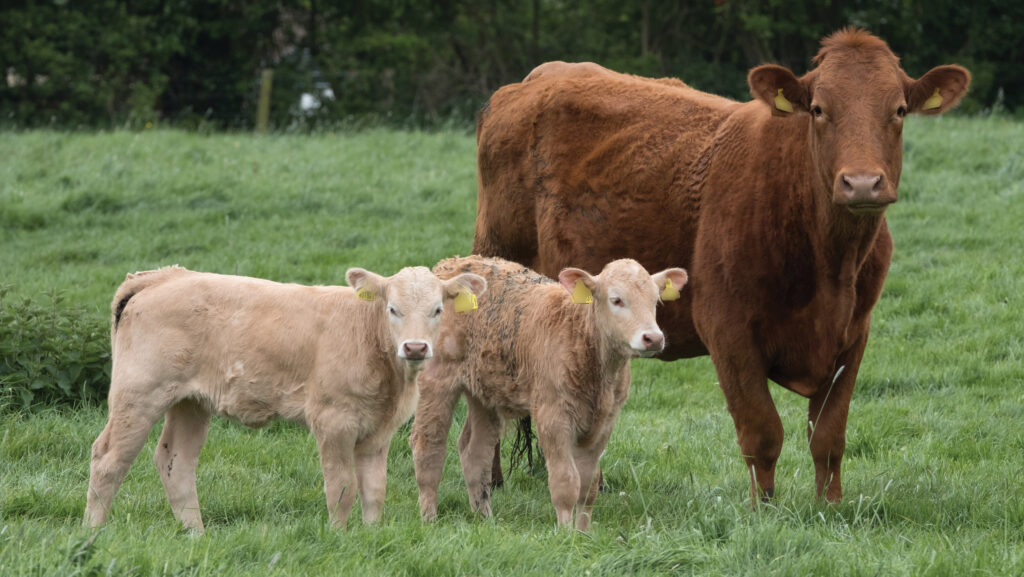 © Tim Scrivener
 The UK’s beef suckler herd has declined by 20% in the past decade, with 313,000 fewer breeding beef cows on farm than in 2015.
This worrying trend has continued in the past year, with Defra livestock figures for December 2025 showing the total beef breeding herd declined by 3.1% year on year to 1.24m head.
Meanwhile, the dairy herd declined by 0.8% to 1.85m head, due to increased culling of dairy cows in response to low farmgate milk prices.
See also: Dairy accounts for growing share of cull cow market
The total number of cattle and calves dropped by 1.1% in December on year-earlier levels, to stand at 9.05m head.
Tight supplies have kept finished prices elevated with GB deadweight steers averaging 635p/kg in mid-April.
Glesni Phillips, analyst at Hybu Cig Cymru (HCC) – Meat Promotion Wales, said: “Tightening breeding herd numbers continue to point towards constrained cattle supplies in the medium term, despite some improvement in younger stock driven by dairy-beef production.
“While this may lend underlying support to prices, weaker consumer demand remains a key factor.
“Market direction will depend on whether reduced supply can outweigh demand pressures, with producer confidence and retention decisions playing a crucial role in shaping future availability.”
The National Beef Association has warned that tens of thousands of additional suckler cows would be needed in order for the UK to retain its current share of the domestic beef market.
Cattle between one and two years of age were down by almost 32,000 head on the year across both sexes.
Becky Smith, senior livestock analyst at the AHDB, said: “This reflects the tightness in supply that has supported cattle prices at elevated levels in recent months.”
Meanwhile, stock aged under one year old was up marginally year on year.
Drive to increase numbers
Industry campaigns such as Great British Beef Week (which gets under way next week) and Quality Meat Scotland’s Meating Our Potential have highlighted the benefits of reversing the trend and increasing domestic beef production.
NFU Livestock Board chairman David Barton said: “Livestock farmers across the country produce sustainable British beef to some of the highest welfare and environmental standards in the world.
“Great British Beef Week gives us the perfect opportunity to celebrate a fantastic nutritious meat and showcase the product to the public who can show their support by backing British farming.”
Sheep supplies
Sheep numbers are also in decline, with the UK female breeding flock falling by almost 100,000 head year on year to 13m head in December.
The total number of sheep and lambs eased back by 2.1% overall during 2025 to stand at 20.4m head in December.
Ms Smith added: “We’d expect contraction in the breeding flock in December to continue to limit lamb numbers for the 2026 lambing season. However, the conditions through the spring will be a key influence on rearing rates and, by extension, sheep supplies for the coming year.”
QMS figures show that UK sheepmeat export volumes increased by 9% last year, despite higher prices, which analysts say highlights the strength of export demand, particularly from France and Belgium.
The numbers
20% Decline in UK’s beef suckler herd since 2015
635p/kg GB deadweight steer average in mid-April
13m head Total UK female breeding flock in December 2025