Farmers told prepare now for next £225m Capital Grants scheme
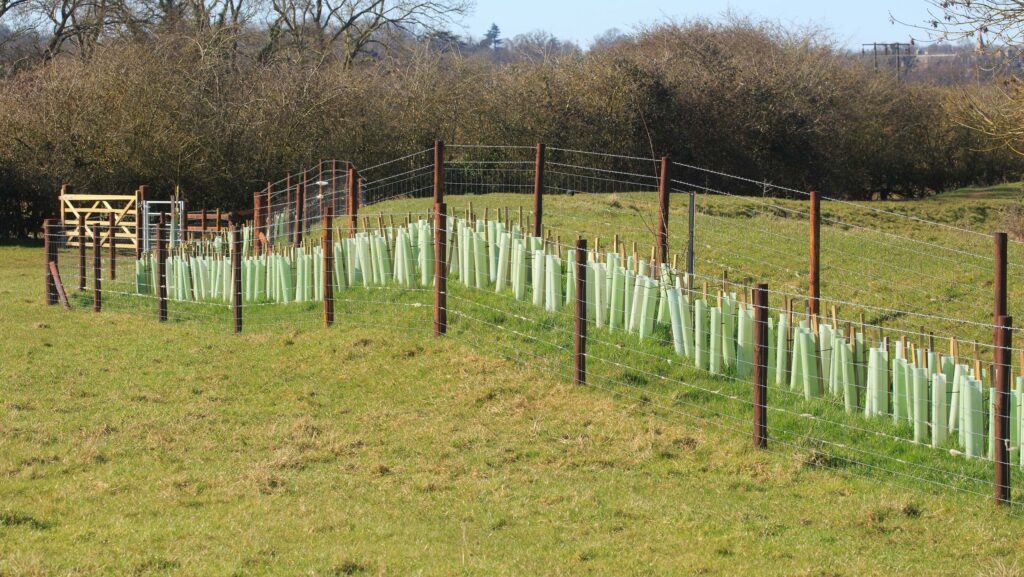 © Tim Scrivener
 Farmers are being urged to start preparing now if they intend to apply for Defra’s new round of Capital Grants in England when the scheme reopens this summer, with demand expected to exceed the funds available.
The advice, from land agent Strutt & Parker, follows the publication of a new blog post from Defra on Thursday (19 March), which confirms that guidance notes and payment rates for the various items covered will be made public in May, with the scheme opening in July.
See also: Farmers advised to act fast on FETF 2026 scheme
The Capital Grants scheme will be worth £225m in 2026 (up from £150m last year) and will provide one-off grants for items or works which improve air and water quality, support natural flood management, and restore hedges and walls.
Last year the funding ran out less than a month after the opening of the application window, and strong interest is expected again this year.
As an early warning for when the scheme may close this time, ministers have said updates will be issued when uptake reaches 25%, 50% and 75% of the allocated budget.
Get ready now
Strutt & Parker consultant Rob Wilkinson said: “We are assuming the list of items available will be broadly similar to previous years, so our advice is to prepare early, so you’re ready to submit as soon as the window opens in July.
Preparation involves checking that the business information and mapping details held by the Rural Payments Agency is up to date, he says.
It is also important to take the time to review cashflows and weigh up the likely returns before committing to an application.
“Businesses will need to fund the full cost of any works up front, with the grant paid retrospectively,” said Mr Wilkinson.
“It is therefore vital to ensure the figures stack up and that any investment supports your longer-term strategy.”
As in previous years, some items require support from the local Catchment Sensitive Farming Officer (CSFO) before making an application.
These include concrete yard renewal, hardcore tracks, self-supporting slurry store covers, sprayer load and washdown areas, and the roofing of silage clamps, collecting yards, muck heaps and slurry stores.
“Booking a visit from a CSFO at this point may be difficult, but it is always worth a try,” said Mr Wilkinson.
Supporting evidence
The importance of providing the correct supporting evidence is emphasised by Defra.
“This year, we are placing greater emphasis on receiving it upfront so we can assess applications more quickly and fairly, and make the best use of the available funding,” said a statement.
“Last year, a high number of applications required follow-up for missing evidence. This led to additional chasing, slower decisions, and in some cases, applications being rejected.”
What is covered and how much is it worth?
The list of items available through the Capital Grants scheme will be organised into the following six groups:
- Boundaries, trees and orchards
- Water quality
- Air quality
- Natural flood management
- Assessments
- Improvements
There will be a £25,000 funding limits for the water quality, air quality, and natural flood management groups, and a £35,000 limit for the boundaries, trees and orchards group.
As in 2025, farmers can submit one application for each Single Business Identifier they manage.
Each application can include items from these groups up to the limit, plus items from the assessments or improvements group.