Scottish cattle herd edges higher after five years of decline
 © Jim Allan/Alamy Stock Photo
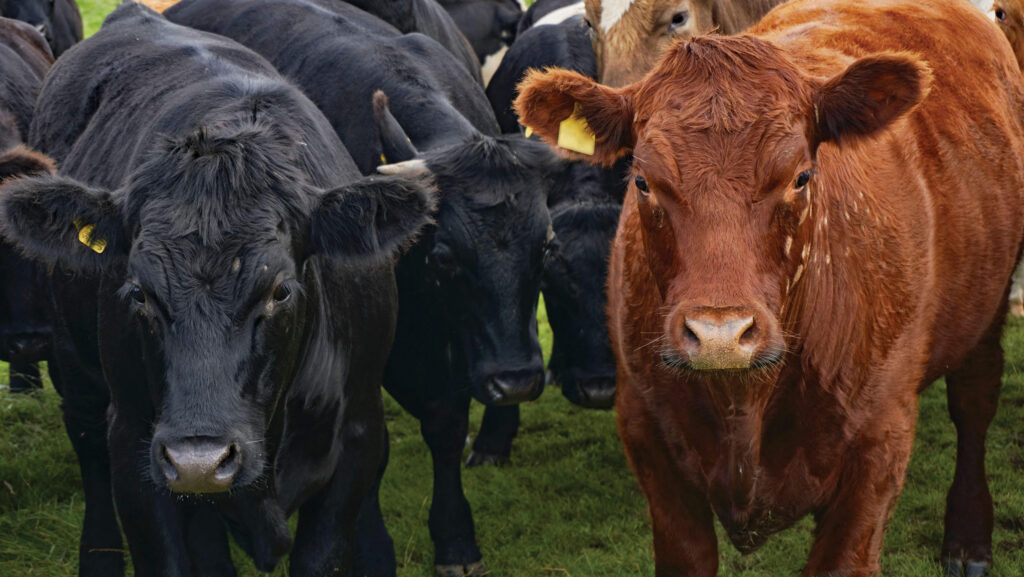
 Scotland’s cattle herd has increased for the first time since 2021, providing a tentative sign of stabilisation for the livestock sector after years of decline.
The June Agricultural Census 2026 recorded 1.67m cattle, up 0.7% on the previous year, although numbers remain 1.3% below the five-year average.
See also: Scottish ag census reveals worrying fall in livestock numbers
Increases in male cattle, female beef cattle and calves offset a decline in female dairy cattle, while pig numbers also rose for the first time since 2022, increasing 4.9% to 327,700, although this was 1.2% below the five-year average.
The figures come amid debate over the role of livestock farming in meeting Scotland’s environmental targets.
Agriculture minister Jim Fairlie stressed that the route to net zero depended on supporting livestock farming rather than reducing its scale.
“I am clear that the pathway to net zero lies in supporting a thriving livestock sector as part of the solution to reducing emissions and restoring nature,” he said.
Mr Fairlie added that Scottish farmers and crofters could produce food while cutting emissions and working with nature, highlighting the importance of domestic production to food security and reducing the carbon footprint of supermarket supplies.
Cautious optimism – QMS
Quality Meat Scotland chief executive Sarah Millar described the cattle figures as “cautious but genuine grounds for optimism”, pointing to a second consecutive increase in the calf crop and continuing productivity gains.
“The first year-on-year increase in Scotland’s cattle numbers since 2015, even at a modest 0.1%, suggests the national herd is beginning to stabilise,” she added.
However, Ms Millar warned that Scotland had 40,000 fewer cows than in 2021, with input-cost inflation and sustained pressure on profitability weighing heavily on the sector.
The recovery is also uneven. Sheep numbers fell 0.5% year-on-year to 6.50m, standing 2.2% below the five-year average, while poultry numbers dropped 4.4% to 11.88 million.
Although pig numbers increased, Ms Millar warned that a surge in sow slaughter over the summer pointed to a significant contraction in the herd over the coming year amid difficult domestic and international market conditions.
Soft fruit area decline
Elsewhere, Scotland’s soft fruit growing area fell to 1,800ha, its lowest level since 2015 and 10% below the five-year average. Strawberry acreage was down 19% against the five-year average.
Liberal Democrat MSP Willie Rennie blamed rising energy costs, labour shortages and bureaucracy for undermining fruit growers’ viability.
For cereals, the winter crop area (wheat, winter barley and winter oats) rose 6.9% above the five-year average, while spring crops (spring barley and spring oats) fell 16%, driven by a 17% decline in spring barley compared with the five-year average.
The census also recorded a 1% annual decline in Scotland’s agricultural workforce, with 66,100 people working on agricultural holdings.