Weather spurs demand for milk, meat and hay
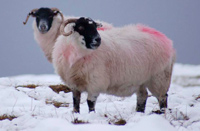
The north of England continues to suffer under the grip of the intense icy weather conditions. Snow is still lying several feet deep in parts of the north east, and with temperatures falling to at least minus 15 degrees overnight farmers are being stretched on all fronts.
Hexham-based dairy farmer David Baynes, who runs the Marleycote herd of Dairy Shorthorns and Ayrshires, was coping with the after-effects of an overnight frost he described as “horrific” when he spoke to Farmers Weekly on Friday morning. Working with sons Richard and Paul the farm now operates a successful milk processing and retailing business, but the intense cold created major problems for electrical equipment – including the milking robots.
“We recorded an overnight temperature of almost minus 10 degrees and paid the price. The robots were seizing up in between each cow going through and the generator we use in the bottling plant stopped working,” David says.
Although the family’s milk sales to pubs, restaurants and hotels have been hit, village shops have been “screaming” for supplies. “We’ve been using a four-wheeled drive pick-up to get to some of our most remote customers in areas like Otterburn; we’ve always managed to get through.”
Tony Thompson, manager at Thirsk Farmers Auction Mart in north Yorkshire, had been pleasantly surprised by the stock numbers forward at the market’s weekly primestock sale on Thursday – and it resulted in a big lift in prime cattle prices.
“We had 232 prime cattle in the market, which was better than I expected, and prices were up 20p a kilo – that’s an excellent trade even though there were a few higher prices paid for the Christmas show winners.
“Most buyers managed to get here and there was clearly a need to buy stock to be ready for sale in the week before Christmas,” said Mr Thompson.
Lamb trade at many markets has been exceptionally strong this week, with prices up by around 15p a kilo. Although numbers have been slightly down at some centres, most finishers who have been able to move stock have been keen to get lambs off the farm as soon as possible to avoid on-going feed costs and the risk of more bad weather hampering marketings next week.
Milk collections across the north haven’t been badly affected, although farmers’ requests for grit to help tanker drivers gain access along unmade lanes have been met with a cool reception in some areas.
Hay and straw supplies are not yet as short as some have suggested, according to well-known merchant Mervyn Close of Bowes, near Barnard Castle.
Based in the heart of one of the north east’s hardest-hit snow-bound areas, Mr Close said there was still plenty of straw on offer – £45 for wheat and £65 for barley – and there was hay at around £100 a tonne.
Although some say demand will increase in the early part of the new year if current stocks of hay and silage become severely depleted, Mr Close remains confident there’s no need to panic.
“A lot will depend on how much is needed in the coming months, but at the moment there’s hay and straw available – but that’s not to say we aren’t having our share of problems getting onto some farms that are still in the grip of the ice and snow.”