Farming clubs help rural pupils build skills and confidence
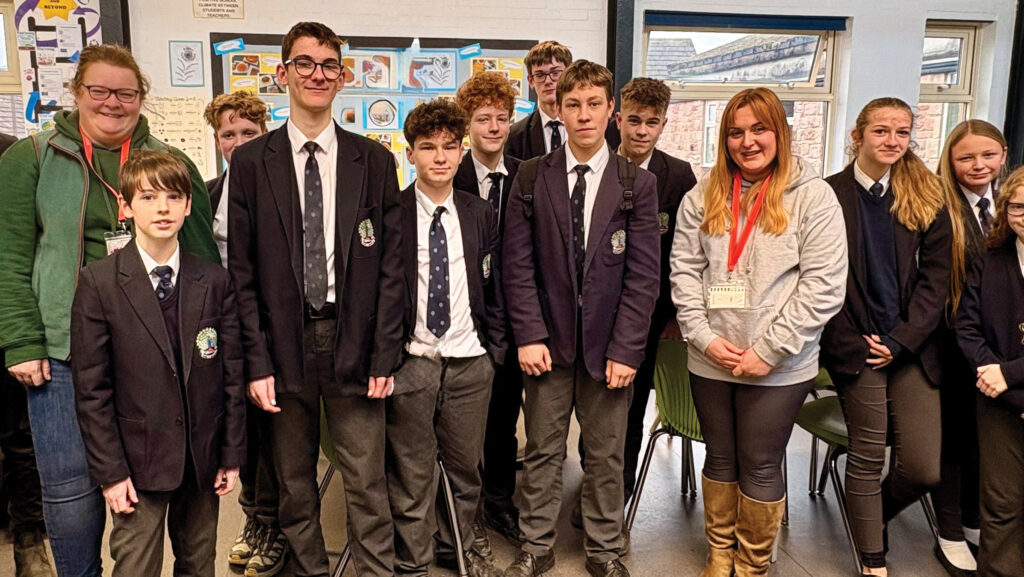 Lady Manners School farming club © Lady Manners School
 Weekly lunchtime farming clubs are helping pupils across the Peak District develop practical skills, explore agricultural careers and feel more confident about their rural identity.
Run by the Farming Life Centre, the sessions take place for three secondary schools and are open to 11- to 16-year-olds.
About 90-95 pupils now attend, including those from farming families and others interested in agriculture who may not otherwise have access to it.
See also: Farm visits open children’s eyes to rural opportunities
Funded through the Farming in Protected Landscapes (FiPL) programme, the initiative builds on earlier support from a UK government mental health scheme.
Organisers say the clubs respond to pressures faced by rural pupils, particularly those balancing schoolwork with responsibilities on the farm.
Chloe Redfern, activities co-ordinator for children and young people at the Farming Life Centre, says: “There’s so much pressure on being academic and getting the right grades.
“A lot of farming kids could have done half a day’s work before they get into the school and with this club, we’re giving those kids a place to be themselves.”
She adds that some pupils feel reluctant to share their farming background.
“We’ve had children who have never admitted to any of their peers that they’re off a farm until they have reached three years down the line at secondary school.”
Chloe also highlights the importance of encouraging pupils to think about the future of their businesses.
Industry insight
The voluntary, hour-long sessions combine hands-on activities with industry insight.
Pupils take part in tasks such as dry-stone walling and knot tying, alongside farm visits and talks from agricultural professionals.
“We’ve also had people speak who have diversified their business, for example, to produce ice cream, and the children have heard from people who farmed in New Zealand and America.
“This is to show them that you can work on your farm, but the world is changing,” says Chloe.
Environmental topics, including wildlife management and sustainable farming practices, are also covered.
Feeling valued
At Lady Manners School in Bakewell, where about 20% of the 1,400 pupils come from farming backgrounds, staff say the club has become an important part of school life.
Hayley Bontoft, director of learning for computing and technology, says: “I started a farming club here about two years ago, and we run two sessions a week.
“Farming is a real feature at our school and these clubs make our pupils feel valued and important.”
Year 9 pupil Eddie Robinson, whose family farms dairy, says the sessions have broadened his outlook. “Farming club makes a lot of people more aware of farming and opportunities for careers after school.
“It shows me things that we could be doing at home and ideas I can take back home.”
Organisers say the clubs aim to widen career awareness for both farming and non-farming pupils and alongside careers guidance, the sessions are also seen as supporting wellbeing and peer connections among rural young people.
The Farming Life Centre is now looking to expand the programme to more schools across the Peak District, particularly those serving farming communities.
Case study: Hope Valley College
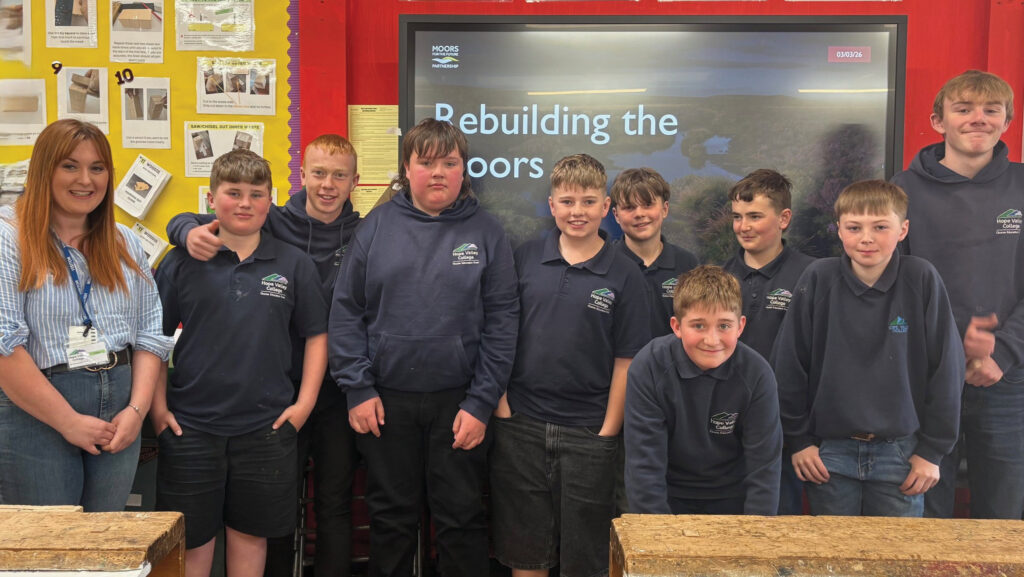
Pupils at Hope Valley College farming club © Hope Valley College
Hope Valley College deputy head Richard Beeden says its farming club has helped pupils feel more connected and supported.
About 30 of the school’s 500 pupils attend the sessions, which are aimed at young people from farming backgrounds or with an interest in agriculture.
“We have tried different ways to support our farming community at school over the years, but this club has really worked for them and created relevant connections,” he says.
“The club provides a great learning space and, with the speakers we have had, it has helped to show pupils what else is out there.”
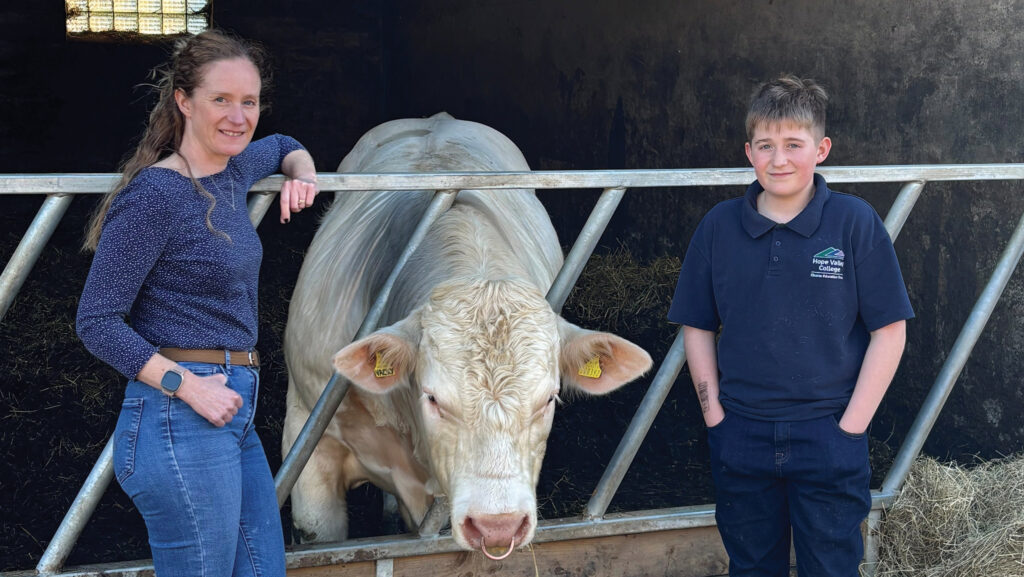
Victoria Elliott with son William
For parents, the benefits are also clear. Victoria Elliott says her 11-year-old son William, who joined the school last September, has gained confidence and a stronger interest in farming.
“Will went to a small primary school where his friends weren’t from farming backgrounds, and we weren’t sure if he wanted to farm,” she said.
“Now we’ve seen a real change. He has made friends who also farm, they go to YFC together and have things in common.”
Richard says the school now hopes to expand the initiative. “We want to grow this club and develop it into a hub that other schools can use,” he adds.