Farming gave me purpose again, says former Royal Marine
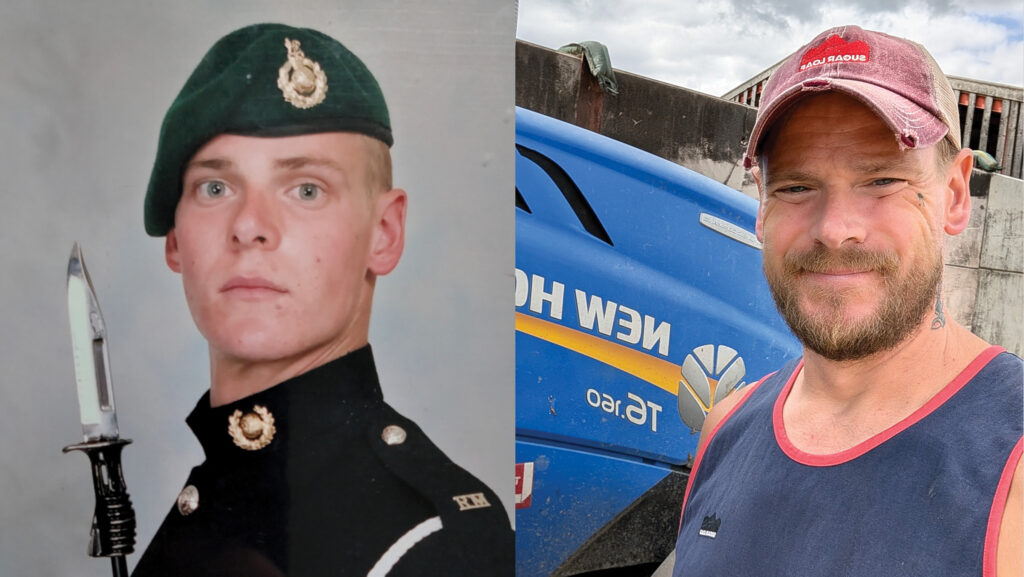 Ryan O'Regan © Ryan O'Regan
 A former Royal Marine who served two tours in Afghanistan says moving into dairy farming has helped restore the sense of purpose and structure he struggled to find after leaving the forces.
Ryan O’Regan, now a full-time farmworker and tractor driver on a Gloucestershire dairy farm, started the role three months ago after deciding to pursue what he describes as a lifelong ambition to work in agriculture.
“I just decided to take the plunge and see what happens,” he says.
See also: Farmers deliver more pick-ups to war-torn Ukraine
Before entering farming, Ryan worked as a tree surgeon and spent about a decade in education.
But he says his 10 years in the Royal Marines, including sniper duties in Afghanistan, continue to shape how he approaches work on the farm.
“Time discipline, attention to detail and resilience – that grit to push through when things get difficult – they are transferable skills that all stem from what was a massive part of my life for those 10 years,” he says.
“Like farming, it’s a lifestyle. You’re either in it, or you’re not.”
Difficult transition
Ryan left the Marines in 2015 and describes the transition to civilian life as difficult.
“You go from a tight-knit, bonded community where everything is managed, and then all of a sudden it just stops.
“You get given a handful of leaflets, and then you’re turfed out on your way.”
He believes farming and military life share many similarities, including long hours, physical demands and the isolation that can come with both industries.
“I do think that we can support each other. It sits within that common ground of loneliness and isolation and being devalued and forgotten about,” he says.
Renewed meaning
Despite the demands of the job, Ryan says farming has given him renewed meaning and satisfaction.
“You will find in farming all the things that made you feel worthwhile,” he says.
“You get to enjoy the outdoors – without being screamed at by a Sergeant Major.”
He also highlights differences in communication between military and civilian workplaces, which can make adjustment difficult for some service leavers.
“In the military, you are trained and developed to be five people acting as one person, and everything is reviewed.
“Farmers don’t often have the time to explain everything in that detail, but service leavers need that connection and communication, because it’s part of who they are.”
Moments of joy
For Ryan, some of the greatest rewards come in the simple moments of farm life.
“Driving in the tractor along the public road, everybody thinks you’re a farmer, and everybody wants to wave,” he says.
“You get kids stopping, and their jaws drop and eyes open as you go past. That hasn’t got old.”
Linking military veterans with farmers
A charitable project helping military veterans move into farming and rural work is preparing to expand its support for former service personnel seeking new careers.
Farm-Able CIC, a community interest company founded by former dairy farmer and agricultural lecturer Penny Connorton, provides advice, work placements and training opportunities across farming, horticulture and other rural businesses.
The initiative was created to help veterans and service leavers transition into civilian life while also addressing labour shortages on farms.
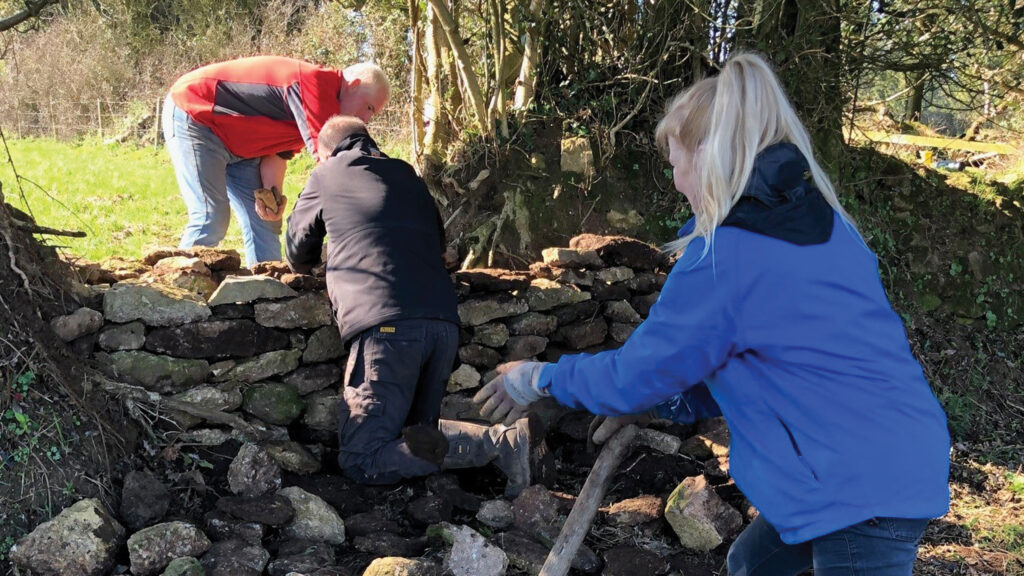
Dry stone walling © Penny Connorton
Since launching in 2012, more than 100 veterans have taken part in farm visits, training and longer-term placements, with some progressing into permanent jobs in areas including estate management, dairy farming and equestrian businesses.
Penny says farming and military life often share similar demands and values.
“With approximately 15,000 people leaving the armed forces each year, many are uncertain about their next steps,” she says.
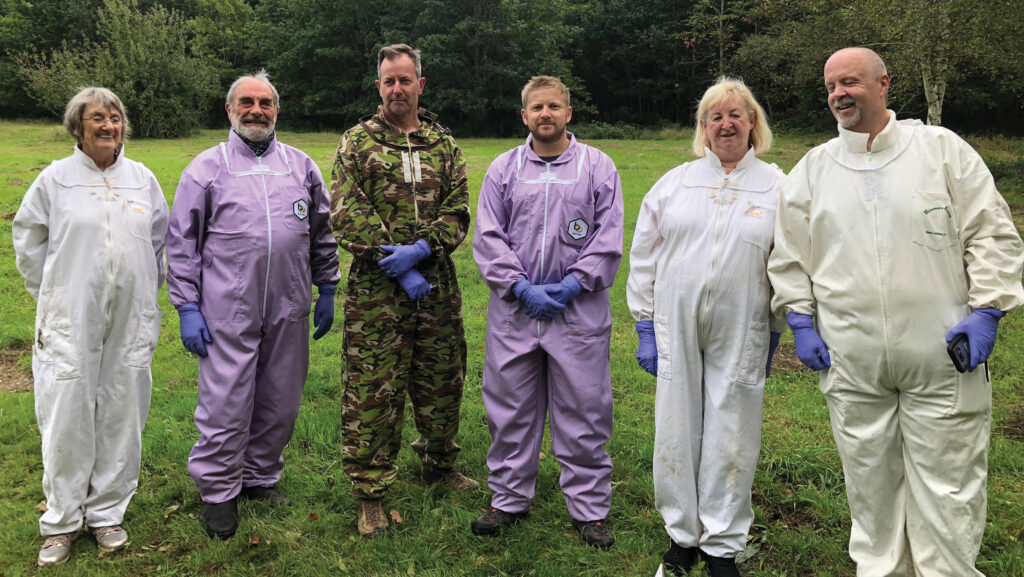
Beekeeping day in 2018 © Penny Connorton
She adds that veterans often bring transferable skills valued by employers, including reliability, practical problem-solving and strong timekeeping.
The project initially focused on mental health support, with early projects involving small groups supported by a trauma specialist.
Its emphasis has since shifted towards helping service leavers find employment pathways into rural industries.
A survey planned by the organisation aims to better understand how veterans can be matched with opportunities across the agricultural sector and raise awareness of farming careers.
Support
Devon beef farmers Mark and Deborah Daymond have supported the project since its early days by opening their farm to veterans seeking routine, practical work and respite.
Starting with simple jobs such as hedge laying, yard sweeping and calf care, the couple found that time spent on the farm could have a significant impact.
“A chap used to come up from Plymouth and it gave him a lot of peace and quiet,” says Deborah.
She believes farming environments can offer veterans valuable space and structure and hopes to welcome service leavers to the farm again in future.
Anyone wishing to get involved in helping military veterans move into agriculture can contact Penny at farmingconnections@gmail.com.