Farm’s Bomber Oak battles for Tree of the Year crown
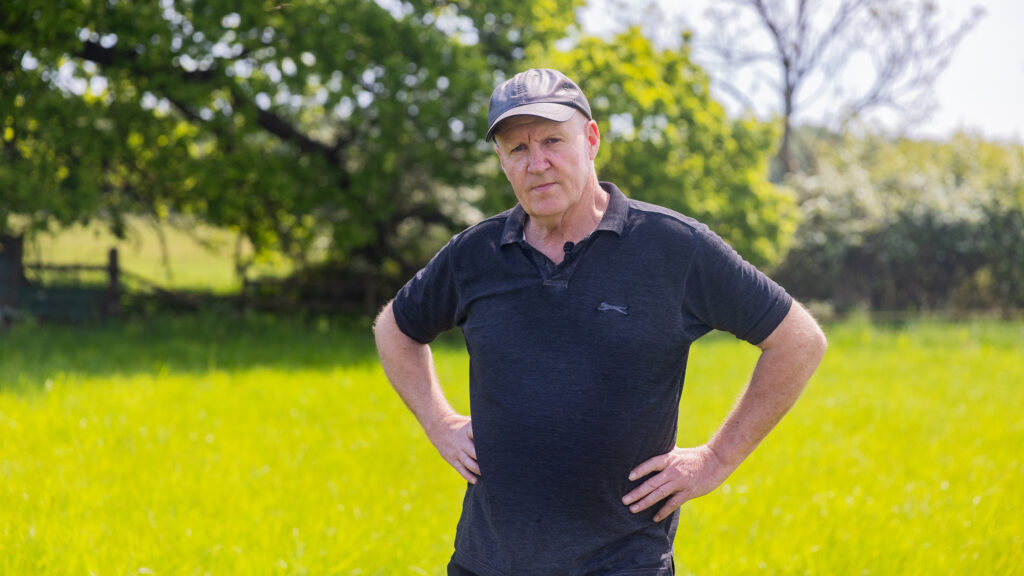 The Bomber Oak is a living tribute to the servicemen who died, says Andrew Brown © The Woodland Trust
 A remarkable Rutland oak that survived a collision with a Second World War Lancaster bomber is in the running to be crowned the Woodland Trust’s Tree of the Year 2026.
Known as the Bomber Oak, the 180-year-old English oak stands on Andrew Brown’s family farm near Uppingham and has been shortlisted in this year’s national competition, which celebrates trees that have survived extraordinary events “against the odds”.
Voting is now open, with the winner due to be announced in October.
See also: What farmers can do to protect newly planted trees
Mr Brown nominated the tree because of its incredible story of resilience.
“It had been run into by a Lancaster, and I thought that showed a bit of resilience,” he told Farmers Weekly.
“It would have been quite badly damaged when it was hit by the aeroplane.”
The dramatic incident happened on 26 April 1945, when a Lancaster bomber returning from Germany clipped the top of the oak after transporting liberated prisoners of war back to Britain.
The aircraft continued for another 10 to 12 miles before crashing near Hardingstone, Northamptonshire.
Five of the seven crew members – three New Zealanders and two Britons – sadly lost their lives.
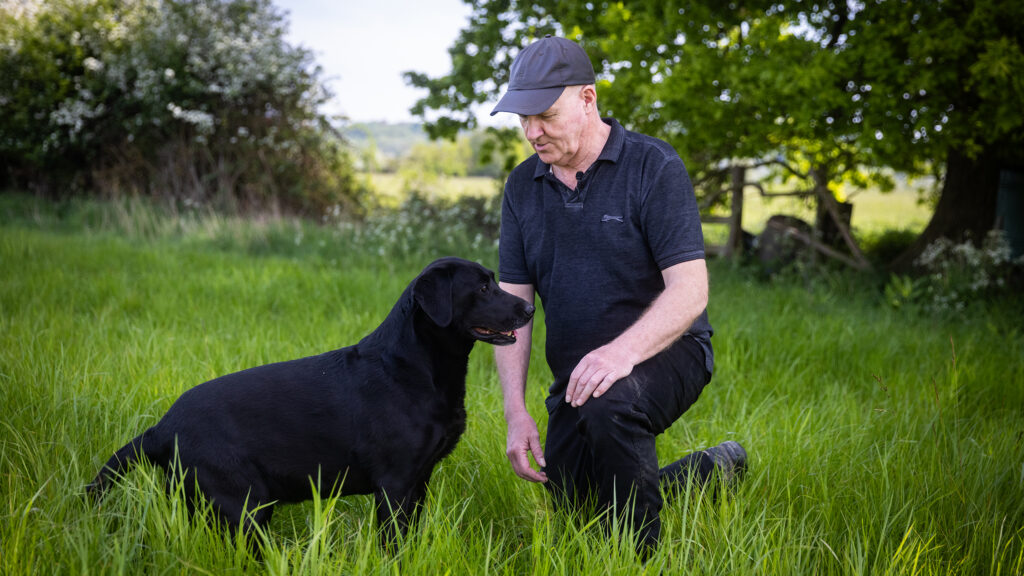
Andrew Brown and his dog near the Bomber Oak © The Woodland Trust
Mr Brown said his grandfather witnessed the aircraft flying low over the farm while planting potatoes.
“He always told us how it banked round, hit the tree and then carried on before crashing,” he said.
Growing up, Mr Brown also remembers finding thick pieces of Perspex in the surrounding fields while ploughing – fragments believed to have come from the bomber’s nose cone.
The tree has faced more than one battle for survival. Decades after the wartime collision, it was threatened by plans for a water pipeline across the field.
However, objections from local residents, including the Brown family, led to the route being changed, allowing the oak to remain untouched.
Farm walks feature
Today, the veteran oak stands beside a public footpath and has become a feature of the farm walks Mr Brown hosts for schools and community groups.
“It’s a living tribute to the brave servicemen,” he said.
“The New Zealanders came halfway around the world to help rid Europe of the scourge of Nazism, and this tree is a reminder of that sacrifice.”
The Bomber Oak is competing against nine other finalists from across the UK, including the Crowhurst Yew in Surrey, which survived a Civil War cannonball, the Preston Twin in Brighton, one of England’s oldest surviving elms, and the Balloch Castle Ash on the shores of Loch Lomond.