Farmers encouraged to take action on mental health this May
 © SolStock/Istockphoto
 Farmers and rural communities are being encouraged to take practical steps to support mental wellbeing as Mental Health Awareness Week returns from 11-17 May with the theme “Action”.
The Mental Health Foundation, which runs the annual campaign, says this year’s focus highlights the importance of taking simple, everyday steps to protect mental health and support others who may be struggling.
See also: How neurodiverse workers can protect mental health
Dr David Crepaz-Keay, public health information lead at the charity, says awareness alone is not enough.
“We chose Action as this year’s Mental Health Awareness Week theme because looking after our mental health isn’t just about awareness, it’s about the things we do that nurture and protect our mental wellbeing,” he said.
“Small, everyday actions can make a big difference to how we feel and how we cope with life’s ups and downs.”
Ongoing pressure
The campaign is expected to resonate with many farmers, who continue to face pressures linked to workload, financial uncertainty, isolation and ongoing policy changes.
Dr Crepaz-Keay said taking action could include prioritising self-care, but also checking in with others.
“Taking a moment to check in on a neighbour, having a meaningful conversation with a friend, or volunteering in your community can all help people to feel seen, supported and valued,” he said.
Act early
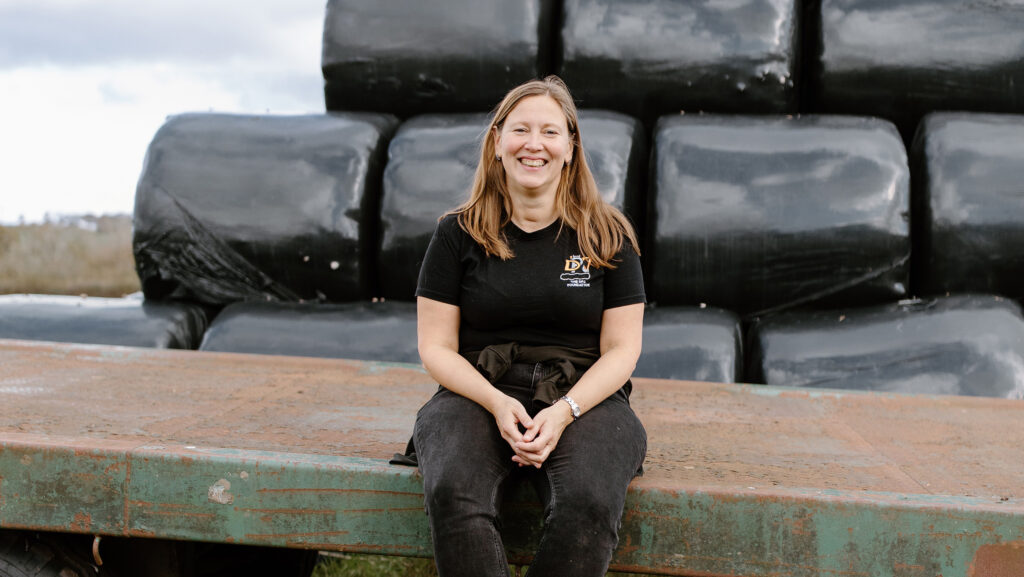
Kate Miles © DPJ Foundation
Kate Miles, charity manager at Welsh rural mental health charity the DPJ Foundation, said stigma around seeking support still remained in some communities, making it important for people to act early if they are struggling.
“Taking action can look like speaking to your doctor, a mental health provider such as the DPJ, or a friend,” she said.
She also urged people to reach out if they notice changes in someone’s behaviour.
“If you’ve noticed a change in behaviour – they might be more emotional, not as good at doing certain tasks than they were before, or they are angry. Reach out to that person and find out if they might need support,” she said.
Supporting your wellbeing
Ms Miles said people should also take time to understand what supports their own wellbeing, rather than simply pushing through stress.
“Keeping going isn’t always sustainable in the long term,” she said.
Breathing exercises, taking breaks from distressing news and making time for conversations can all help, she added, particularly during periods of uncertainty.
She also encouraged people to share information about support services with others, whether through social media, a phone call or “just having a chat at the mart”.
“If you don’t change anything, nothing will change,” she said. “Make that investment in yourself to be better equipped and learn how to look after your mental health.”
Tips for taking action for good mental health
- Understand your emotions: Taking time to reflect on feelings can help people manage stress and make clearer decisions. Writing thoughts down may also help process difficult emotions over time.
- Stay connected: Spending time with friends, neighbours or family can improve wellbeing and reduce feelings of isolation. Whether it is a coffee, walk or catch-up at the mart, meaningful conversations can help lift mood.
- Prioritise sleep: A good sleep routine can improve mental wellbeing. Avoiding screens, caffeine and alcohol before bed, and sticking to regular sleeping patterns, may help improve sleep quality.
- Make time for hobbies: Creative activities such as listening to music, painting, singing or other hobbies can help reduce stress and anxiety by providing a break from day-to-day pressures.
- Seek support early: If life feels overwhelming, speaking to a doctor, counsellor or mental health charity may help. Talking therapies can support people through difficult periods and help build long-term emotional resilience.
More tips and ideas can be found at the Mental Health Awareness Week website.