Alasdair Boden: AI will never replace a farmer’s gut feeling
 © Adobe Stock
 How au fait are you with AI? By this I’m not talking about the original AI – artificial insemination – but the newer Silicon Valley adaption.
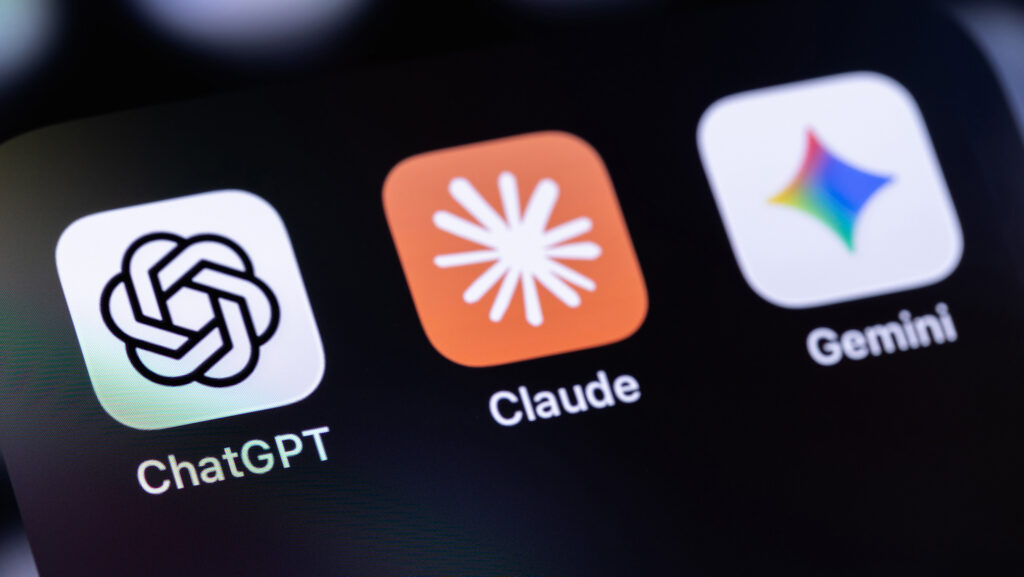
With my former office work, artificial intelligence had firmly embedded itself into my daily life. So, I decided to try it out in my land-based enterprise.
One of the first things I did was ask Claude (my choice of AI engine) to create a projected farming plan with a profit-and-loss account.
I went into great details with an Excel sheet of fields, list of current stock and what government schemes we’re on.
The result? A future profit of £3,500/year. While it is a very truthful insight, it was also desperately depressing.
See also: Alasdair Boden – looking after land can mean ‘intervening’
About the author

From the base of this plan I then asked the simple question “how can I improve the profit?” and the result showed how AI could start to come into its own.
It reeled off a list of potential additional grants and schemes before suggesting slight changes to livestock projections based on the current sales reports from local marts.
It then asked if I wanted it to write up applications for the said schemes and even to create a direct-to-consumer business plan with full operational instructions on how to execute it.
However, there are serious limitations. The AI models were able to look at my location and judge that I’m certainly not going to be an arable enterprise.
But it is unable to understand the dynamic nature of the climate. An AI grazing plan won’t consider the effects of varying volumes of rain on poaching or drought on sward growth.
This is where the farmer’s sense and experience comes in. Sometimes you have to trust your gut, not Claude.
AI does have its place, it gives a good starting ground and it can help provide ideas on how to improve the efficiency of your farming enterprise, but there will always be space for that age-old gut feeling and personal touch.