

Tips on improving people skills from a NZ dairy manager
Managing a herd of cows may be far easier than managing a team of staff, but dairy farmers can develop their people skills. All it takes is a willingness to learn and cultivating some self-awareness.
Farm manager Lauren McConnachie (crowned DairyNZ 2026 Dairy Manager of the Year at the New Zealand Dairy Industry Association Awards) readily admits that people were not her strong point.
See also: Different ways to reward good farm employees
She thinks humans are “a big challenge”, whereas cows are easier to manage on a daily basis. But she says people skills are vital for everyday success on a dairy farm, and getting the best out of staff means making an effort to treat employees well.
“People are a massive driver [to a business] and if you don’t have good people, it makes life so much harder,” she says.
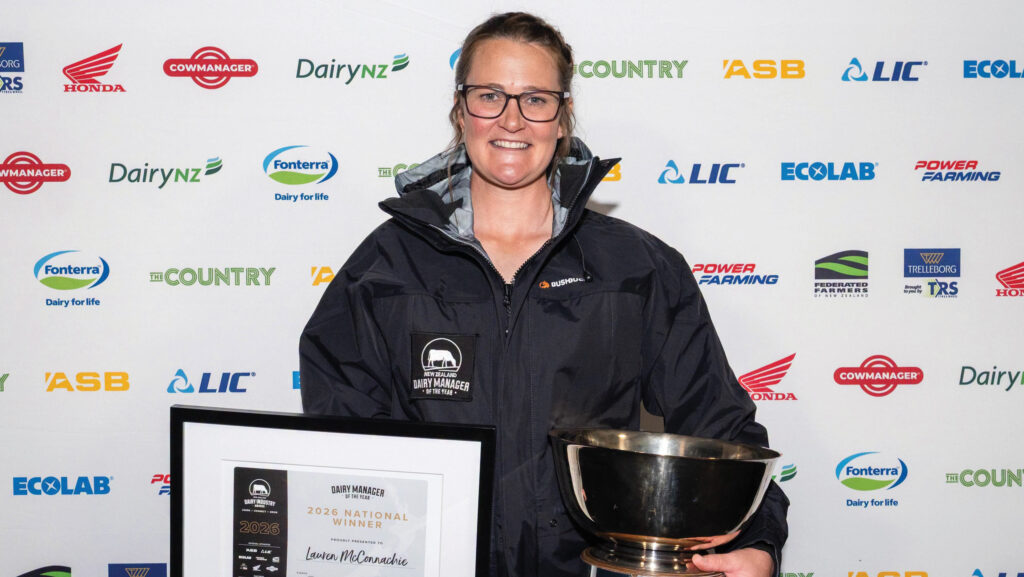
Lauren McConnachie receiving the DairyNZ 2026 Dairy Manager of the Year award © Emma McCarthy
Farm facts: Robindale Farm, Canterbury, New Zealand
- One of 25 farms owned by The Land Farm Group
- Operated by contract milkers Rob and Jenine Screen
- Staff numbers range from eight to 11 depending on workload
- Farms 640ha, of which 563ha effective
- Two groups: milks 850 cows through a 60-bail rotary and 1,350 cows in an 80-bail rotary
- 550 replacement heifer calves reared each year
- Calves from late July to late September/early October
Ways to learn and develop people skills
Lauren’s own experiences from managing a team of 11 at Robindale Farm on New Zealand’s South Island have convinced her that it is possible to be better with people.
She gained a lot of theory (different personality types, effective communication, motivators and rewards) from a leadership course. Then she tried it in practice, while using a couple of mentors and other farmers at discussion group as sounding boards.
Nine times out of 10, she says, people are not malicious: there is always a reason for their behaviour. It just takes time and skill to find out what it is and then deal with it.
“It’s not possible to keep people motivated and happy all the time – they have emotions, so there are going to be upsets,” she points out.
“[People management] is a long path. I’m still learning and developing – if I have a challenge, I go to my mentors and ask how to approach it. But I’m aware that the team makes the work environment and if you can learn cows, you can ‘learn’ people.”
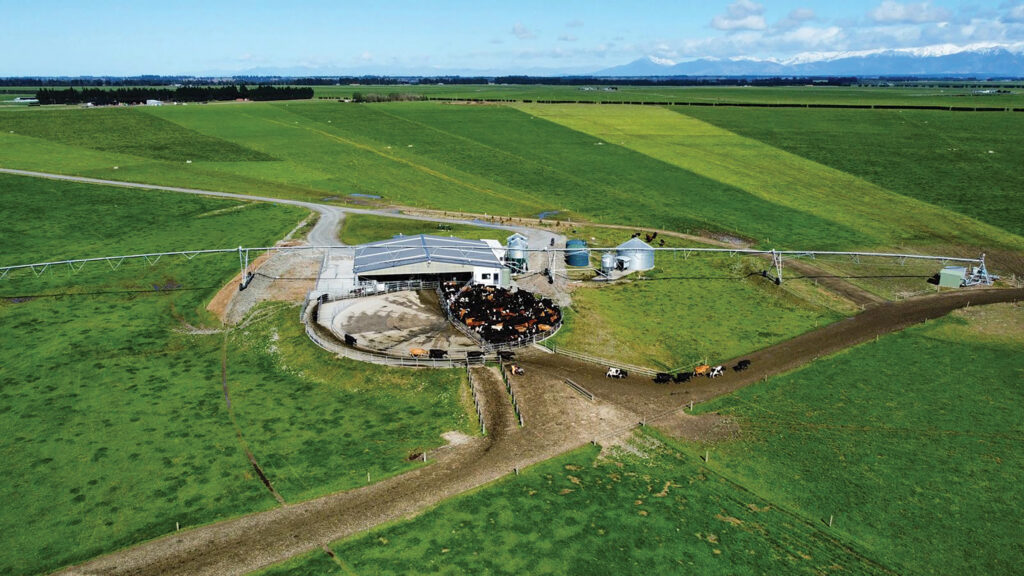
© Lauren McConnachie
Fairness and flexibility in the workplace
The foundation of a great team is a favourable working environment. Robindale Farm operates good systems, a fair roster and a good work/life balance for its employees, says Lauren.
At peak workload (calving, milking and calf rearing) the start time is 4.30am and the aim is to have early starters going home at 4.30pm.
“We have a one-hour breakfast and one-and-a-half hours for lunch, where possible. At quieter times, it is a more relaxed 8am start and home at 4pm. Sunday is an easy day where people can go home after a couple of hours’ feeding,” she explains.
Milking is done twice daily until December, when it switches to three milkings in two days until March. This gives a 7am start and 5pm finish.
“Calving and mating are done back to back, and it’s our busiest time, so being flexible on milkings gives everyone a bit of a break,” she adds.
Get to know people
Lauren likes to get to know individuals, finding out what people enjoy in the job and a bit about their personal life. She is also interested in knowing about their culture, because “different cultures mingle in different ways”.
Because hiring good dairy staff is getting harder, the farm relies on many overseas workers. The downside is that short-term visas lead to a regular turnover.
“It’s great when people stay and get to know the system and you’re not having to teach them. But having new people is also refreshing; they all bring something to the table,” she says, adding their skills range from useful mechanical knowledge to an office worker who helped set up a comprehensive livestock spreadsheet.
Why good communication matters
A successful working day revolves around effective communication, tailoring messages appropriately. Lauren cites this as the most important aspect of getting the team to perform – and it’s not just about keeping in touch via mobile, a WhatsApp group and a radio (phone signal can be poor).
To have a team operating at peak, she stresses that communication is a constant effort through the year. Niceties such as offering a staff breakfast, or supplying beers after a dirty job, are “nice to do” but should not be a sticking plaster over poor connection the rest of the time.
Lauren has regular team meetings covering everything from farm updates to health and safety.
There are also “good performance” meetings, where management gives positive feedback and everyone has a “feel-good moment”. If standards are slipping, there is a different “chat” (not a rollicking) about bringing them back up.
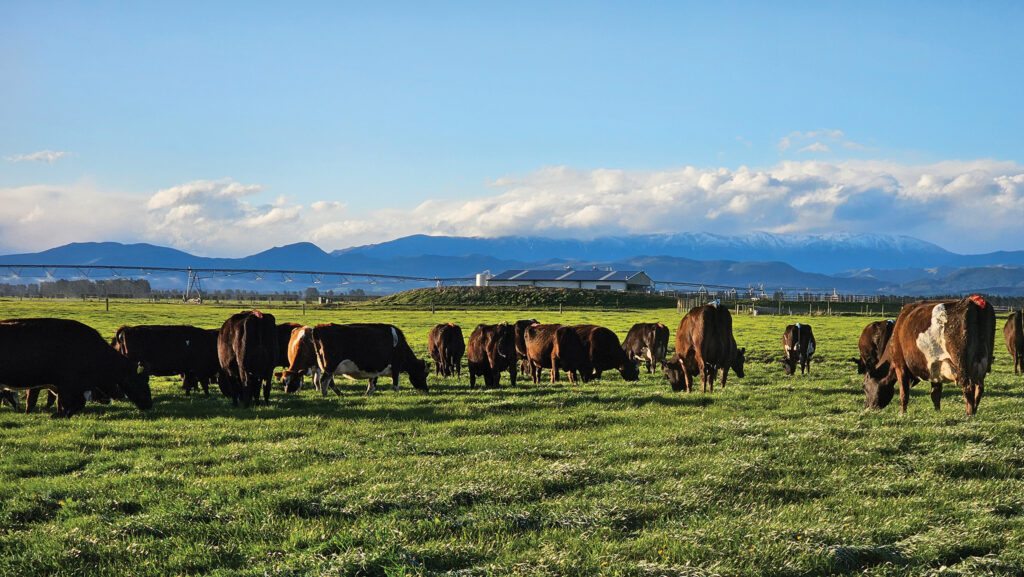
© Lauren McConnachie
Recognition of skills and effort
In Lauren’s view, motivating staff begins with respecting and valuing them, including their different skill sets. She says it is important to acknowledge when things are going well, or if someone is exceeding expectations.
Thanking someone for a task that is done without being asked “takes two seconds of my time”, but the person goes home feeling seen and validated, she explains.
“I also try to milk every day, in the mornings, as that’s my thinking and planning time. Milking makes me part of the team – not just someone who delivers orders and drives out.”
Finding out what drives individuals at work is another essential for Lauren, who has discovered that not everyone is motivated by career development. The farm regularly hires backpackers, for instance.
Some have experience, but most just want a wage, to have a good time and be in and out in six months.
“There is no point in pushing them to learn anything complex,” she says.
“Understand what the team want and give them opportunities to learn and develop. They need time to prove their value – you just have to be patient. They can soon lose motivation if they are just milking day in, day out.”
Self-awareness
Anyone responsible for other people at work must become self-aware. Lauren identified early on in her career that people were not her strong point and worked to change this.
She came to understand what frustrated her – which is particularly important when interacting with different personalities, she says. She likes organisation and structure and now realises why she can be annoyed by people who are not like that.
Farm owners should never let their emotions rule, she cautions.
“Keep them in check: be level-headed. You can’t shout, yell, or scream – leave and take five minutes. It can be challenging, and while everyone is replaceable to a point, it’s not good to have a constant turnover of staff – that is a reflection of you and the working environment,” she says.
“Treat people with the respect, care and value that you would want to receive.”