

What makes a good employee on a dairy unit?
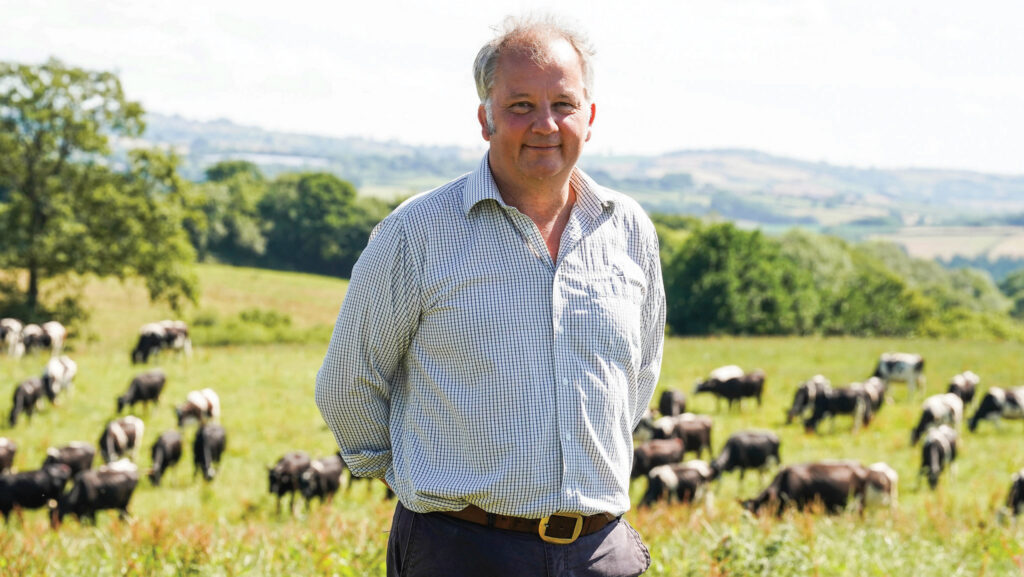 Piers Badnell © Emily Fleur
 Punctuality is top of the list when it comes to the attributes dairy farmers seek in an employee, closely followed by someone who has a “happy personality” and is “willing to learn”.
Only one of the 15 desirable traits – record-keeping – refers to someone’s job skills and experience.
See also: What makes a good employer on a dairy farm?
The tally was collated by LIC consultant Piers Badnell from feedback at his discussion groups from farmers ranging in age from late 20s to late 40s.
He says that while it wasn’t a scientific (or statistically significant) study, most characteristics chosen reflect a human’s desire to like the people they work with.
Employer and employee want similar things
The “What makes a good employee?” list followed on from Piers asking farm staff what makes a good boss. In that survey, the results included good communication, involvement in the business, delegation and a sense of humour.
He thinks there is a lot of similarity between the two lists, which leads him to conclude that dairy farmers and their staff speak the same language, they are just not quite there with clear communication.
“They have listed similar things, just in a different order and it doesn’t quite transfer across. Neither understands each other.”
As punctuality came top, Piers sees it as a good indicator of dairy farmers learning to be more self-aware.
He explains that while some farmers, who pay attention to detail, might want staff to always be on time, others will be more relaxed about it.
“If someone is always 15 minutes late for everything, it gets on your nerves if timekeeping is important to you, as it is perceived the latecomer is lacking respect. And it holds the rest of the team up,” he explains.
“If you acknowledge that someone is always like that, but they have other good qualities, then a poor timekeeper can also be a person who can do a really great job. Look for the greater good.”
Attitude and adaptability are key attributes
When employing a new member of staff, he says that ideally an employer should select for the right attitude. Look for someone who is adaptable and interested: “You can train the right person to milk cows,” he says.
The key, however, is to start by being very clear what sort of job is being offered in the first place.
Many dairy farmers have a long list of requirements, rather than having identified specific gaps to be filled.
Establishing this before placing a job advert is crucial because prospective employees won’t know what the job role is.
Brush up on interviewing skills to fill team vacancies
Many people who are good at working with animals do not always come across well at interview, says Piers, and do not like being put on the spot. Yet with a bit of work, he thinks it is possible to unearth more about a person.
The interviewing process needs to be set up in a way that it helps candidates and gives them an opportunity to talk about themselves. Piers says this means farmers will need to brush up on their interviewing skills and remember to use open questions.
Questions beginning with who, what, why, where, when and how can’t be answered with a straightforward “yes” or “no”: they require elaboration.
He also says to give people time to think of their answer in the interview. “Be silent. Don’t fill the gap or rush them. Allow them time to process the question.
“Even better would be to give them a list of questions half an hour before the interview, so they have time to go through them and consider answers,” he says.
“Give me an example of…tell me about this…tell me how you progressed – the answers to these questions will reveal the person’s attitude to work and willingness to learn.
“Then you can ask yourself, ‘Can I teach this person, can I trust them?’ The fundamentals for being part of a team are: will they turn up, do what they say they will do, and are they honest. Anything else is a bonus.”
Ultimately, the aim should be to help people grow into the best version of themselves, but this first requires an understanding of how different people learn and develop.
Piers’ advice to dairy farmers is that even if they choose to outsource or delegate the hiring of staff, they will still be asked to define the job description, roles and responsibilities.
So, it is important to spend the time preparing and thinking (determining what gaps need filling) before hiring.