

Farmers told ‘not too late’ to vaccinate against bluetongue
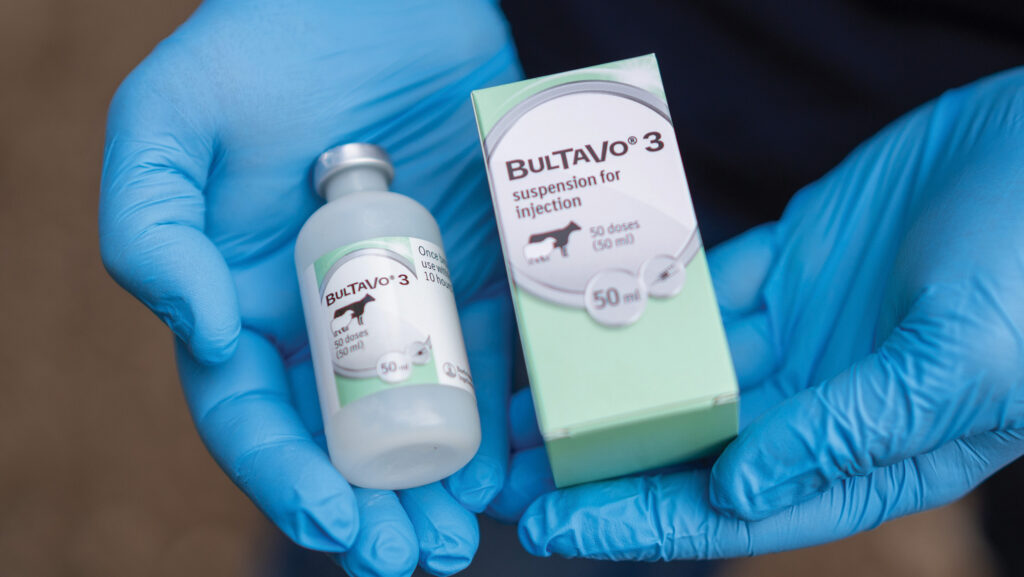 Another 3m doses of bluetongue vaccine are on their way © Jim Wileman
 Dairy farmers are being urged to vaccinate against BTV-3 if they haven’t already, with vets warning midges are still active and the disease will overwinter.
“Everybody in England should consider themselves at risk. With the warm weather we are still seeing, midges are still active, and I don’t think we’re at the peak of infection yet,” warns UK chief veterinary officer Christine Middlemiss.
See also: New bluetongue map shows where virus is most active
Cat McLaughlin, NFU chief animal health and welfare adviser, says the disease is “on the move” and reminds farmers it is notifiable and must be reported.
BTV shares clinical signs with foot-and-mouth disease, which is currently present in parts of mainland Europe, making vigilance and reporting paramount to avoid misdiagnosis.
Vet Josh Swain from Synergy Farm Health in the South West, one of the worst-hit regions, says it is not too late to vaccinate.
“Immunity takes several weeks, so don’t wait. We’ve seen more severe signs in cattle than I expected compared with previous BTV outbreaks.”
While duration of immunity is not fully understood, Josh says vaccinated herds saw fewer issues.
“I’ve had farmers hesitant to vaccinate because they are worried about fertility, but bluetongue will have a bigger impact. We have had plenty vaccinate and seen no issues.
“Give it another five to six months, and I think we are going to be seeing calves with birth defects and dummy calves. We are not out of the woods yet.”
Farmer experience
Dairy farmer Sophie Gregory vaccinated cows but not youngstock and believes it was a mistake.
“We had three cases in heifers calving into the herd, but the cows have been fine. Two of those heifers are never going to reach their potential, and the cost of the vaccine would have been less than what I will lose.”
Vaccine supply and reporting
Christine says farmers are no longer required to sample to confirm the disease. Instead, private vets can use clinical judgement, unless foot-and-mouth is suspected, helping speed up reporting and reduce pressure on labs.
Vaccine supply is also expected to improve, with 3.5m doses having arrived in Britain in August and another 3m on its way.
With midges predicted to overwinter, the risk of earlier, widespread infection next year is greater, and the message from vets is clear: vaccinate and look out for each other.
“If you have bluetongue on your farm, please don’t feel in any way you’re at fault. This is an insect-borne disease. Don’t hide away. Make use of support charities and look out for each other because it’s horrendous for those affected,” says Cat.
The speakers were taking part in a briefing at the recent UK Dairy Day, Telford