

New bluetongue map shows where virus is most active
 © Tim Scrivener
 A new bluetongue map showing where the virus is most active has been launched as confirmed cases continue to rise across Great Britain.
The Animal and Plant Health Agency (Apha) has updated its online map to show areas of active virus circulation alongside premises where one or more animals have tested positive for bluetongue serotype 3 (BTV-3).
See also: How bluetongue vaccination decisions affected two flocks
The change is intended to give livestock farmers a clearer picture of local disease pressure, as laboratory confirmation can take about five weeks, helping inform decisions, including on vaccination.
Latest figures show BTV-3 has been confirmed on 942 premises, including 811 in England, 110 in Wales and 21 in Scotland, with a further 2,360 premises under investigation.
A Defra spokesperson said: “We’re working closely with farmers and vets to help protect livestock from bluetongue and give them the information they need to act early.”
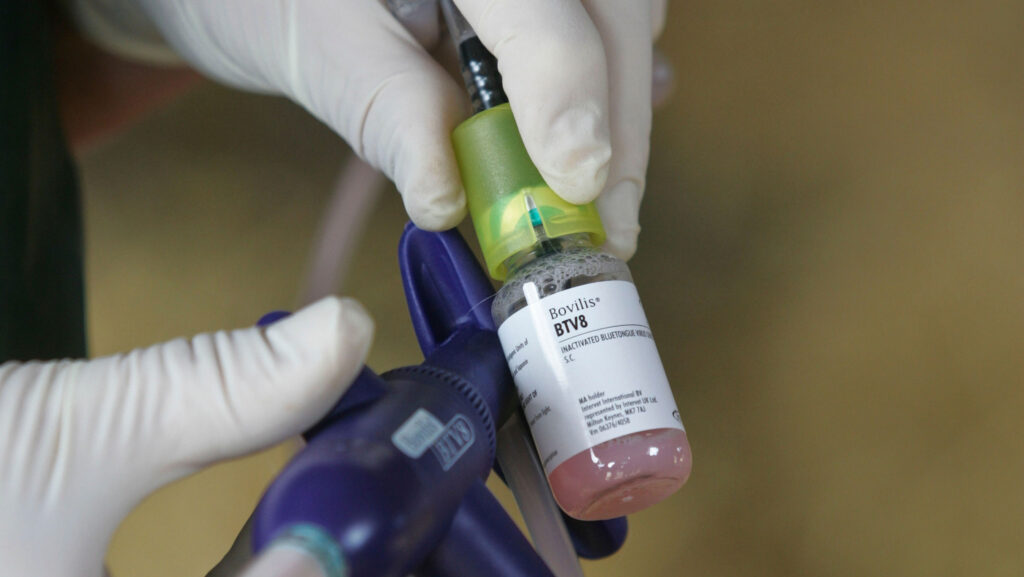
Vaccination, Defra said, is the best way to protect livestock, and it has encouraged farmers to speak to their vet.
NFU vice-president Robyn Munt said it is “commonly accepted” the disease is widespread across the entire country, and he urged farmers not to wait until the disease is close to them to act.
“Speak to your vet to place your order for the vaccine as soon as you can.
“You should also not only plan to vaccinate this year, if you have not already done so, but also discuss with your vet next year’s vaccination in a proactive plan to support vaccine availability.”
Tupping warning
Meanwhile, the National Sheep Association (NSA) has urged producers to check trusted guidance on ram fertility before tupping, warning that conflicting advice is circulating on farms and online.
Farmers are being directed to AHDB fact checks on the Ruminant Health and Welfare bluetongue hub and updated Sheep Veterinary Society guidance on breeding soundness examinations.
NSA chief executive Phil Stocker said: “Bluetongue has moved quickly this year, and the questions coming into the NSA office show how much conflicting advice is going around.
“Rams are where poor information costs the most, because a fertility problem picked up in September does not show itself until scanning, and by then nothing can be done.”
Farmers are being encouraged to discuss vaccination, ram assessment and planned livestock movements with their vet before problems emerge.
Scottish restrictions
Further changes take effect in Scotland from Thursday 10 September as a bluetongue-restricted zone is established in the South West following evidence of virus circulation.
Store, finishing and non-pregnant female animals will no longer require testing or vaccination to move from the restricted zone into Scotland’s disease-free area, although requirements remain for some breeding stock.
Separate rules will require susceptible animals moving into Scotland to live from bluetongue-restricted zones elsewhere in the UK and Isle of Man to have completed an authorised BTV-3 vaccination course, with 21 days elapsed.
Scottish agriculture minister Jim Fairlie said vaccination remained the “only viable long-term strategy” for controlling the disease.
The NSA is also surveying sheep farmers about expected BTV-3 vaccine requirements for 2027 to help manufacturers anticipate demand.