

Farmers advised to vaccinate against bluetongue as cases rise
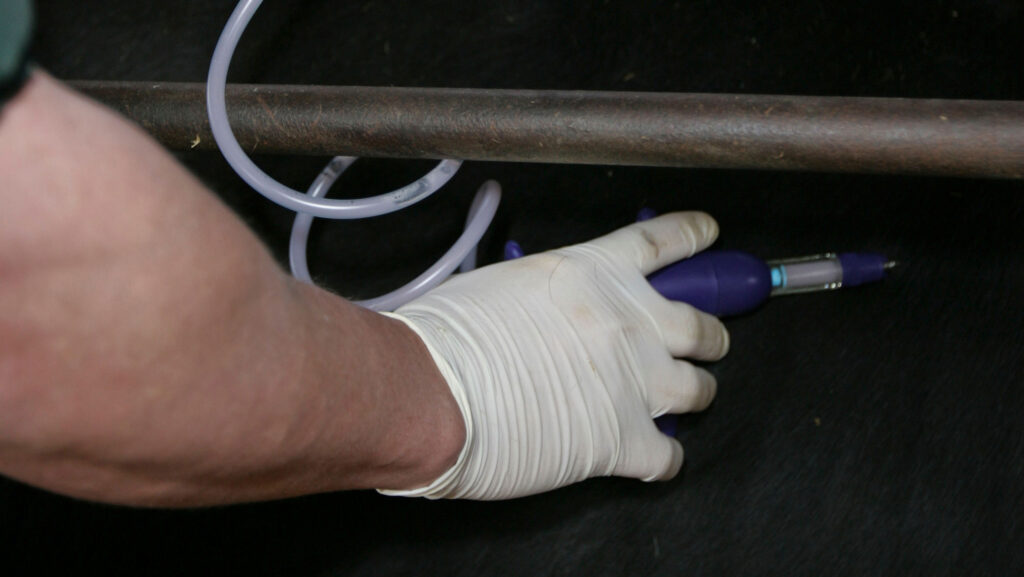 © Tim Scrivener
 Livestock farmers are being advised to vaccinate their animals against bluetongue, as vet and industry leaders warn the coming “season” could be the worst yet since the disease appeared in November 2023.
National Beef Association chief executive Neil Shand said he was really concerned about the emerging number of cases in England at the start of spring calving season.
See also: Low vaccination rate leaves livestock exposed to bluetongue
Just in the past month, there have been 26 new cases in herds of cattle and flocks of sheep.
This takes the total case load since 1 July 2025 in GB to 320 – almost all of them the BTV-3 strain of the disease.
“We’re seeing higher levels of abortions and dummy calves – calves being born with partial brains and in some cases, no brains – and we’re seeing this across the whole of England,” he said.
“But interestingly, we’re seeing very little in the eastern counties, where there would have been a relatively high uptake of vaccine last year, because they were all in the [restricted] zone.”
Mr Shand said farmers really needed to vaccinate cattle ahead of spring turnout.
“This time last year we did not really have a great availability of vaccine that we would have had confidence in.
“And a lot of cattle were turned out in the spring before the vaccine was available.
“It’s really different this year, with plenty of vaccine available, and now is the time to do it.”
He added that, with the current value of livestock, precautionary vaccination was a “no brainer”.
“If you loose one calf, the net value of that if it’s reared and sold on could be £2,500… to vaccinate a cow, it’s £5,” he said.
Few signs
According to UK chief vet Christine Middlemiss part of the problem with bluetongue was that there were often few clinical signs, which may lead people to believe that it was not so bad.
“The clinical sign that you may not yet have seen is the reproductive one.
“And it’s going to come some months down the line from infection,” she said.
“It is important to be thinking ahead, to give the right protection at the right time.
“So think about it now, before you are putting the bull out, and while you can still handle the cattle when they’re inside.”
The experience was that, while some animals showed clinical signs last year, vets were now seeing an uptick in the reproductive impact.
According to Sioned Timothy from Boehringer Ingelheim Animal Health – manufacturer of the Bultavo 3 vaccine for cattle and sheep – the best strategy was two doses for cattle and a single dose for sheep.
“Animals are protected two weeks after the single vaccine in sheep and three weeks after the second vaccine in the case of cattle,” she said.
“By vaccinating now, in the case of spring-calving animals you can protect cattle ahead of bulling and ahead of the risk period, which will begin to rise around April-May time.”