

Advice on grazing management to reduce tick risk to cattle
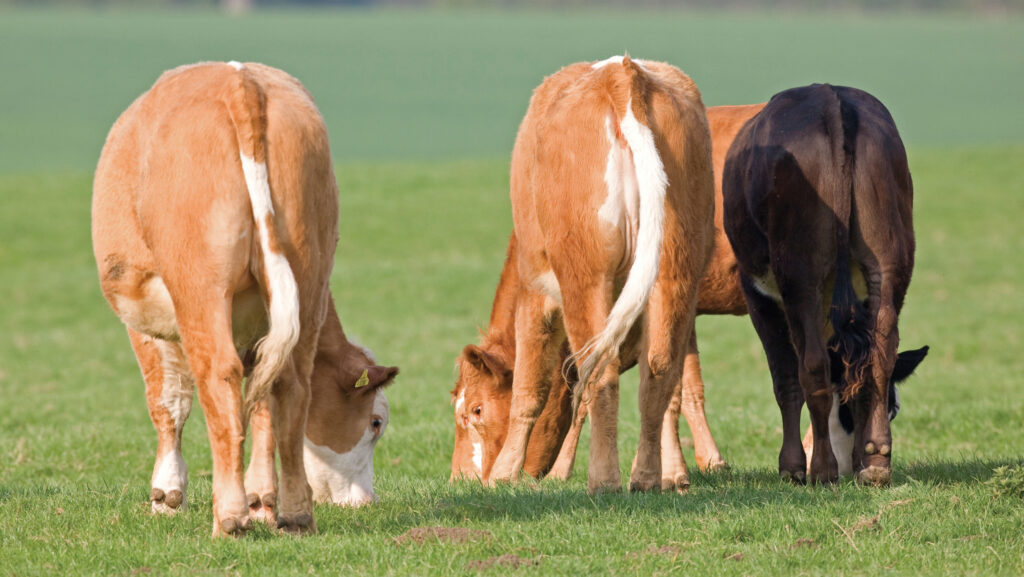 Replacement heifers benefit from grazing low-risk tick pastures pre-breeding © Tim Scrivener
 Grazing low-risk tick pastures with maiden heifers before they reach bulling age will help beef suckler herds to build their resistance to tickborne diseases.
Combining good cattle immunity with strategies to disrupt the tick life cycle results in a more sustainable approach to reducing the risk of tickborne fever or redwater (babesiosis).
See also: Redwater fever in cattle: What it is and how to manage it
“You want to get cattle acclimatised by being exposed and bitten by ticks,” says Colin Mason, a consultant vet with Ruminant Revival.
“They will get a mild challenge – not severe clinical disease – and build their immunity.
Non-pregnant heifers can get acclimatised either in their first or second grazing season, so that when they are in-calf, they are immune and should cope with meeting a disease challenge.”
For young breeding bulls, the same approach applies, but he advises “the longer, the better” between tick exposure and breeding.
He also recommends testing sperm quality before breeding to check that bulls are still fertile.
Risk-based approach
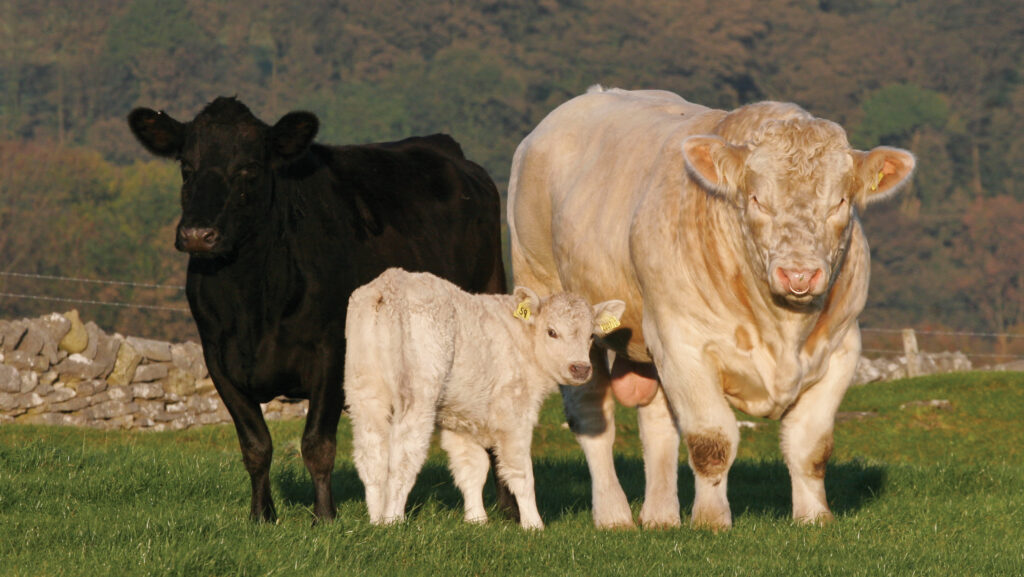
Tickborne fever causes naive bulls to be temporarily infertile and early abortion in cows © Tim Scrivener
Establishing a farm’s high- and low-risk tick areas is essential to set up a grazing policy that will develop cattle immunity to tickborne fever, says Colin.
Vulnerable (high-risk) stock can then be put into fields at low-risk times of the year.
“Rest and rotate grazing, with a short three- to four-day grazing period and long rest periods – as you do for worm control. GPS collars are perfect for keeping cattle 20m away from forest margins,” he explains.
Ticks spend most of their three-year lifespan in the environment and just 20 days on an animal.
As it is not possible to prevent cattle from being bitten, and there are still no vaccines or licensed treatments for tickborne fever in cattle, the focus remains on chemically controlling ticks attached to livestock.
However, Colin points out this requires regular (and timely) handling of cattle to be effective.
And the unintended consequence is that chemicals toxic to ticks also disturb the natural population of beneficial insects in the environment.
Natural tick predators
Changing weather patterns, coupled with more tick-friendly habitats, have seen these parasites become an increasing challenge for livestock farms year round.
Tree planting, sowing multispecies swards and grazing longer grass all encourage ticks to thrive, says Colin.
“Long, thick grass with a good vegetation mat – a mix of fibrous live and dead grass close to the soil surface – is perfect for a tick. It can keep warm when it is cold, and hydrated in dry weather.
Trees also encourage wildlife tick vectors such as deer, hares and grouse.”
Eliminating ticks from grazing would be impractical. Instead, he suggests a better goal is to maintain a natural population balance, by increasing the number of natural tick predators.
“There is a complex web of insects that predate on tick larvae and nymphs: spiders, beetles and ants. The aim is to build a balanced ecosystem, with a good diversity of insects and a healthy population,” says Colin.
“We are not trying to eradicate ticks and disease – we allow exposure and can cope with a low level of infection, and we top up immunity and resilience.
But no one bit works in isolation – you have got to build a system working in balance with nature and promoting a natural ecosystem.”
Resistance to ticks
Naive cattle are more susceptible to a tick challenge, says Colin Mason. Animals classed as high risk include:
- Underweight youngstock
- Calves less than four months of age
- Twins
- Animals resulting from a difficult birth or born outside in challenging weather
- Cattle purchased from non-tick areas.
An animal’s vulnerability affects their immune system and ability to withstand a high-tick challenge.
In naive cattle, tickborne fever causes a spike in temperature for a few days and stock feel unwell.
But with a high level of challenge and/or a poor immune response, the consequences will be greater.
“Ultimately, it affects a herd’s barren rates and productivity. Young calves can pick up secondary bugs, pneumonia and scours,” says Colin.
Bulls become temporarily infertile as the high temperature affects their sperm quality, while early in-calf females can abort.
Age and health status
Resilience and the ability to fight off infection and disease comes with age – calves over six months are more robust.
However, it is also associated with fit and healthy animals in good condition.
When they are fed an appropriate diet balanced in protein, energy and trace elements – and growing well with no other diseases challenging their immune system – they will be able to withstand a tick burden.
Regular grooming displayed by healthy cattle can also dislodge ticks.
Genetic resistance
Research in tropical areas (such as Africa and Australia), where the hot/humid weather means ticks are a major issue, is looking at breeding for tick host resistance.
This is related to coat hair types and skin characteristics, as well as the animal’s ability to mount an immune response to tick bites.
Resistance is said to be moderately to highly heritable among tropical breeds, with the Brahman having better resistance than European beef cattle breeds.
Unfortunately, it is not yet a trait that can be routinely evaluated in the UK because of lack of data, says AHDB’s head of genetic evaluations Marco Winters.
“There is growing awareness that the risk of tick-borne disease is increasing.
“As land use change and climate trends expand tick habitat, genetic resilience may become an increasingly valuable trait in both dairy and beef breeding programmes,” he says.