

Rare breed farmers struggle to access bluetongue vaccines
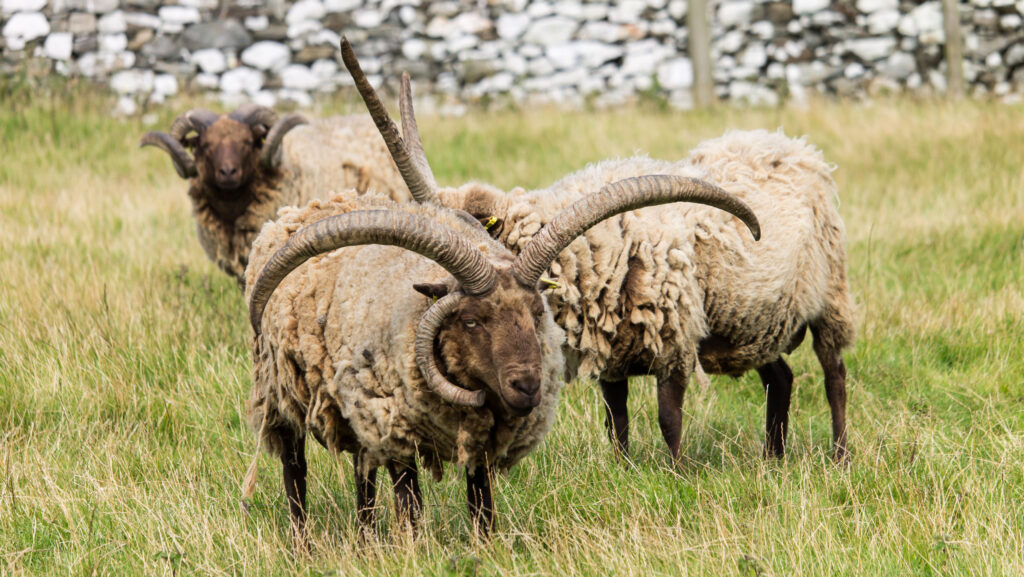 © AdobeStock
 Farmers keeping rare breeds are struggling to access bluetongue vaccines, raising concerns about the threat the disease poses to vulnerable native livestock populations.
The Rare Breeds Survival Trust (RBST) has written to Defra biosecurity minister Baroness Sue Hayman, calling for urgent action to improve vaccine availability, particularly for smaller herds and flocks.
See also: Farmers warned against trading surplus bluetongue vaccines
A consultation with breed societies and breeder groups found that 60% reported members experiencing difficulties obtaining vaccines.
Vaccination rates remain below 50% of registered animals in many rare breeds, with some reporting coverage of less than 20%.
RBST chief executive Christopher Price warned that low vaccination levels could put the survival of some breeds at risk.
“With low population numbers already, the bluetongue virus is a concerning threat to the breed-level survival of the UK’s rarest native livestock, and to the crucial genetic diversity these breeds maintain for food and farming.
“But a high proportion of the UK’s rare breed livestock remain unprotected and keepers are struggling to access bluetongue vaccines in appropriate quantities for smaller herds and flocks.”
Smaller vaccine packs
RBST is urging Defra to work with manufacturers to make smaller vaccine packs available, particularly Bultavo-3, which is already approved for sale in 10-dose quantities.
“We also want to see government publish official guidance for vets to encourage safe and legal vaccine sharing, which will support the least wasteful distribution of available vaccine,” he said.
“As the government seeks to address the ongoing challenge in sourcing and distributing the vaccine, these actions will help ensure our most vulnerable breeds are not missed out.”
Difference in susceptibility
The Trust has also called for the specific needs of rare breeds to be considered in government preparations for the 2027 bluetongue season.
It wants Defra to collect data on potential differences in susceptibility between breeds to help inform future disease control measures.
“We are asking Defra to gather relevant data and to make this information available for research purposes, with a view to informed decisions and targeting resources in the future,” added Mr Price.
To date (15 October) 3,402 premises have been confirmed positive for bluetongue serotype 3 (BTV-3) or unspecified serotype in the UK in the 2026 to 2027 bluetongue season, including 2,864 in England, 484 in Wales and 50 in Scotland.
A further 63 premises are under investigation.