

Farmer Focus: Constructive chat from environment inspection
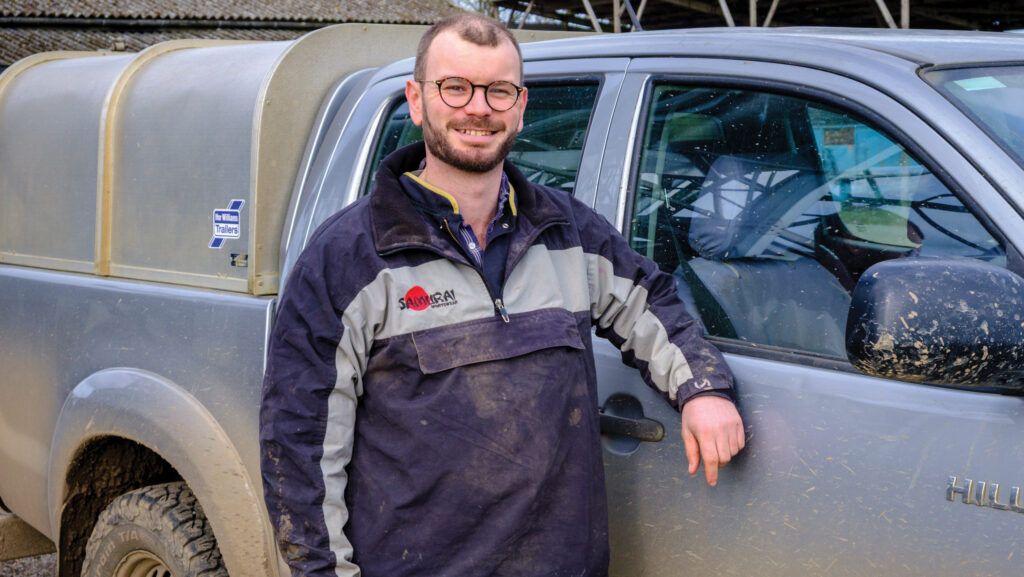 William de Feyter © Jason Bye
 “Mr de Feyter, this is so-and-so from the Environment Agency. Your holding has been selected for a random inspection; we would like to arrange a date to come and see you.”
My initial thoughts were: what have we done wrong to warrant an inspection, is my paperwork up to date, what if they find an unintentional breach of the rules, what will the consequences be if they do?
See also: 8 ways to prepare for tighter rules on water quality
About the author

Audits/inspections are something that we are used to considering. Each pig unit will have a minimum of three farm assurance audits for different schemes in a year, plus quarterly vet inspections.
But this felt greater and more demanding. A list of paperwork to be readily accessible for the inspection was sent out prior to the visit, which was useful, and thankfully we already had everything in place, so it was simply a case of pulling out the relevant files.
The inspection entailed a couple of hours in the office going through the requested paperwork, followed by a wander around the yard and a walk around the outdoor pig site.
The main concerns for the Environment Agency (EA) were nitrogen and phosphorus leaching from yards, and soils through run-off.
Fortunately, the site is flat and the run-off risk minimal. As soon as the muck is cleared at the outdoor pig sites, the ground is cultivated and Westerwolds ryegrass is drilled – this met the approval of our inspector.
I am pleased to say he found no non-compliances, but as expected, had a few suggestions we could implement to ensure best practice.
The inspector was not seeking to catch us out and while our views on the practicality of a few general suggestions differed, we did have positive and constructive conversation.
The EA target for random farm inspections is to visit 4,000 this year, increasing to 6,000 next year with their funding doubling to enable this to happen.
Their aim is to establish compliance within farming businesses and if non-compliances are found, then they will advise what steps need to be taken.
It is refreshing to see that a carrot (rather than stick) approach is the way they wish to conduct their business with farmers.
I didn’t dare ask if it was the same with the water companies.