

Farmer Focus: Lameness lessons to learn before next lambing
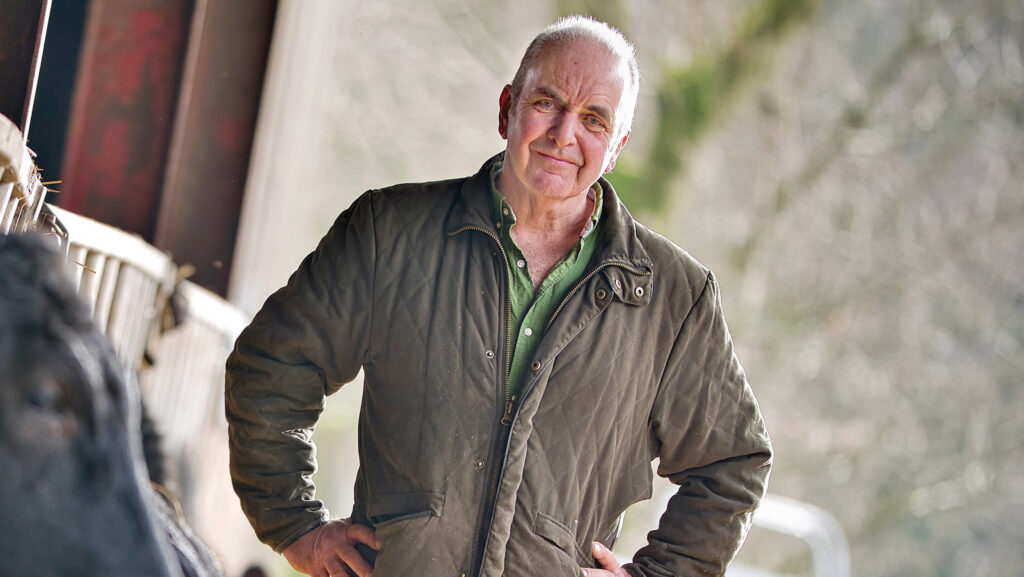 Edward Evans © Richard Stanton
 The March lambing group lambed well, with ewes in good condition, good strong lambs and plenty of milk.
The downside: having to pull more lambs than usual with heads and legs presented in all manner of ways, and the most difficult births usually occurring in the early hours each time.
Thankfully, no caesareans or trips to the vet.
See also: Tips on minimising soil compaction on silage ground
About the author
Lameness has also been an issue and, although we were running them through the foot-bath three times a week, we were too late in starting; the problem had already set in and all we succeeded in doing was hardening their hooves.
With treatment and turnout, there’s been a steady improvement, but we must do better next time.
By early April, it had begun to warm and dry up a little, and we managed to roll some silage fields that had been subsoiled last autumn.
These fields were drier, no water resting on the surface and a noticeable difference in grass growth between subsoiled and non-subsoiled areas of the same field.
On the whole, I am a machinery minimalist but I would never be without a subsoiler on the farm.
Although it’s a slow and tedious job, the benefits are obvious to see in the spring.
Back to lambing, and the April lambing group started steadily as the weather turned wetter and colder again.
Aberfield lambs out of Welsh ewes have been a good size and quickly up and suckling, as have the pure Welsh lambs.
Despite the weather some days, there have been no cases of lambs starving.
Each year, I marvel at their survival and the importance of shelter – but of course there will always be one that will lamb on the most exposed part of the field.
With the end of lambing now in sight, also coming into view is the end wall of the silage pit, and thoughts are now turning to the upcoming grazing season.
Before turnout, though, we shall complete a permanent electric fencing job.
The swallows are back and, on a bright sunny morning lately, it was a joy to be out and hard to believe the tragedies and the sadness in other parts of the world.
The buoyant lamb trade – and hopefully that will continue – will be needed, and more, to cover all the extra costs brought upon us lately.