

Advice on maintaining ewe condition to reduce mastitis risk
 © Tim Scrivener
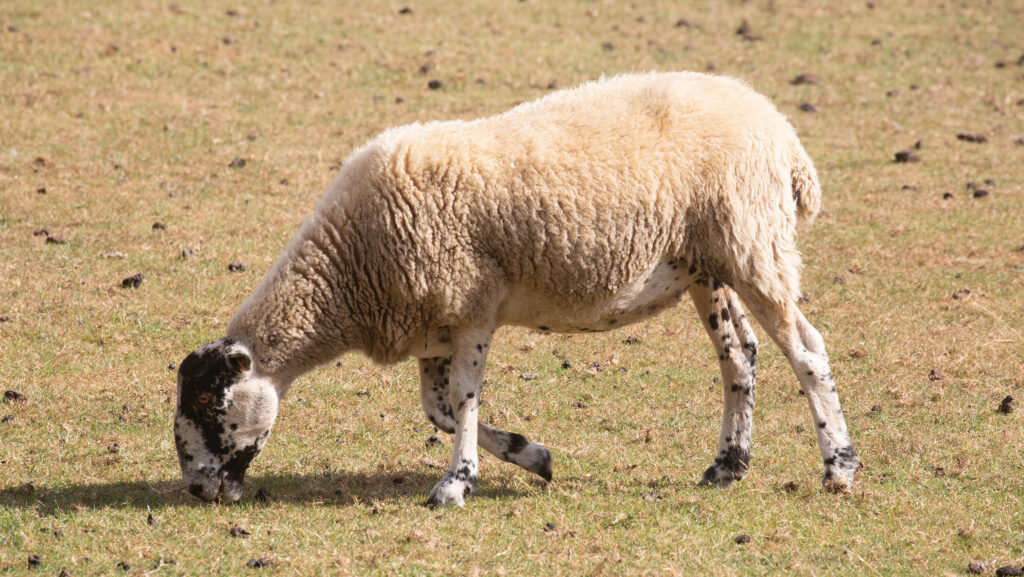
 Condition scoring the flock in September, then regrouping ewes to target forage stocks to thin animals (score 2.5 or less) will generate payback in spring.
Aside from more vigorous lambs and milky ewes at lambing, improving body condition gradually before tupping (and maintaining it) improves overall ewe health, says independent beef and sheep consultant Dr Liz Genever.
See also: How poor ewe condition hits flock productivity hard
“A healthy ewe on good feed now can gain one score on really high-quality grass by tupping, in mid-October. Most people will be prioritising this year’s lambs on their good feed, but they need instead to prioritise thin ewes,” says Liz.
“It’s been a tough year, yet making decisions now will reduce the proportion of thin ewes to tup and positively influence events in six months’ time. Without corrective action, it could result in more problems.”
© Tim Scrivener
Strong, healthy ewes get less mastitis
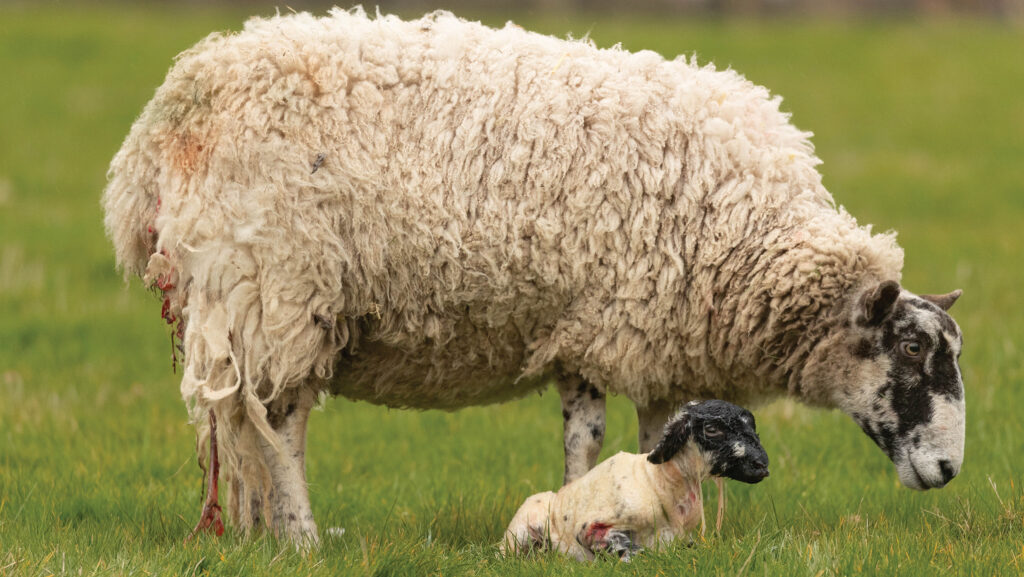
The additional bonus of having ewes in better condition is that they have stronger immune systems, even after giving birth, so are better able to withstand the triggers for mastitis.
Should conditions be tough at lambing – whether that means cold winds, wet weather or dirty pens – these fit, healthy ewes don’t succumb.
Nor are they at risk of physical trauma to their udder and teats from hungry lambs, because they can supply enough milk for them.
This link between poor ewe condition and mastitis is well known, says Liz, but has become particularly significant following AHDB’s Challenge Sheep project.
Following 11 commercial sheep farms over seven years, the study found that the most common cause of culling (accounting for 29% of culls) was mastitis.
It’s not possible to control the weather, and hard to mitigate all risk factors on a farm, so one of the surest ways to prevent mastitis is to make sure that ewes are robust and healthy.
Target year-round body condition score 4
Liz says poor body condition is an indicator of poor nutrition. Underfeeding and undersupplying protein and energy during pregnancy, are particular risks, and lactation increases the risk of mastitis.
Energy is needed before lambing to grow lambs; afterwards it drives milk production. But it’s also a key part of a ewe’s immune response, she explains.
“Better feed equals better immunity. Also, younger sheep are still growing and developing their udders so [a good diet affects] their ability to convert nutrients into growth, as well as produce enough milk for their lambs.”
However, meeting a ewe’s nutritional requirements and keeping her in good condition are important year round.
Challenge Sheep established that ewes scoring a consistent 4 at tupping, scanning, eight weeks and weaning had maximum lifetime performance.
Selecting the bottom 10-15% of the flock based on condition is a cost-effective basis on which to start making improvements, says Liz.
This should only be a small group of ewes to manage, to make it practical, and she suggests writing in the diary (or on a calendar) the proportion of ewes that “are thinner than you’d like, then track it for comparison next year”.
© Tim Scrivener
Don’t carry passengers when feed is short
When handling ewes for condition scoring, it’s a good time to recheck udders and teats as well for signs of damage, orf or infection from summer mastitis, she points out.
Doing so could identify more ewes for culling, which, in turn, will reduce pressure on grazing or stocks of supplement. Liz says the priority is not to carry passengers when feed supplies are short.
“Allocate the best feed to thin ewes – or supplement their diet – then reassess condition in one month,” she says.
“If they have had good-quality feed and not improved, the next step is to get vet advice, as it could be problems with teeth or parasites – a faecal egg count may be needed. Parasite burdens may be a challenge after late summer/early autumn rain,” she says.
“Evidence is that it’s not the right thing to tup lowland ewes scoring below 2.5 – it leads to fewer lambs and the ones born have poor growth rates. So if thin [otherwise healthy] ewes haven’t put weight on by tupping, they should be culled.”
Although it’s been a struggle to get condition on sheep this year (and forage stocks and finances are tight for many businesses), Liz is confident that flocks will benefit.
Spending £10-£15 on feed for a dry ewe can get a return on investment next spring, through more lambs, lambs that grow more quickly and better ewe fertility, she says. “It’s sad to cull or lose a ewe, but [feeding now] saves performance next spring and having to artificially rear two lambs.”
Supplementing thin ewes
Rotational grazing should produce good-quality, leafy grass delivering 12MJ/kg dry matter of metabolisable energy.
Ideally, graze at heights of 4-6cm, but where swards are below 4cm, there is a benefit from feeding concentrates, says consultant Dr Liz Genever.
Fatter ewes can be used to do a “tidy-up job” and graze down stalky paddocks.
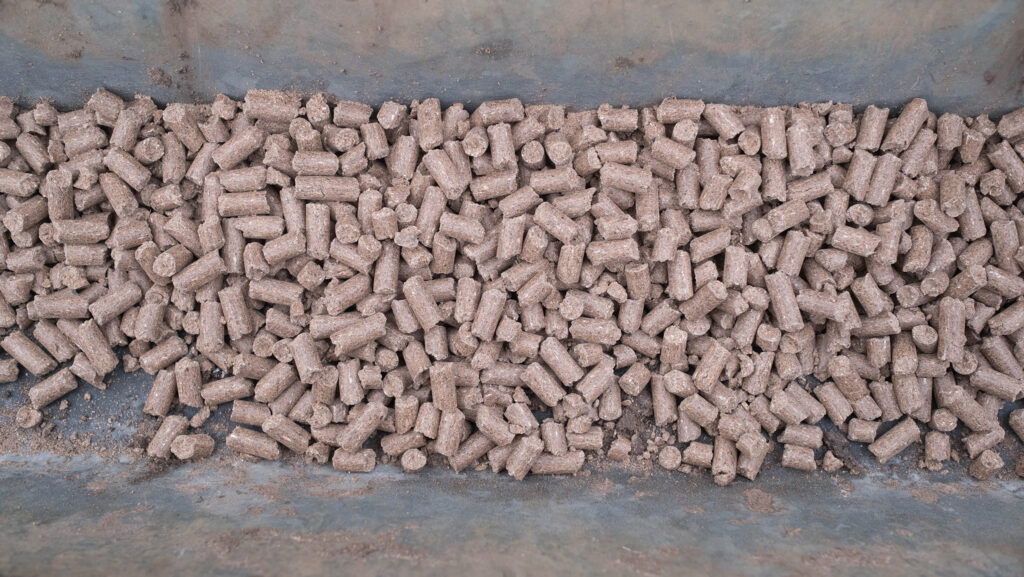
If forage stocks are limited and good-quality pasture is not available, Liz says feeding barley or spring oats through snackers or troughs is more effective than silage to get nutrition into ewes.
“Sheep prefer to graze, not eat silage or hay, so they take too long to [transition] onto it,” she adds.
Sacrifice paddocks and temporary housing
Using a sacrifice paddock for thin ewes will contain supplement feeding and allow other paddocks to rest. It also reduces a ewe’s energy requirements as she doesn’t have to walk so far to get good feed.
Another option for multi-site businesses is to house a thin group to reduce travelling time. It will add straw cost, says Liz, though this will be offset by reduced labour and diesel costs, time savings and better control over diets.
However, grass-fed ewes may “not have seen the inside of a shed or trough” and the challenge could be switching them onto alternative feeds.
Liz thinks that training younger ewes to such a system will become important in future, to ride out extreme weather patterns and fluctuating forage stocks.