

5 steps to achieve good pig farm biosecurity
 © Tim Scrivener
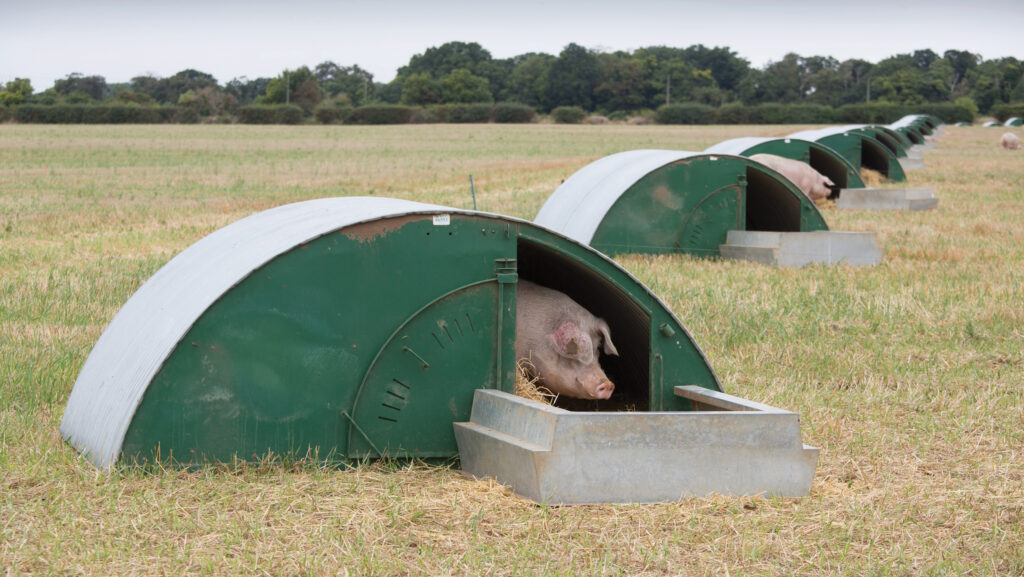
 Given the ever-present threat of notifiable disease African swine fever, Young National Pig Association members have made a range of pledges to help improve biosecurity on pig farms.
Everyone has a part to play – from farm owners, staff and vets to allied industry representatives – because effective biosecurity goes beyond the larger capital investments that only the business owner can make.
Two association members, vet Tom Hill of George Veterinary Group and outdoor pig producer Molly Gimson, explain five inexpensive, practical areas that everyone who works on, or visits, a pig farm can focus on to minimise the risk of disease coming onto farms.
See also: How a scoring tool can help close gaps in pig biosecurity
“It’s important that everyday routines such as visitor sign-in and foot-dipping are done consistently and that individuals are empowered to make changes if they spot something they can improve,” says Tom.
“As an industry, we need to keep working to ensure every person has a baseline level of knowledge of good biosecurity practice and an understanding of the reasons why.
“Putting all the basics in place makes a big difference.”
1. Visitor sign-in
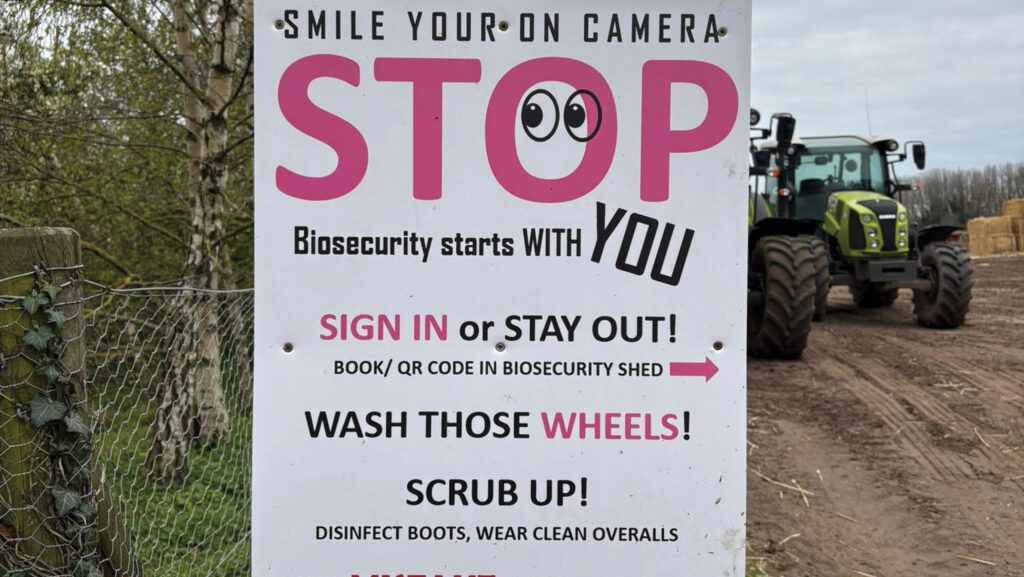
Molly has resolved to do her utmost to make it obvious to all her farm visitors where and how to sign in correctly.
At both farm entrances there is a biosecurity shed, where everyone entering the unit signs the visitors’ book and changes their boots.
Molly has made signs with bright pink lettering to help them stand out and make sure people stop.
© Molly Gimson
While pig transporters and feed company drivers might be used to pig unit biosecurity, the person who brings the portable loos or the rodent control contractor may not be as familiar.
So it is worth being ready to have a conversation and spread awareness, she says.
“For example, we can ask if they’d mind washing their wheels and check they know why we do it. If they don’t know, they don’t know.”
Visitor books allow producers to check people are actually following biosecurity policy, such as allowing the required pig-free periods before visiting.
And in the event of a notifiable disease, it enables tracking of people movements between farms.
Digital visitor books are being used increasingly often, with a QR code to take visitors directly to a simple online form, with space to include more information.
The time period to investigate a suspected notifiable disease can be much shorter with digital formats: details can be shared with authorities instantly.
Molly has both paper and digital options at the moment to make sure it is easy for everyone to sign in.
She also tries to avoid vehicles coming onto the unit if they do not need to.
Creep feed delivery drivers, for instance, are provided with a what3words reference for a designated roadside location nearby where they can drop off feed.
2. Effective use of boot dips
Boot dips are there to help stop disease-causing organisms being brought onto a farm.
They also have an internal biosecurity role within a herd when they are used before entering different age groups of pigs or different sites.
The first step for effective disinfection is to make sure any muck is cleaned off boots before dipping them, making sure to provide a nearby tap and brush.

Brush and disinfectant © Tim Scrivener
Many disinfectants do not work properly if they are in contact with organic matter.
The foot dip itself must be refreshed regularly and the label checked to make sure the disinfectant is correctly diluted.
“Good biosecurity is not just having a foot dip in place,” says Tom.
“People need to make sure they are actually dipping boots every time, not just walking past.”
3. Farm boots and overalls
Providing clean overalls and boots for every visitor and driver to change into is another effective way to minimise the risk of disease spread between farms.
Different sets of clothing are also provided on some farms for staff to change into to improve internal biosecurity as they move between departments.
A creation of clear barriers between “external” and “pig unit” changing areas is an important factor that is often overlooked, says Tom.
It is not always easy to change layout, but the aim should be to avoid walking into and out of the boot-changing area using the same door – otherwise there is some crossover between the external and pig unit footwear.
4. Cleaning needles and vaccination guns
Vaccination equipment touches every pig and, if not cleaned, can spread disease within a herd.
In an all-in, all-out pig system, there is a risk of spreading disease from one batch to the next if vaccination equipment is forgotten during between-batch cleaning and disinfection.
“Cleaning needles and vaccination guns after each use can be done quickly and easily using washing-up liquid,” says Tom.
Needles should also be changed regularly, and disposed of correctly, as blunt needles can affect vaccine delivery and reduce its efficacy.
Also, from a welfare perspective, they are more likely to cause the pig pain.
5. Sharing responsibility
All individuals need to feel empowered to take action themselves or to talk to others to make sure they are aware of farm biosecurity policies.
Everyone working on a farm can have a role in this, whether that is helping to remind new colleagues or stopping a stranger to ask who they are, and check they have followed visitor policies.
Allied industry representatives regularly move between farms and it is important that others help to inform them of good practice, particularly if they are new to sector.
This helps them take the initiative and ask for farm boots, or where to sign in if it is not obvious.
Signs of African swine fever
African swine fever (ASF) is highly contagious.
It can be spread if a pig eats infectious meat products, has contact with infected pigs, their faeces or body fluids, or contact with anything contaminated with the virus, such as people, clothing, vehicles and equipment.
The main signs include:
- Fever
- Reluctance to stand
- Loss of appetite
- Sudden death.
Other signs can include:
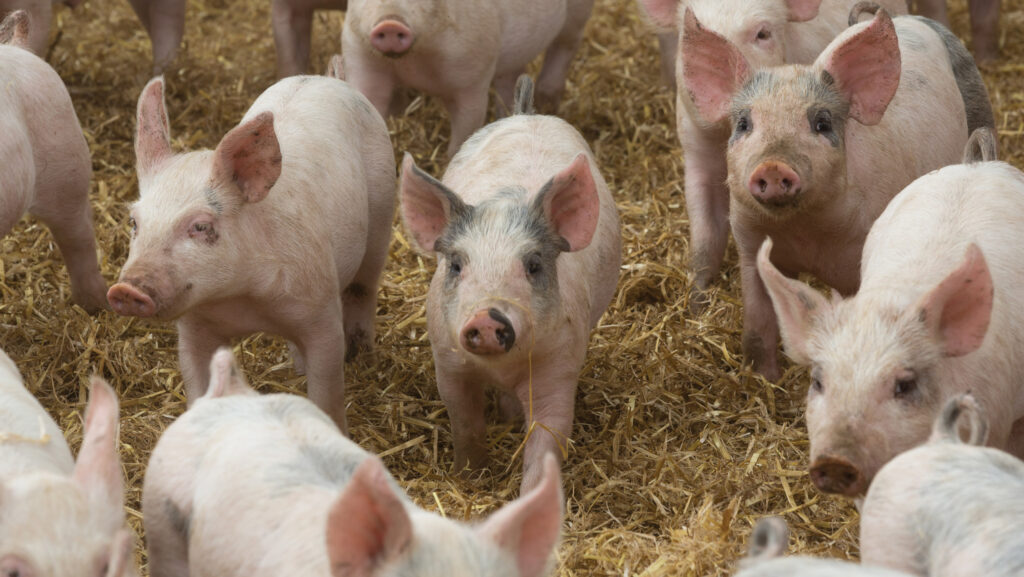
- Red or dark patches, particularly on ears and snout
- Discharge from the eyes and nose
- Diarrhoea.
© Tim Scrivener
“As well as the on-farm impacts if it were to arrive in the country, the UK would lose its disease-free status for ASF and exports would be stopped,” says National Pig Association chief policy adviser Katie Jarvis.
“It’s important that everyone who works on a pig unit is aware of the signs of ASF and a vet should be contacted for advice if there are any concerns.”
The legal requirement when suspecting a notifiable disease in livestock is to report it immediately. Failure to report suspicions is an offence.
- In England, call 03000 200 301
- In Wales, call 0300 303 8268
- In Scotland, call 03000 600 704.
Failure to report suspicions is an offence.
Defra’s African swine fever guidance