

Scotland declares nationwide bird flu prevention zone
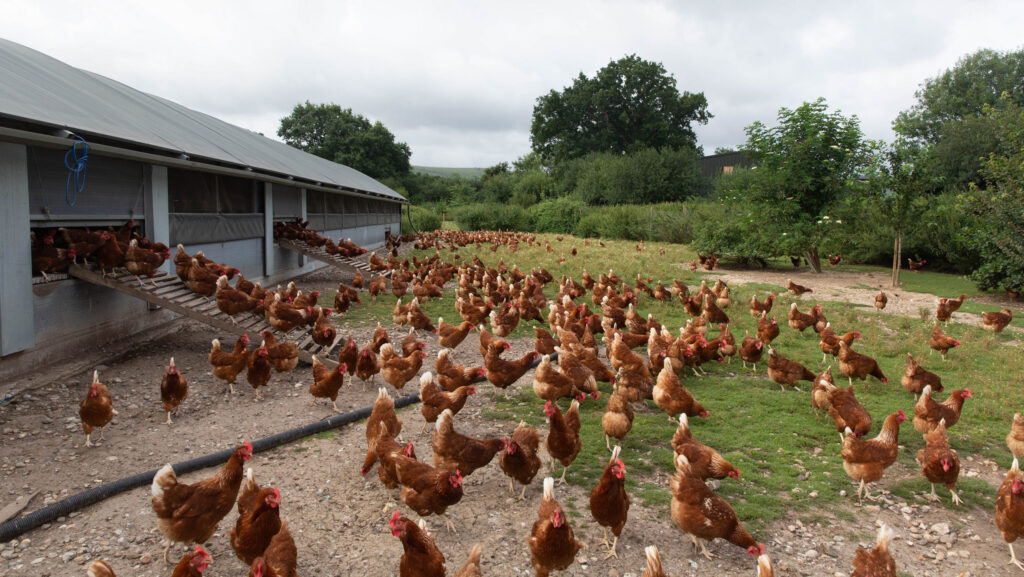 © Tim Scrivener
An Avian Influenza Prevention Zone has been introduced across Scotland, requiring poultry keepers to implement stricter biosecurity measures amid rising bird flu cases.
The new rules came into force at noon on Tuesday 10 November, following six outbreaks in commercial and backyard flocks across Great Britain since October.
See also: Avian flu confirmed at Lancashire poultry farm
Scotland’s chief veterinary officer Sheila Voas warned that migratory birds were increasing the threat of infection.
“While the risk to public health is very low, we are currently experiencing a heightened risk of an incursion of this virus from migratory birds and so it is vital that appropriate precautions are taken to protect poultry and other captive birds from infection.
“Maintaining strict biosecurity is the most effective method of protecting birds from the virus.”
The prevention zone will remain in place until further notice, with restrictions kept under regular review.
Public Health Scotland maintains that the risk to human health remains very low, while properly cooked poultry meat and eggs remain safe to eat.
Latest outbreaks
The decision comes amid increasing bird flu activity across Great Britain, with six outbreaks confirmed in kept birds since the start of the 2026-27 season, including two in Scotland and four in England.
Norfolk’s first confirmed autumn bird flu case of H5N1 was confirmed on 9 November at a commercial poultry unit at Dersingham. All poultry on the premises will be humanely culled.
This followed two confirmed cases of H5N1 on 7 November, at a commercial turkey and geese flock near Garstang, Lancashire, and a premises housing 14,000 free-range laying hens near Pocklington, East Riding of Yorkshire.
Of the six outbreaks, five involved H5N1 and one H5N5. Earlier cases were recorded in Northumberland and Lincolnshire, alongside two Scottish outbreaks on the Isle of Lewis and in the Scottish Borders.
Surveillance indicates the virus is circulating among wild birds across the UK, with the risk to poultry and other captive birds assessed as very high.
Strict biosecurity requirements
Under the new Scottish rules, poultry producers and backyard flock owners must strengthen measures to prevent contact between domestic and wild birds.
- Free-ranging poultry must be kept within fenced areas, with access to ponds, watercourses and standing water restricted.
- Keepers must also clean and disinfect footwear and equipment, minimise movement around bird enclosures and provide feed and water in enclosed areas.
- Domestic ducks and geese must be kept separate from other poultry, while wet or boggy areas should be fenced off to reduce contamination risks.
Bird keepers are urged to report suspected disease to the Animal and Plant Health Agency and ensure their flock details are registered and up to date.
Farmers Weekly understands that Defra is consdering the introduction of similar prevention zones measures for England.