

£25m EU aid package for UK farmers but questions remain
 © WestEnd61/REX/Shutterstock
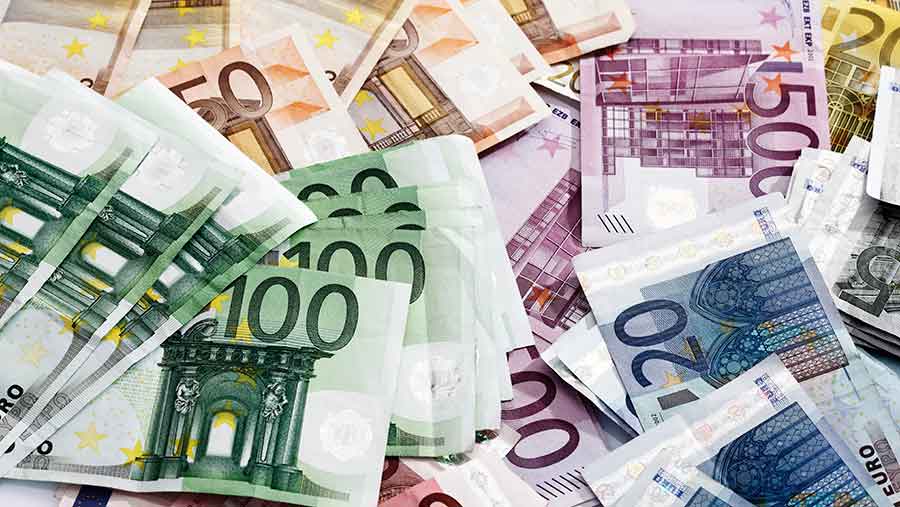
Brussels has unveiled a €500m (£415m) support package for EU farmers facing market difficulties, with an emphasis on alleviating pressure in the dairy sector.
But it remains to be seen how much UK producers will benefit from the measures, with farm leaders calling for clarification on exactly how the aid will be made available.
In financial terms, the package comprises £125m for dairy farmers who voluntarily reduce milk production across the EU and £290m split into so-called “national envelopes” for milk and other livestock producers.
See also: Farm ministers in talks over aid package
Of this £290m, the UK will receive just over £25m – the third-largest share of any EU country – with individual member states able to top up the amount by 100% if they so choose.
This is less than the £26.2m that was allocated to the UK last September, which paid out an average £1,800 a producer.
Part-payments
In addition, Brussels has given the go-ahead for 70% of 2016 direct payments to be made from 16 October 2016, rather than the usual date of 1 December.
But Defra refused to take advantage of a similar measure last year, and is likely to do so again this year.
That would put English producers at a disadvantage to producers in Northern Ireland, which has already said it will make 70% part-payments from 16 October.
Intervention
In another bid to support the dairy industry, public intervention for skimmed milk powder (SMP) has been extended until the end of February 2017, when the standard period resumes.
However, the ceiling up to which SMP is bought in at a fixed price stays at 350,000t until the end of December 2016.
Farm commissioner Phil Hogan announced the package at a meeting of European agriculture ministers on Monday (19 July).
The latest package meant Brussels had now mobilised more than €1bn (£835m) in new money to support hard-pressed farmers since last September, said Mr Hogan.
Flexibility
While welcoming the package, the NFU called for flexibility from both Brussels and Defra on how the money should be distributed.
Defra minister George Eustice favours more emphasis on measures that increase demand, rather than those that curtail supply.
NFU dairy board chairman Michael Oakes said in terms of a voluntary management scheme, UK milk producers had already reacted to market conditions by reducing output significantly.
Daily deliveries for the past two weeks of June were 9% lower than the same period last year, he added. “This is without financial incentive,” said Mr Oakes.
Ulster Unionist MEP Jim Nicholson said if some member states co-funded aid measures, but others did not, there would immediately be an imbalance between producers in different countries.
“The European Commission is trying to solve a long-term problem with a short-term intervention,” he said.
The first aid package did little to help dairy farmers on the brink of bankruptcy, so they will have little faith that the second package will make much difference either, he added.