

Costs and climate drive regenerative farming shift
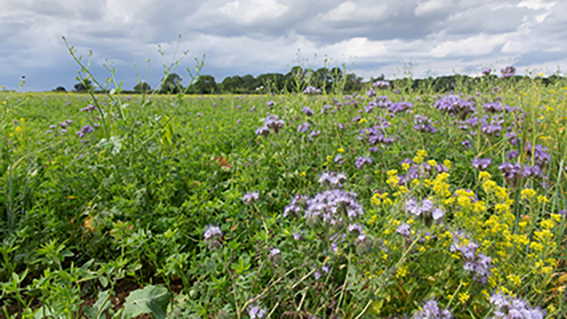 © Tim Scrivener
 Rising input costs and increasingly unpredictable weather are accelerating the shift towards regenerative farming, according to new research from Barclays.
The bank’s latest survey of its agricultural customers found that 56% of respondents have already adopted regenerative farming practices, while a further 24% plan to do so.
The report, Resilience in the Field: The evolving case for sustainable and regenerative agriculture (opens in PDF), suggests the move is being driven as much by commercial pressures as environmental ambitions.
See also: Lloyds Bank and Wildfarmed team up for new funding scheme
Two-thirds of respondents identified rising input costs as their biggest challenge over the next 12 months, while 77% said they had already experienced the effects of changing climatic conditions on their farms.
Of those, 72% reported drought, 71% greater weather variability and 55% increased rainfall.
Practical steps
Many farmers said they were already taking practical steps to improve resilience.
Nearly two-thirds (65%) have reduced pesticide or herbicide use, with a further 14% planning to do so.
More than half (52%) have adopted technology to improve efficiency, while another 30% intend to invest in new systems.
The survey also found many businesses are planning changes without external support.
More than 60% of respondents developed their transition plans themselves, while only 22% worked with an independent adviser.
Value of data
Barclays said farmers increasingly recognise the value of environmental data, with 78% saying they would be willing to share evidence of sustainable farming practices with their bank if it helped secure lending.
Wayne Astridge, head of agriculture and landed estates at Barclays Business Bank, said: “This survey tells us that, as an industry, we have matured our understanding of the business case for transition.
“Whether the drivers of that change are commercial, environmental, or a combination of both, the fact that 80% of surveyed farmers tell us they are already adopting or planning to explore regenerative and sustainable agriculture practices is significant and worth exploring.”
Mr Astridge added that the findings also highlight that many farmers are making complex investment decisions largely by themselves, “while facing significant cost pressures and climate volatility”.