

Hare coursing sentencing rules to consider harm to farmers
 © Tim Scrivener
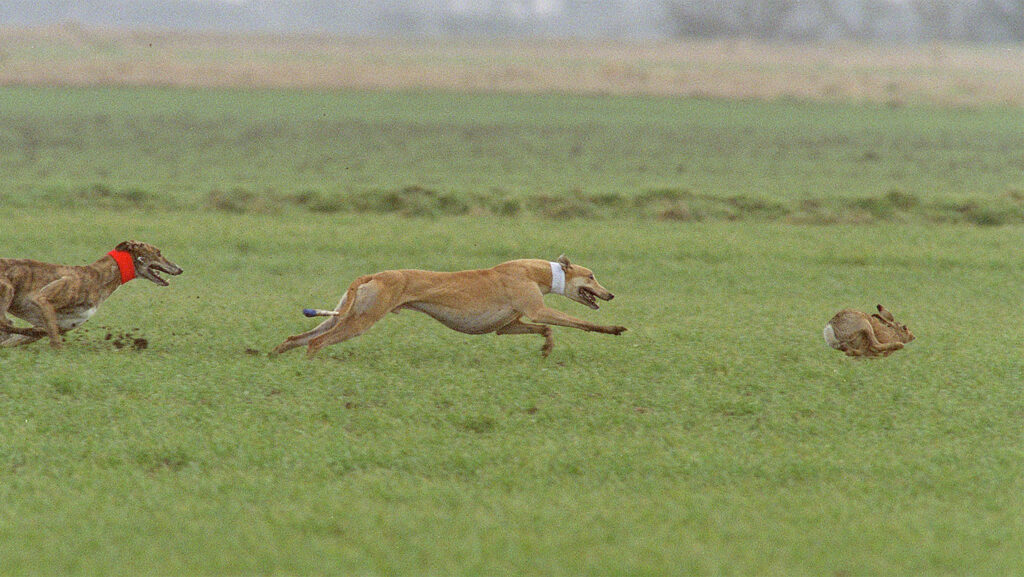
 Courts will be required to take greater account of the impact of hare coursing on farmers, rural communities and the countryside under new sentencing guidelines published this week.
The Sentencing Council has issued a definitive guideline for hare coursing-related offences, due to come into force from June 2026, aimed at bringing greater consistency to sentencing and ensuring courts properly reflect the harm caused by offending on farmland.
Farming organisations including the NFU and Country Land and Business Association (CLA) have welcomed the tougher approach, saying it reflects long-standing concerns that previous sentencing failed to deter repeat offending or recognise the wider impact on rural communities.
See also: Hare coursing attacks leave Essex farmer fearing for safety
Police involved in Operation Galileo, the national initiative targeting hare coursing, have also warned of increasing links between coursing gangs and wider organised rural crime, including theft, intimidation and criminal damage.
New guideline
© Tim Scrivener
The new guideline covers offences introduced under the Police, Crime, Sentencing and Courts Act 2022, including trespass in pursuit of hare coursing, being equipped for the activity, and associated daytime and night-time trespass offences.
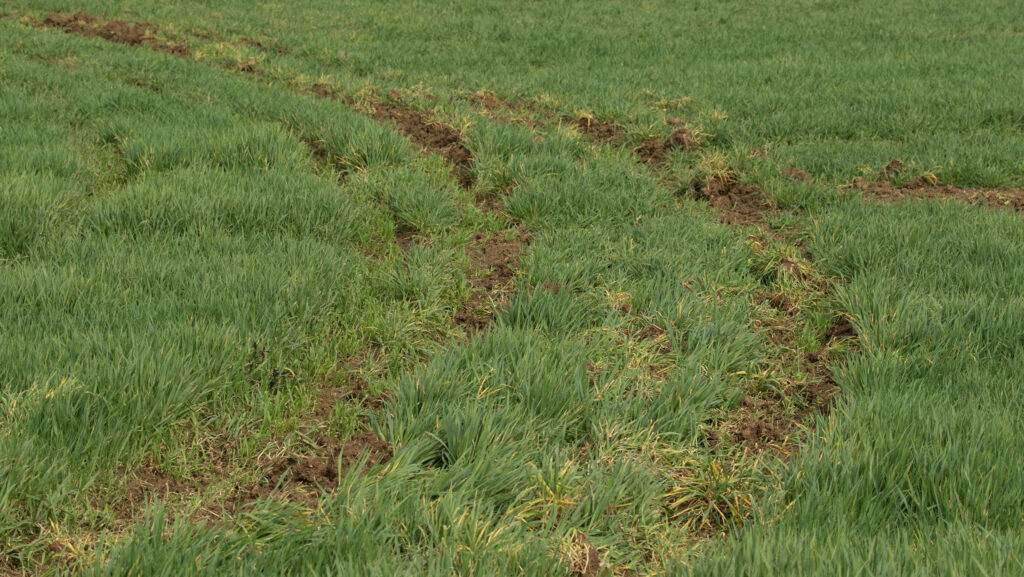
It introduces clearer aggravating factors for judges to consider, including the use of social media to promote offences, breaches of community protection notices, and cases involving serious damage to property, land, crops or wildlife habitat.
The guidance also expands the definition of serious harm to include distress, injury or loss of life to animals, alongside wider disruption to farming businesses and rural infrastructure.
Sentencing starting points have also increased, with the most serious offences now carrying a top starting point of 18 weeks’ custody.
Courts are additionally directed towards dog disqualification orders and recovery orders, allowing offenders to be banned from owning dogs and required to pay seizure and detention costs.
Until now, there have been no specific sentencing guidelines for hare coursing offences.
His Honour Judge Simon Drew KC, a member of the Sentencing Council, said the changes reflect the “real harm” caused by hare coursing.
“Illegal activities associated with hare coursing cause real harm – to wildlife, to property, to farmers and their families and to the wider rural communities that often deal with the repercussions of this aggressive crime,” he said.
New guideline welcomed
NFU vice-president Robyn Munt said: “Hare coursing doesn’t just damage farmland, it leaves a lasting emotional scar on farming families, many of whom are left feeling vulnerable, isolated and fearful of going about their daily work.
“These new guidelines send a clear message that this crime will be treated with the seriousness it deserves, and that courts must consider the full impact on victims and rural communities.”
Country Land and Business Association’s national lead on poaching and hare coursing, Claire Wright, said: “Hare coursing is a brutal crime with far-reaching consequences, so we welcome the new sentencing guidelines.
“Coursing impacts not only wildlife but also the safety, wellbeing and livelihoods of those living and working in the countryside.
“Courts must take cases seriously and deliver the strongest sentences possible to send out a clear message to offenders.”
The National Wildlife Crime Unit also welcomed the framework, saying it would help deliver more consistent justice across England and Wales.
Essex farmer targeted
The changes come amid continuing reports of intimidation and damage linked to organised hare coursing gangs.
Last week, Farmers Weekly reported how Essex farmer Matthew Register, near Dunmow, had recorded more than 200 incidents in the past year and warned offenders were becoming increasingly brazen.
Farmers are being urged to report all incidents and avoid confrontation, with police stressing the importance of live reporting to improve response times and enforcement.