

AI monitoring technology helps protect curlew in Wales
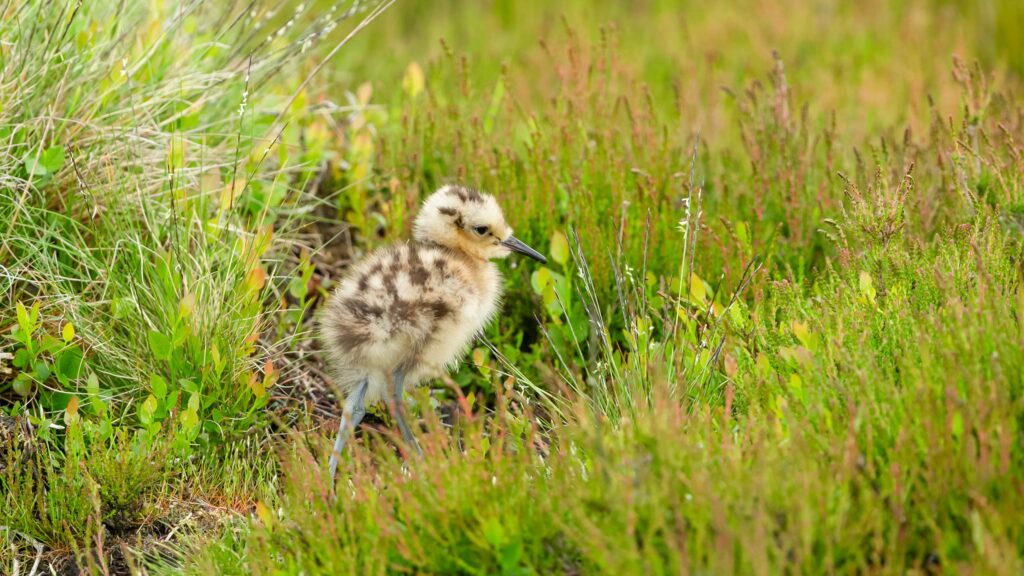 Curlew chick in the grass © Adobe Stock
 Conservation work to detect and protect curlew and other ground-nesting birds in Wales have been given a helping hand by new AI monitoring technology.
The Game & Wildlife Conservation Trust (GWCT) and Liverpool John Moores University teamed up to train a new real-time object detection model, called YOLOv10, to spot and recognise curlew and their chicks – with encouraging results.
In addition, the system learned to recognise 25 other species, including foxes, deer and rabbits, by combining a pre-existing conservation AI database with nearly 39,000 images from across the UK.
See also: Yorkshire farmers set up group to preserve endangered curlew
The study saw researchers test the system’s ability to monitor curlew and their chicks at 11 sites across Wales during the 2024 nesting season, and it correctly identified curlew more than 90% of the time and made no false positive detections.
Katie Appleby, curlew and people officer for GWCT Wales said: “The new AI model performed really well in detecting curlews and after working with the system to enhance the detections it became extremely reliable in understanding the curlew behaviour and movements around the nest sites.”
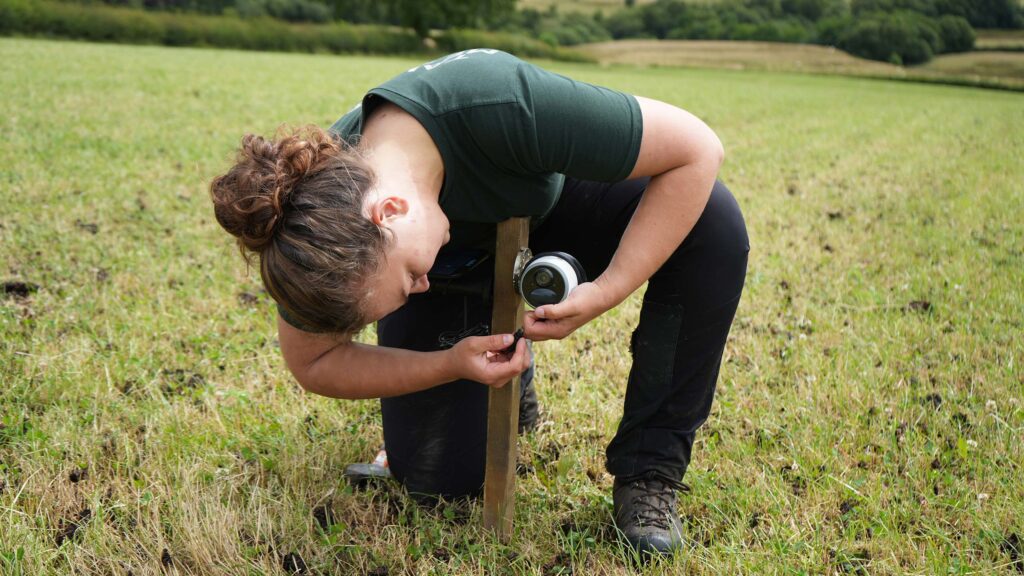
Kate Appleby installing a camera © GWCT
Real-time monitoring
When using traditional trail cameras, images would need to be sifted through manually, but now the team is able to see in real time what is happening and spot the chicks when they hatch.
Lee Oliver, director for GWCT Cymru, said making use of the technology would help the team deliver better results on the ground.
“Time my team would have spent in the field, manually retrieving and processing images from camera traps, can now be spent implementing practical measures to protect curlew,” he said.
The researchers proved that the model was able to filter out blank images triggered by moving vegetation and could also reliably identify curlew chicks, despite their natural camouflage.
“The use of AI technology is advancing rapidly, and in the field of ecological research is a game changer,” added Mr Oliver.
Almost disappeared
Andrew Owen, a third-generation beef and sheep farmer in Llandinam, Powys, said curlew used to be all around on the farm when he was growing up, but over the years had pretty much disappeared.
When he saw them return, Mr Owen was determined to help them in any way he could, and signed up to the Curlew Connections project, as well as the study involving AI cameras.
He has had up to 10 cameras at a time across his fields and land.
“Having the cameras on the land has been really helpful, and we can watch the nests and know exactly when they’re hatching.
“Because the chicks move around a bit, with the cameras and also using the GWCT’s drone to survey the field around the nest, we can then decide what to do, for example if we cut silage or if we have to let it be for now,” he explained.