

Beaver releases approved for River Ness despite farming concerns
 © Rhiannon Law/NatureScot
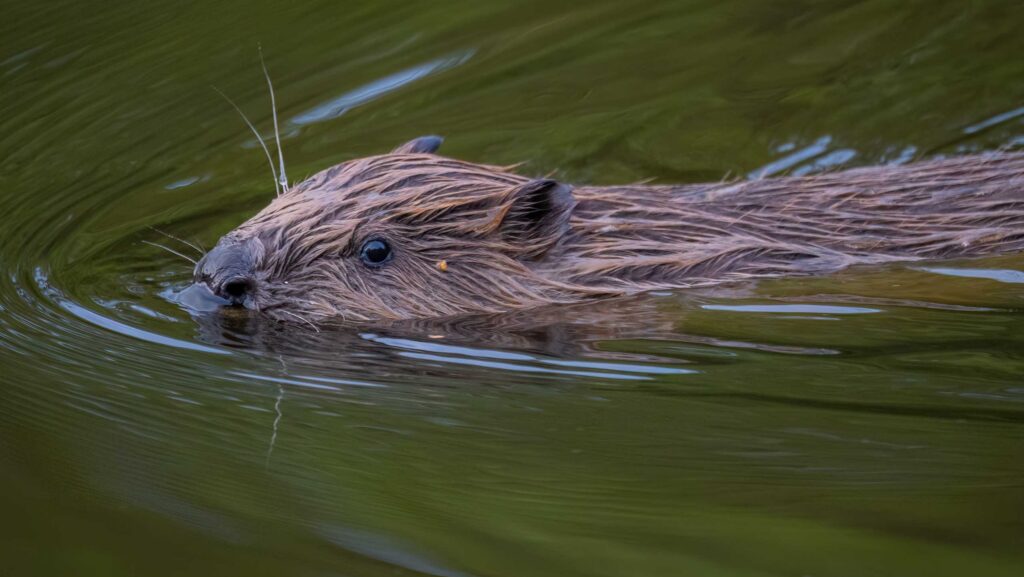
Up to 15 beaver families could be released into Scotland’s River Ness catchment despite concerns over potential damage to farmland and rural infrastructure.
NatureScot approved a licence on Monday, 2 November, allowing conservation charities Trees for Life and the Beaver Trust to release Eurasian beavers at agreed sites over the next three years.
See also: Beavers granted protected status in Wales
The decision forms part of Scotland’s Beaver Strategy 2022-45, which aims to expand the species’ range and support biodiversity.
However, NFU Scotland said that while it recognised the ecological benefits of beavers, further releases must be accompanied by effective measures to protect farmland and rural businesses.
Vice-president Robert Neill said: “Experience from across Scotland shows that beaver activity can have significant impacts on productive farmland, infrastructure and rural businesses through flooding, damming and burrowing.
“As beaver populations continue to expand and further translocations are considered, it is essential that farmers and crofters have access to effective mitigation measures, appropriate support and the ability to take action where serious conflicts arise.”
He stressed that managing existing populations must remain a priority, with meaningful consultation before further releases.
Effect on farming
Farming was the most frequently raised concern during consultation, particularly flooding caused by dams and riverbank damage from burrowing.
NatureScot identified potential effects on low-lying farmland in Glen Moriston, along the River Endrick, around Fort Augustus and in Stratherrick, although the catchment’s predominantly steep, rocky terrain was expected to limit damage.
The agency confirmed it does not compensate farmers for beaver damage, but offers practical assistance and licensed intervention to prevent serious losses.
More than 73% of consultation respondents supported the proposals.
NatureScot wildlife management director Robbie Kernahan said: “We have assessed the monitoring and mitigation plans set out by the applicants and believe that, along with our existing Beaver Mitigation Scheme, any potential conflicts that may arise can be resolved.”
Release imminent
Beavers can create wetlands, improve habitats for wildlife and help regulate water flows during floods and droughts.
The first seven family groups are earmarked for release between autumn 2026 and spring 2027, with a local monitoring group established to address emerging conflicts.
Animals will be relocated under licence from areas where they damage prime agricultural land and mitigation has failed or is impractical.
All will undergo health screening.
Although beavers are present nearby, NatureScot considers natural establishment of a genetically diverse population unlikely in the short term.