

Wales’ curlew project benefits from £1m government grant
 © Adobe Stock
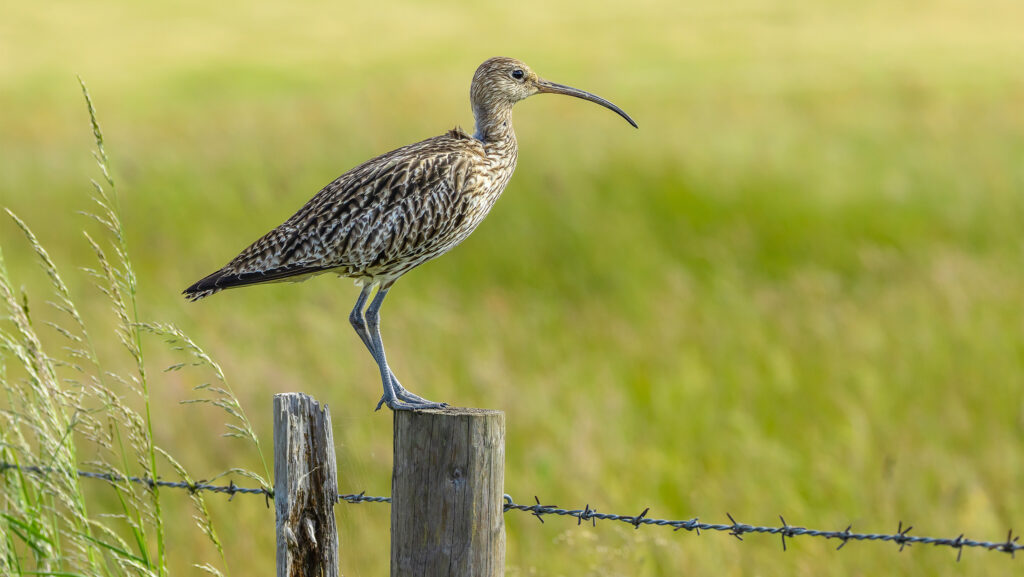
 A new conservation project aimed at reversing the decline of curlew populations in Wales is set to work closely with farmers in Powys after securing nearly £1m in government funding.
The Game & Wildlife Conservation Trust (GWCT) Cymru will lead the Gwlad y Gylfinir – Land of the Curlew initiative across mid-Wales, building on the work of the outgoing Curlew Connections Wales project, which concludes this month.
Backed by a £921,700 grant from the Nature Networks Fund, the project will employ two officers dedicated to supporting farmers on the ground.
See also: AI monitoring technology helps protect curlew in Wales
Their role will include helping to locate and protect curlew nests, offering training, and encouraging both new and existing farmers to adopt conservation measures.
Expanding efforts
For many farmers, the initiative represents a continuation of practical, on-farm support that has already shown results.
The previous three-year Curlew Connections Wales project worked directly with landowners and rural communities to safeguard breeding sites, using tools such as thermal imaging drones to identify nests and electric fencing to protect them from predators and livestock.
Project manager Julieanne Quinlan said the earlier scheme highlighted the value of community-led conservation.
“This new funding will allow us to continue vital conservation work across Powys,” she said.
Declining numbers
Curlews, once a familiar sight in the Welsh countryside, have seen numbers fall sharply due to habitat loss, changes in farming practices, increased predator pressure and climate change.
According to GWCT, there may now be as few as 500 breeding pairs remaining in Wales, with the species at risk of disappearing as a breeding bird by 2033 without intervention.
GWCT Wales director Lee Oliver said the organisation is keen to strengthen partnerships with farmers and landowners.
“We’re excited to continue working with local communities, landowners and partners to protect this iconic species for future generations,” he said.
The wider Nature Networks Fund is investing £15m across 28 projects in Wales to restore biodiversity on land and at sea, with farming communities expected to play a central role in delivery.