

Sheep needed to reduce risk of wildfires, says NSA
 © Tim Scrivener
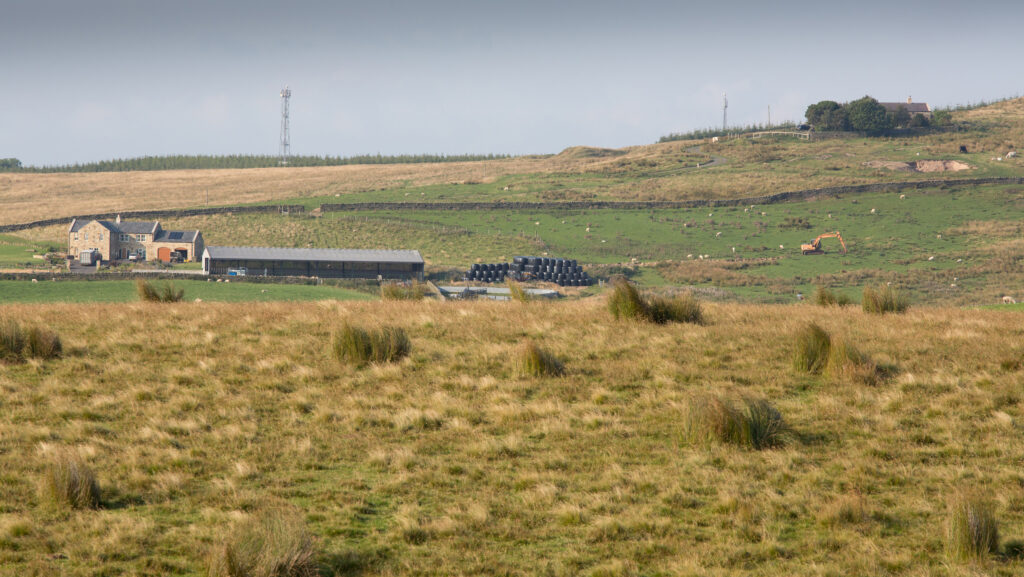
 Grazing livestock can play a crucial role in reducing the risk of wildfires, according to the National Sheep Association (NSA).
A reduction of livestock numbers in the uplands, as a result of changes to government policy, has led to large areas of ground left ungrazed and posing a greater risk of wildfires.
The NSA is warning that with fewer sheep grazing the ground and tighter restrictions on controlled burning, dry vegetation is building up across vast areas and leading to larger moorland fires.
See also: Meat body urges Defra to rethink SFI legume fallow rules
Extreme temperatures are also having an impact, with heatwaves making wildfires increasingly prevalent.
NSA policy manager Michael Priestley said: “The intensity and frequency of recent wildfires is concerning. Although wildfires are not a new phenomenon, the warmer, drier weather we are experiencing is a factor in increasing incidents.
“Government policy has spent the last 20 years reducing grazing across many upland landscapes.
“While those policies were introduced with good intentions, they have often tipped the balance too far, leaving large areas with little or no grazing and an ever-increasing build-up of combustible vegetation.
“Grazed grass initially grows back green and lush, and is far less flammable.”
The NSA is calling for a balanced approach to grazing on the uplands, alongside appropriate management practice such as controlled burning.
Mr Priestley added: “Hill farmers have managed these environments for generations.
“They should have a greater voice in deciding what level of grazing is appropriate for their land, rather than being constrained by blanket prescriptions that do not reflect local conditions.”
Joint approach to wildfires
Landowners, farming businesses, and the fire service are working on a joint approach to reduce the risk of wildfires in Scotland.
Kenny Barbour, head of prevention at the Scottish Fire and Rescue Service, said: “We are seeing a change in trend with regard to wildfires, which highlights why collaborative prevention work is key to mitigating this.
“Effective response depends on strong co-ordination between emergency services, land managers, and rural businesses, both in preparing for incidents and in responding quickly when they occur.”
Ross Ewing, director of moorland and strategic projects at Scottish Land & Estates, added that large wildfires could not be tackled in isolation and require a co-ordinated, landscape-scale response.