

SPS deal with the EU due to be agreed next month
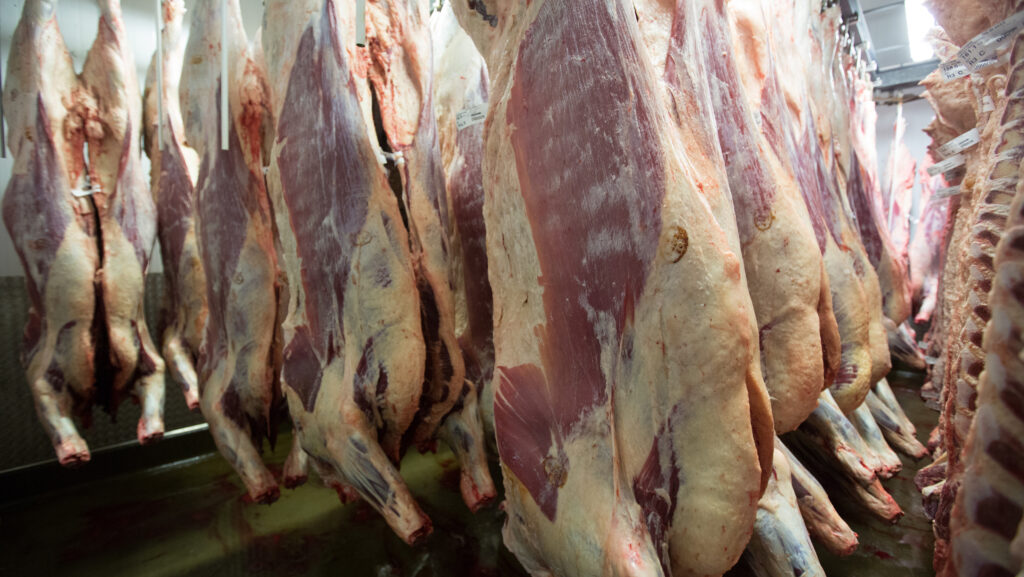 © Tim Scrivener
 A sanitary and phytosanitary (SPS) agreement with the EU is scheduled to be agreed between parties on 13 July, according to senior UK and EU officials, with regulatory alignment set to come into force 12 months later in mid-2027.
The EU remains the UK’s largest trading partner and an SPS agreement should reduce paperwork and trade frictions, especially for red meat exports.
However, sticking points remain as a result of dynamic alignment with the EU, including concerns from industry around the potential loss of pesticides and gene-editing advances.
See also: Fresh produce body warns SPS deal ‘shifts’ border costs
In an address to delegates at the AHDB’s Red Meat Export Conference, Defra farming minster Dame Angela Eagle said an agreement with the EU would cut costs and remove trade barriers for exporters.
Dame Angela said: “You will all be aware of the routine border checks that red meat goods are subject to, 100% documentary checks and up to 30% physical checks.
“An SPS agreement would remove these, while strengthening our internal market and improving trade between Great Britain, Northern Ireland, and the EU, but we’ll only agree a deal that’s firmly in the UK’s national interest.”
AHDB chairman Emily Norton added that the EU is the UK’s largest, closest and most established market.
“Discussions around the potential UK-EU SPS agreement are so important, even relatively small improvements in friction, cost, or process will make a very real difference,” she said.
The proposed date in July is expected to co-inside with a planned UK-EU Summit.
What an agreement means for the UK
SPS agreements are basically to protect biosecurity risks, according to Annette Kliemann, first counsellor for agriculture and food at the EU Delegation.
Although she says it covers more than just food safety, and includes live animals, organics, and marketing standards.
Ms Kliemann said dynamic alignment means EU rules will have to be followed by the UK in a timely manner.
“The UK has asked for exceptions in the areas of animal welfare, new technologies and public health.”
Ms Kliemann added the UK will be treated like an EU member state for agri-food trade, but will be a decision shaper rather than a decision-maker and won’t be able to vote.
Louise Leighton-McTague, a deputy director at Defra, focusing on border readiness for an SPS agreement, suggested that an agreement would benefit the UK meat sector by removing export health certificates, reducing the number of border checks, cutting the amount of paperwork, and simplifying supply chains.