

NFU sets out vision to secure future of British sheep farming
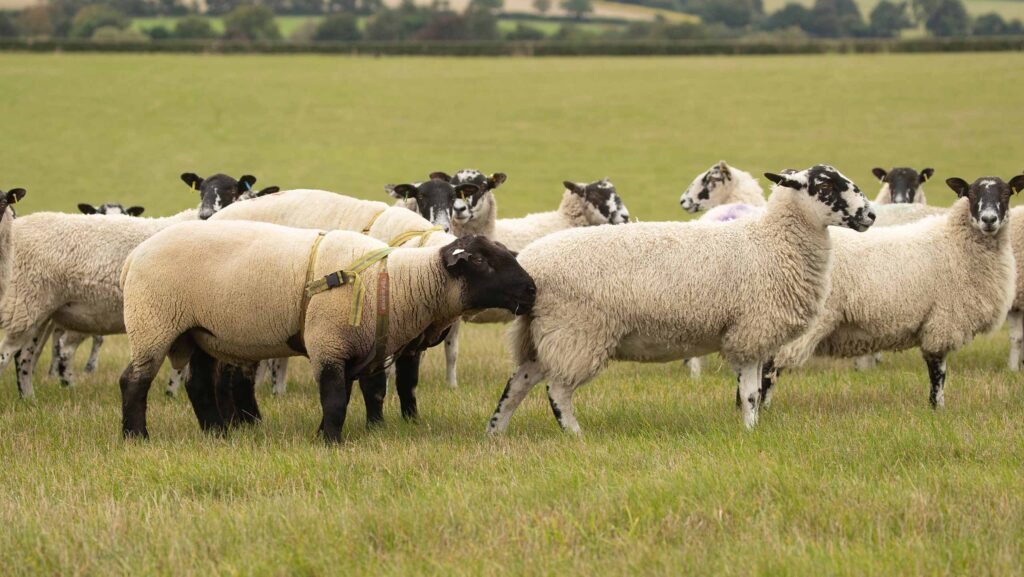 © Tim Scrivener
 The NFU launched a new vision for the British sheep sector, urging stronger government support and policy changes to help sheep farmers stay profitable and resilient amid mounting economic and environmental pressures.
Unveiled at the Devon County Show on Friday 22 May, the report, Supporting British Sheep Farming, outlines how the sector can work with government and the wider supply chain to strengthen food security, improve environmental outcomes and support long-term business viability.
See also: Analysis: What future for sheep farming in the uplands?
The UK sheep flock currently stands at about 30.5m animals and contributed £1.6bn to the economy in 2023, according to the NFU.
Key priorities
Among the report’s recommendations are calls for all current lamb castration and tail docking methods for lambs up to seven days old to remain available under future animal health and welfare policy.
The NFU is also urging Defra to examine removing sheep from specified risk material (SRM) requirements, which would mean sheep carcasses would no longer need to be split during processing.
Other priorities include maintaining strong border controls and biosecurity measures against exotic diseases and ensuring Environmental Land Management schemes properly recognise the role of grassland and livestock farming in delivering environmental targets.
The union also wants the Rural Payments Agency, AHDB and industry bodies to monitor compliance with the new Sheep Carcass Classification Scheme to ensure fairness for producers.
Pressure on producers
NFU national livestock board vice-chairman Clare Wise said sheep farmers were operating under “unprecedented challenges” and producers were “under extreme cost pressures for feed, fuel and fertiliser, exacerbated by the war in the Middle East”.
“This together with a decline in support payments and an unpredictable climate and extreme weather, has undermined confidence and threatened the viability of many sheep farming businesses, particularly those in the uplands.”
Ms Wise said the industry needed co-ordinated backing from government, processors and the wider supply chain to remain competitive while maintaining high welfare and environmental standards.
“This will give sheep farmers the confidence to invest in their businesses and maintain breeding capacity, drive growth and build a resilient, sustainable and thriving sheep sector, one that can meet increasing demand at home and abroad.”