

Rural resilience promised in Plaid Cymru election manifesto
 © Matthew Horwood
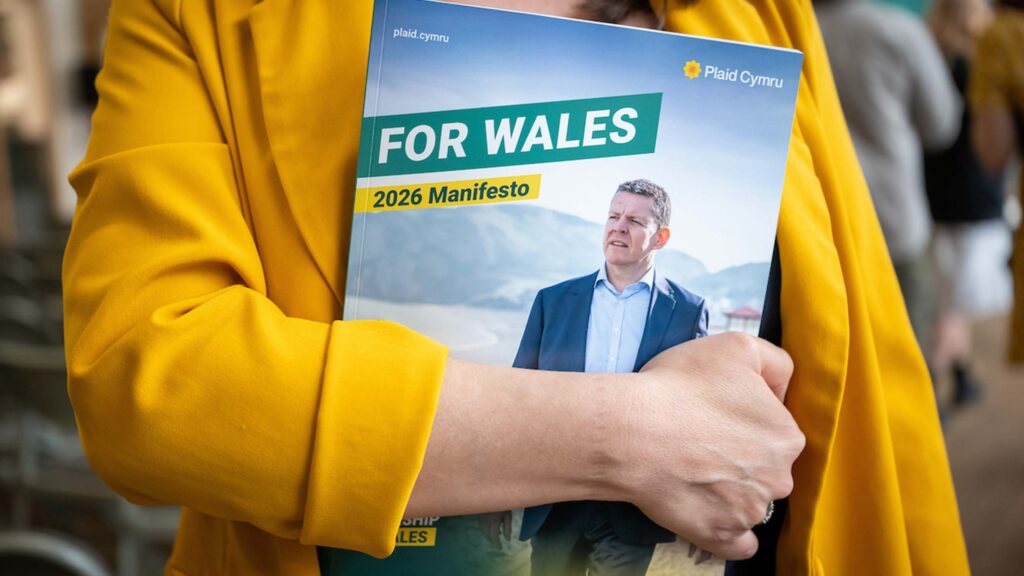
 Plaid Cymru has launched its manifesto for the Welsh Senedd election, pledging to tackle climate change and biodiversity loss while prioritising energy independence, food security and the resilience of rural communities.
The party is seeking to win over farmers on 7 May with promises of targeted support for agriculture, reforms to the Sustainable Farming Scheme (SFS), protections for productive land, and plans to implement a science-led approach to tackling farm pollution.
See also: Welsh Labour launches manifesto for Senedd elections
Party leader Rhun ap Iorwerth described the vote as the “most important since the dawn of devolution”.
“It is an election which offers real hope for the future of Wales,” he said, contrasting his party’s plans with what he called Labour’s “record of managed decline”.
Sustainable Farming Scheme
Plaid Cymru’s manifesto, titled For Wales, places the SFS at the heart of its rural offer.
The party says it would work “in strong collaboration” with the farming community as the scheme is implemented and refined, aiming to support “thriving and sustainable” farm businesses that produce food while delivering environmental outcomes.
A multi-year funding cycle for the SFS, using the first one-year budget as the baseline, is also part of the plan.
Other key commitments include:
- Commissioning an independent review of the bureaucratic burden on family farms.
- Adopting a science-led, outcomes-based and risk-proportionate approach to managing nitrate vulnerability, moving away from “farming by calendar” rules and supporting new technologies to reduce agricultural water pollution.
- Maintaining robust biosecurity standards and using the TB Technical Advisory Group’s advice in a new approach to bovine TB that recognises wildlife as a source of infection and allows “scientifically validated” control methods.
The manifesto also promises protection for high-quality agricultural land from large-scale corporate carbon-offset plantations and “excessive” solar developments, while making it easier for farmers and rural communities to invest in their own renewable energy projects.
Plaid Cymru says it will also promote succession and new entrants into farming, working with the Development Bank of Wales to support young farmers into the industry.
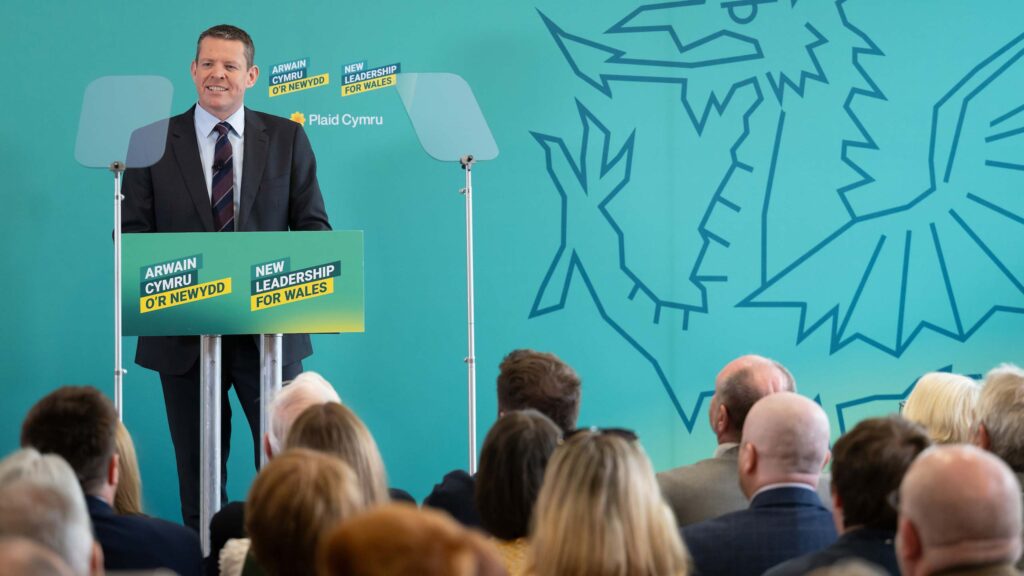
Rhun ap Iorwerth at the manifesto launch in Wrexham © Matthew Horwood
Tree planting
Tree planting has been a contentious issue in Wales since Brexit, with the previous Welsh Labour government criticised over its targets.
Plaid Cymru says woodland expansion remains key to restoring nature, improving air and water quality, cutting flood risk and tackling climate change, and argues Wales has yet to “fully realise” the potential of timber as a sustainable resource.
The party pledges to:
- Promote tree and hedge planting, helping farmers integrate trees into businesses through agroforestry, small-scale commercial forestry and biochar.
- Prioritise native woodland creation, restoration and mixed woodlands, while protecting high-quality farmland and avoiding corporate plantations created solely for carbon offsetting.
- Extend tree and hedgerow cover targets to publicly owned or managed land.
The manifesto frames this as putting “the right tree in the right place” rather than encouraging blanket afforestation on productive land.
Relations with Westminster
To protect family farms, Plaid Cymru says it will press the UK government to ensure that any changes to inheritance tax do not undermine farm succession in Wales, and to commit to standing up for Welsh farming in future trade deals.
It further pledges to seek continued and improved access to European and other markets for Welsh food and drink.
NFU Cymru’s priorities
With less than four weeks until polling day, NFU Cymru has reiterated its own priorities for the next Senedd and Welsh government.
NFU Cymru president Abi Reader said: “In a world which is increasingly volatile and unpredictable, there is now an important opportunity to make sure Welsh agriculture, the food we produce, the jobs we support and the landscape we care for are all at the front and centre of this election campaign.”
The union is releasing a series of case study videos to remind politicians of the union’s key asks, starting with the need for a strategy “with ambitious targets and supporting policy” to sustainably grow Wales’s food and drink sector while securing a continued supply of “safe, high-quality and affordable food from Wales”.
“Working with the next Senedd and Welsh government, I want to ensure that potential is realised by ensuring we have the right policy and regulatory environment,” Ms Reader said.