

First cases of Shamonda virus detected in GB cattle
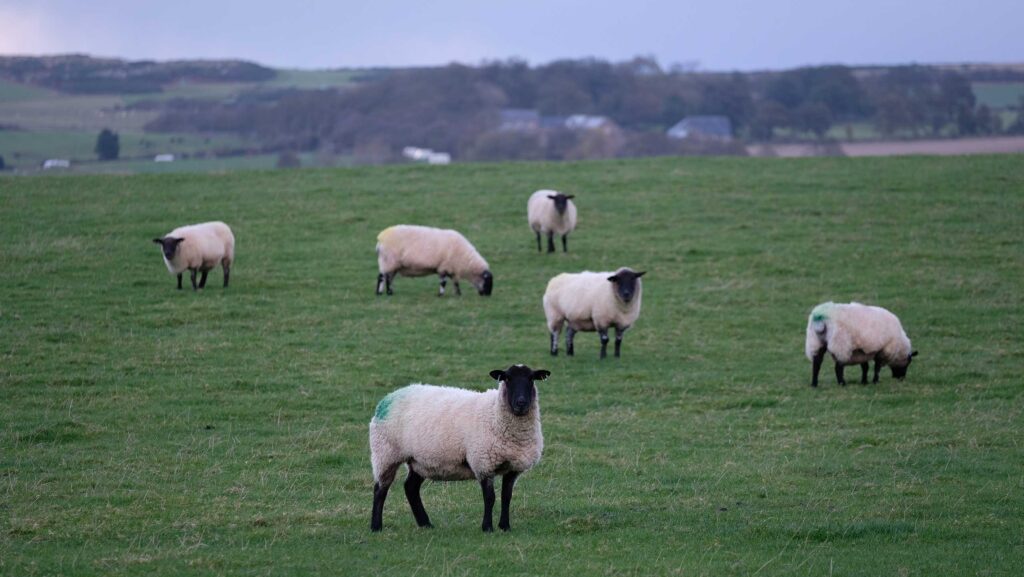 © Tim Scrivener
Sheep farmers are being urged to report suspected disease after the first cases of the midge-borne Shamonda virus were detected in Great Britain.
The virus was identified in cattle on dairy farms in Powys and Shropshire in October, following testing by the Animal and Plant Health Agency (Apha) at its Weybridge laboratories.
See also: Farmers urged to watch for Shamonda virus
The detections follow the spread of Shamonda virus across several European countries during 2026, predominantly affecting cattle, with recent cases also reported in Jersey and the Republic of Ireland.
Apha said the findings were not unexpected, given the virus’ spread across Europe.
Although no acute disease has yet been reported in sheep or goats, congenital abnormalities associated with infection during pregnancy have been documented in both cattle and sheep in Europe.
Remain vigilant
The National Sheep Association (NSA) is encouraging farmers to remain vigilant, particularly when monitoring pregnant animals and investigating reproductive problems.
NSA chief executive Phil Stocker said: “The cases are concerning and are another symptom of changes in disease spread across the continent.
“They show the importance of our national surveillance, and of livestock keepers reporting unexpected and suspect cases of sick animals to their vets.”
Mr Stocker added that these are “very early days” and keepers “should not be overly alarmed”, with the cases appearing at a time of year when midge activity has slowed.
Clinical signs
Clinical signs associated with Shamonda virus include fever, diarrhoea, reduced milk production, abortions and foetal malformations.
Neurological symptoms have also been reported, although less frequently.
Laboratory testing is required to confirm infection because symptoms can resemble those of other livestock diseases.
Shamonda virus is not a notifiable disease, and there is currently no licensed vaccine or specific treatment.
Veterinary care is limited to managing symptoms, with diagnostic testing available through Apha.
Farmers are reminded, however, that bluetongue is notifiable, and suspected cases must be reported immediately to Apha on 03000 200 301 in England or 0300 303 8268 in Wales.
In Scotland, farmers should contact their local field services office.