

Editor’s View: APR – a late gift and a hard lesson for farmers
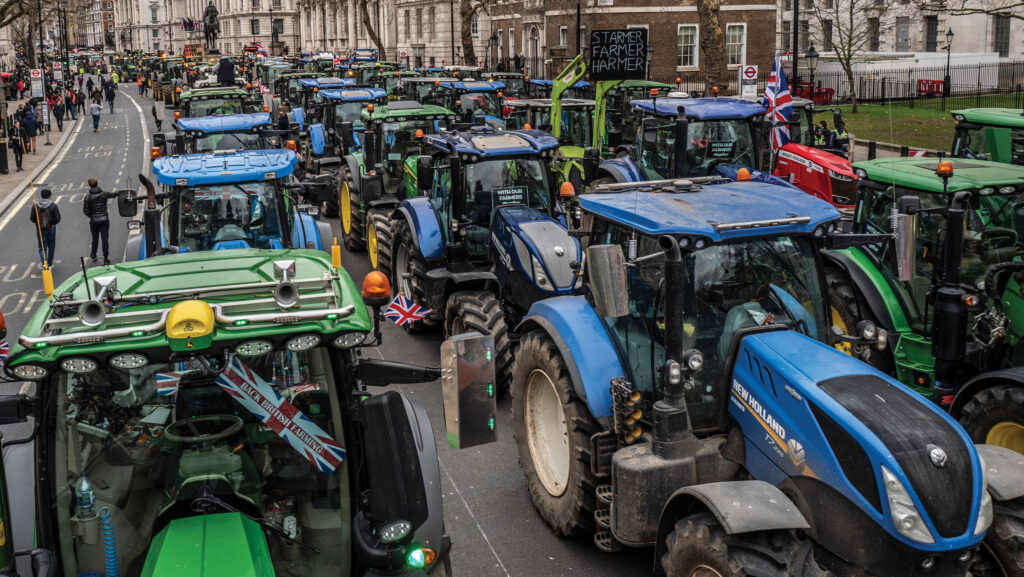 © Phil Weedon
By now, most readers will be well aware of the last-minute gift the government has slipped into farmers’ stockings: an increase in the agricultural property relief (APR) and business property relief (BPR) thresholds from £1m to £2.5m.
The announcement came just two days before Christmas, following a full year of protest, lobbying and relentless pressure from across the farming industry.
So what has changed in the final full week of 2025? By all accounts, the turning point came at the prime minister’s bruising December appearance before the Liaison Committee.
See also: Relief for farmers as IHT threshold rises to £2.5m
About the author

What should have been a routine pre-Christmas hearing turned into a public dressing-down from his own side.
Lancaster and Fleetwood Labour MP Cat Smith set the less-than-festive tone, forcing Sir Keir Starmer to admit he was aware that some farmers were considering “expediting their own deaths” in order to avoid the looming APR changes.
A big lump of coal for a boy on the naughty list, if ever I saw one.
But even before that encounter, the government was on the back foot. It has been weakened by numerous crises, and Labour is polling some of the lowest levels of support for a party in power ever recorded.
Against that backdrop, the political calculations around APR began to shift. Until recently, those lobbying for change had focused on parliamentary arithmetic.
APR policy has been played like a game of hokey cokey – ruled out, ruled in, then partially reversed
The assumption was that it would take a rebellion of 80 MPs on the Finance Bill to force any meaningful change. But with political authority draining away from the government, the embarrassment threshold fell sharply.
Under these circumstances, it was felt a rebellion of just 40 MPs would have been enough to dominate headlines, expose division and encourage further concessions.
Number 10 obviously reached the same conclusion. There was clearly little appetite for starting 2026 with another wave of grim headlines about a Labour government punishing elderly and terminally ill farmers.
The partial climbdown on APR reflects that reality as much as it does any newfound sympathy.
Defra ministers are no doubt hoping the move will allow them to reset relations with the rural community in the new year.
But for many farmers, the lesson of 2025 has been a stark one: political assurances are fragile, and promises can evaporate quickly. APR policy has been played like a game of hokey cokey – ruled out, ruled in, then partially reversed.
And the Sustainable Farming Incentive has been taken for a similar dance. Farmers have been left out of pocket – spending money on planning, or losing income they were led to believe they could rely on.
Rebuilding trust will not be easy. As our latest Sentiment Survey shows, Labour’s credibility in rural Britain is threadbare at best.
So what next? The uncomfortable truth is that farmers will need to take greater control of their own destiny.
Next month, the Oxford Farming Conference gets under way, and its new report speaks directly to this challenge.
It urges farmers to think seriously about how to make their businesses resilient, adaptable and fit for a changing world. In other words, “investible”.
That shift in mindset may prove essential.
As 2025 has shown, the long-term future of farming cannot depend on last-minute seasonal gestures of goodwill from Westminster.