

Editor’s View: Glyphosate’s loss is a matter of when, not if
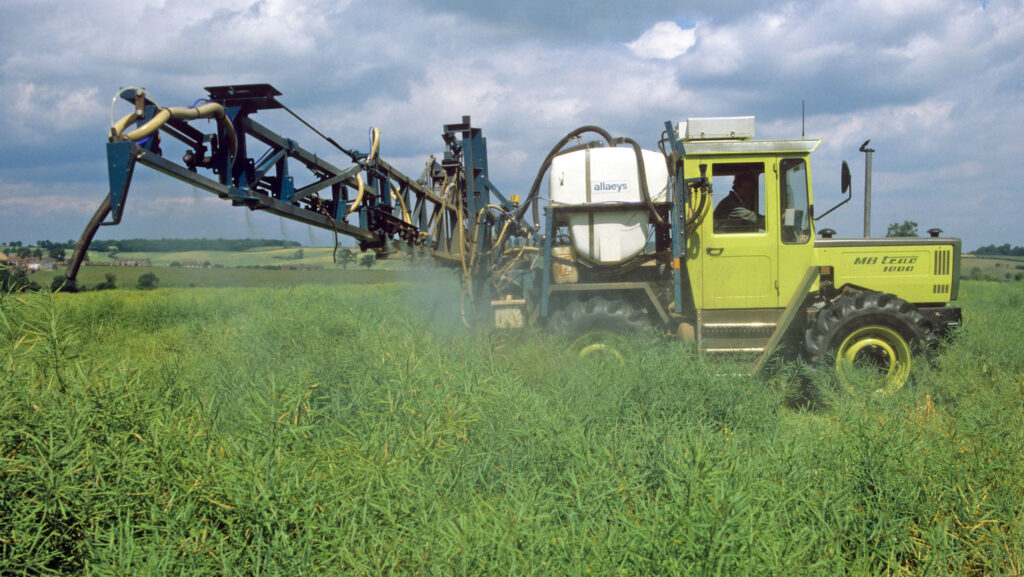 © Nigel Cattlin/Alamy Stock Photo
 The Soil Association’s latest broadside against the pre-harvest use of glyphosate this week is a canny piece of campaigning.
The practice – particularly common in wetter areas – is likely to be banned by the forthcoming dynamic alignment deal with the EU anyway, as it’s already prohibited in the bloc.
So they’ll get to take credit for something that would probably have happened anyway and it’ll be trebles of Oxford Rye Organic Vodka all round. Chin-chin.
See also: Row intensifies over pre-harvest glyphosate use
About the author

Next up: the Farmers Weekly campaign for the government to commit to tariff-free food imports, a relaxed approach to illegal meat imports and no return to area payments.
I reckon we might win this one – will lay down some Old Peculiar just in case.
Of course, calls for a pre-harvest ban ignores British farming’s brilliant track record in the safe use of pesticides, with no bread or wheat flour tested in 2024 found to contain levels of any product above the maximum residue level.
This is a measure of the highest amount of product expected to be found if it has been applied and used correctly, and it’s often well below the limit where it is deemed to be safe for human consumption.
Scant regard has been paid to the impact that it will have on farmers in Scotland and northern England.
Campaign signatories representing a host of well-meaning organisations (only one of which is located further north than Nottinghamshire) wrote a letter to Defra secretary Emma Reynolds to press their case.
They breezily suggest funding for farmers to implement new techniques; government decision-making based on independent science; and attention given to the potential need for transition grants to support farmers to adapt.
That implies if only farmers were capable of a bit more blue sky thinking then the solution would become obvious.
But the reality is for many there is no solution that would not end up drastically cutting down the number of crops deemed to be viable.
Even for staples such as barley it can – in a harvest like 2024 – be the difference between a saleable crop and absolute disaster.
And yet. And yet. What this latest spat illustrates is our sector is remarkably reliant on this chemical.
Usage in the past couple of decades may have soared in most part due to harmful alternatives being taken off the market, as well as a shift to fewer cultivations.
But just because it was done for the right reasons doesn’t get round the fact that the UK arable sector has built an ever-larger amount of its output atop a single point of failure.
And that link in the chain is already showing signs of weakness, with glyphosate-resistant Italian ryegrass found on farms in Kent, Gloucestershire and North Yorkshire last year.
The reason this campaign stings is we’re simply not ready for the consequences of life without this chemical, even if it is only partially withdrawn.
And I think even the Soil Association and its allies would privately admit the chances of Defra and the devolved governments adequately supporting growers through such painful adjustments are slim to none.
Yet whatever the outcome of the campaign, that work must start in earnest immediately.