

Editor’s View: Resilience stocks need replenishing
 © GNP
© GNP There is one word that has appeared time and time again in Farmers Weekly over the past few years. Resilience.
We encourage resilience in the face of drought, flooding, volatile markets, changing policy and animal disease.
But perhaps we don’t talk enough about what resilience actually is. Because it’s not just about pushing your body and mind to their limits.
See also: Advice as drought pressures dairy forage stocks
About the author

Every challenge takes something from a business – whether that be cash, time, confidence or energy.
And unless those things are replenished, even the strongest businesses become more exposed to the next setback.
For many, that feeling will be all too familiar. This summer has been a perfect example.
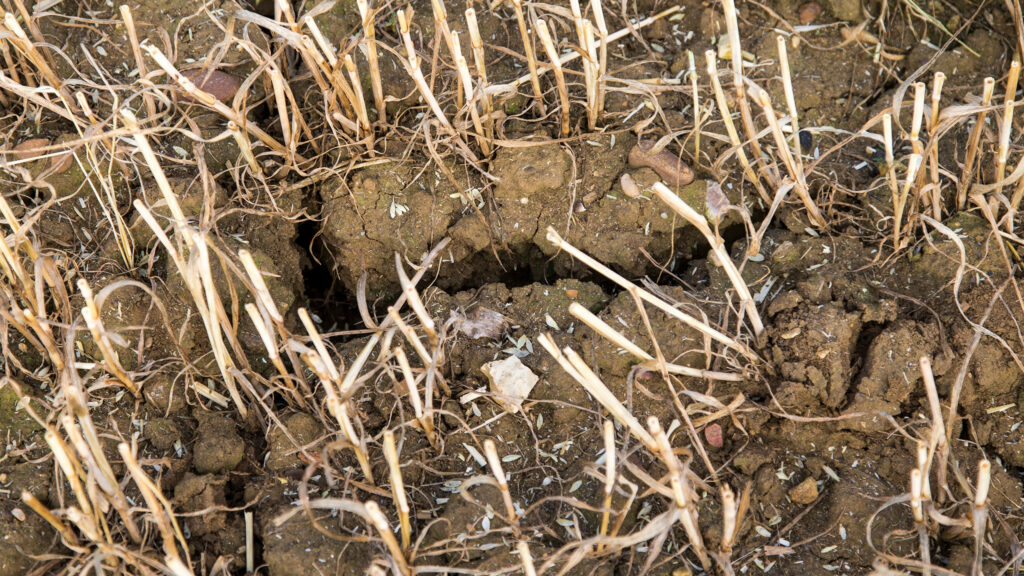
Drought has tested crops and forage supplies, bluetongue continues to cast uncertainty over the livestock sector and some are desperately hoping for rain, while others are already wondering whether too much of it later in the year could create an entirely different set of problems.
The fact is no one can accurately predict the next crisis.
But every business can take steps to become less dependent on one customer, one supplier, one person or even one weather event.
Of course, all of this relies on profitability. No amount of planning can compensate for a business that isn’t making enough money to reinvest.
But farmers can’t control commodity prices, animal disease or government policy.
They can control how exposed they are to those external pressures though – and that’s where resilience begins.
It’s a theme that runs through this week’s magazine. In the livestock section, farmer Jim Logan reflects on redesigning his sheep enterprise to reduce its reliance on a relatively small number of high-value animals.
Elsewhere, dairy farmers are being urged to plan now for the possibility that this autumn does not deliver the rain that rescued forage stocks last year.
Waiting and hoping is one strategy, but building contingency into the business is another.
And in arable, experts remind us there is no silver bullet for resilience.
It is the accumulation of small improvements – healthier soils, stronger rooting, greater water-holding capacity and better crop establishment – that help businesses weather increasingly volatile seasons.
The lessons remain the same across all sectors. So, how can you make your business more resilient?
I wonder if farming can borrow an idea from other industries – and, even, gasp, the government.
A risk register. Not necessarily all the paperwork, but the thinking behind it.
You can start by asking what the biggest risks to your business are; which would have the greatest impact and – most importantly – what one practical step could reduce that risk before it becomes a crisis.
The answers won’t always involve major investment.
They might be backing up data to protect against cyber attack, ensuring there’s a way to keep the business running if illness or injury struck, having a clear plan for dealing with an activist incursion, or considering how the business would cope if a supplier, processor or service provider was suddenly unable to operate.
None of those actions eliminates risk, but each one makes the business a little less fragile.
Because, ultimately, resilience is about ensuring when the next shock comes – and it will – it doesn’t become the one that takes your business down.
It’s one of the most valuable assets any farm business can build, but resilience isn’t unlimited.
Maybe it’s worth taking some time this autumn to replenish your stocks.