

Opinion: It’s time for NFU to revisit suckler cow headage payments
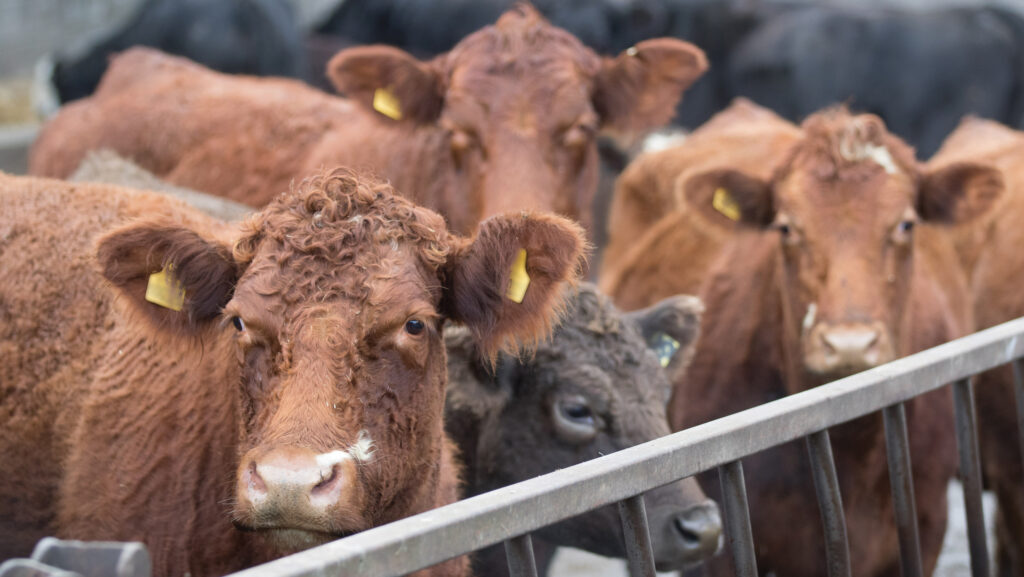 © Tim Scrivener
 As we all know, UK beef cow numbers continue to contract at an alarming rate despite better beef prices over the past two years.
But when will the English NFU start to address the issue of our rapidly disappearing national suckler herd by proposing beef cattle headage payments to halt or even reverse this trend?
As Farmers Weekly reported recently, last year alone saw the beef breeding herd drop by 3.1% to 1.24m head.
This means that, in the past decade, the UK suckler herd has declined by 20% (representing a loss of 313,000 cows).
See also: Opinion – forget the hype, the ‘Clarkson effect’ is a myth
About the author

So far, most of the drop in suckler cow-derived beef production has been made up by rearing bull calves born to dairy cows (usually crossed to pedigree Aberdeen Angus using sexed sperm).
But this can only go on for so long as dairy cow numbers are also in decline due to a combination of falling demand for dairy products and the relentless increase in the productivity of each dairy cow.
I run almost 100 suckler cows on my farm, but they are not kept for profit as much as to provide appropriate grazing for my agri-environmental agreement commitments, with Natural England keen to conserve flora-rich grassland and traditional landscapes.
So, while I’ll be keeping my beef cows, farmers who do not have agri-environmental grazing commitments have to look at their suckler cows in a more hard-headed fashion.
Unless their cows can produce a profit in their own right, they cannot afford to keep them.
Things started to go wrong financially for suckler cows in 2005 when they were “decoupled” from headage payments.
As many readers will remember, a marked change in farm policy occurred, whereby instead of beef farmers receiving an annual subsidy payment of about £250 a head a year for each cow they kept, they were given a flat-rate acreage payment whether they kept any cattle or not.
At the point of this so-called decoupling, there were more than 2m suckler cows in the UK.
By 2030, the AHDB now forecasts numbers will drop below 1m head.
Throughout much of the 2000s I did make myself rather unpopular in senior NFU circles by arguing against decoupling and pointing out the policy risked farmers reducing food production, including a severe reduction in suckler cow numbers.
For my trouble I got a letter from the NFU chief economist at the time titled “Freedom to farm, not obligation to produce”, in which it was described as “politically naive” to suggest subsidies encouraging food production were better than a decoupled subsidy.
But it’s time for the NFU to revisit the issue of headage payments for suckler cows given that, no longer subject to the EU’s CAP, England can make its own farm policy.
I say England, because Scotland is already leading the way with its £40m Scottish Suckler Beef Support Scheme, which provides roughly £100 a calf to support suckler herds and improve herd efficiency.
The UK currently imports more than 30% of the beef it consumes and, if the decline in our national suckler cow herd continues at its current rate, that alarming percentage can only increase.
It’s time, then, that Britain’s most powerful farm lobby changed tack and started to advocate an English Suckler Beef Support Scheme.