

Opinion: Land values defy the realities of farming
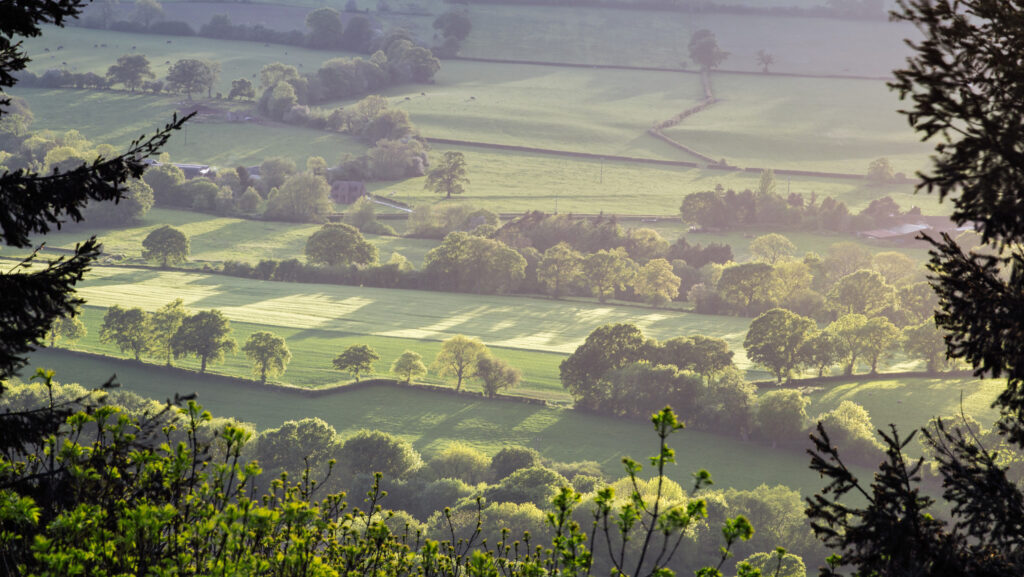 © Adobe Stock
 My grandfather, William “Bill” Stanley, began farming in the late 1920s, some years into the great agricultural depression which followed the First World War and lasted until the outbreak of the next one.
His account of this time from his unpublished memoir reads like a passage from Farmer’s Glory, that seminal work by the great Farmers Weekly columnist AG Street.
See also: Opinion – food and farming need ‘executive council’ of leaders
About the author

Writing in 1989, he recalled how “it is difficult for the present generation to visualise how derelict some farms were at that time” and states that his first farm was initially let to him rent-free in return for bringing it back into decent heart.
My grandfather subsequently, of course, enjoyed the fruits of agriculture’s renewal from the 1940s for most of the rest of his career; the output of the land was valued once again and profitability during those decades allowed him to reinvest in his business and innovate with confidence.
What strikes me about the years of the depression is that society wanted nothing from our farmed landscapes, neither food (we could import it more cheaply) nor nature (the concept of natural capital didn’t enter our lexicon until much more recently).
The countryside lay largely idle and unloved.
But from 1939, food was considered a national imperative, and its production was valued as such.
Land values reflect this: they halved after the First World War before quadrupling by the 1970s. (Nature, of course, experienced a converse downturn.)
Consider, then, today. Once again, society largely does not seem to want what our farmed landscapes have to offer: cereal prices are at historic lows (in real terms my grandfather was selling wheat at £290/t, even in the depths of the depression) and – despite the huge volume of heat and noise in recent years – nobody seems to want our natural capital either. Or not, at least, to pay for it.
Yet today, land values are at or near record highs, with average prices for English arable land at £11,000/acre and pasture at £8,600/acre in 2025 – a roughly fourfold increase since 2000 driven not by the value of the outputs of the land, but by external investors seeking a lifestyle choice or safe investment haven.
Add to this an increasing number of environmental organisations that seem able to pay top dollar with charitable donations for farmland, solely to re-task it as nature reserve.
Farming occupies 70% of the UK landscape, and we’re constantly told that we must enact multifunctional land use to deliver all that society demands from it.
Yet when are farmers going to see the returns inherent in such urgent calls?
I passionately believe that farming can and must do so, but when will we see serviceable, consistent profitability for both food production and natural capital, not limited to those lucky enough to be able to market direct to consumers or who, by dint of postcode, live near a major infrastructure project or mucky river catchment?
The economics of the 1930s at least made grim sense.
Today, we exist in a confusing landscape which seems to defy economic gravity.
It’s time sustainable food chains and green capital stepped up to the plate and stopped offering lemonade prices for champagne quality.