

Opinion: Struggling, surviving or transforming – which type of business is yours?
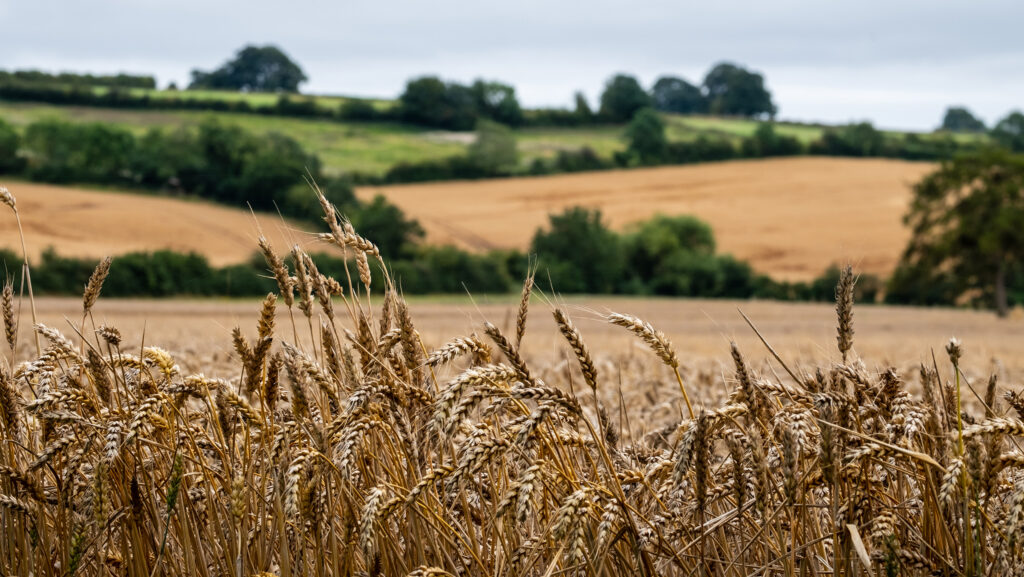 © AdobeStock
 For years, we’ve heard warnings that UK agriculture is at a crossroads and, while many farming businesses have folded over the past two decades, the system has never fully imploded. But now we really are at a critical juncture.
The conditions farmers operate in have fundamentally changed in the past two years.
Rising price volatility comes at a time when climate change is hitting yields and making it harder to manage crops optimally.
See also: How to navigate the shifting sands of rural land use
About the author

Natalie Gaibani is head of farming at Strutt & Parker.
Here, she sets out the mindset of those who are likely to thrive in the new farming world order
In England, the traditional forms of farm support have been removed, replaced by competitive grants with limited funds.
Farms are now living and dying on their business performance. As such, we are seeing the emergence of three distinct farm types.
Changing types
The first are the “struggling” farms, which tend to be production-focused and reactive.
They’re the most vulnerable, with weak cashflow, no real strategy to manage risk or price volatility and they often have unresolved succession issues.
These farms disappearing the fastest, unable to adapt to a world where resilience is no longer optional. Although the land tends to be absorbed by larger units, there is a human cost to every closure.
Then there are the “surviving” farms, run by skilled, cost-conscious operators who benchmark, budget, and generally run tight ships.
They’ve weathered previous crises, but are no longer thriving. These farms aren’t failing yet, but they’re not improving in an era when standing still is a risk.
Finally, there are the “transforming” farms. These farms are treating their business as a rural asset portfolio, diversifying income streams to generate more predictable cashflows and reduce risk.
Some have done this by adding commercial lettings, a padel court or farm shop – although diversification alone is rarely the answer.
Others are making a difference by farming superlatively well, tapping into premium markets or securing long-term contracts.
It is those businesses that are taking a more commercial approach to their assets and long-term options that will dominate, subsuming those who do not.
Right mindset
The difference between these three categories isn’t scale or luck – it’s mindset.
Transforming farmers have accepted that the old model is broken and are not waiting for policy fixes or market rebounds.
Instead, they’re taking control by innovating and finding ways to build financial and climate resilience into their businesses.
They are asking themselves: If we don’t change, what will be left for the next generation?
They are addressing question like: What’s our most underused asset? What’s our biggest risk? Do we have the right structure for the long term?
Navigating this sort of transition is not easy – but there is more support out there than most realise, from innovation and agri-tech grants to water and environmental schemes.
It demands strong financial planning and can be an emotional process that is as much about family, identity and legacy as it is the bottom line.
There are also sector-level challenges to be overcome such as too few new entrants coming into agriculture.
Anyone who has done a recent budget will know that the figures for cereal farmers are stark, in spite of some rebalancing of prices.
But look closer and you will see there are farms making this work.
They aren’t abandoning food production; they’re making it sustainable in ways that offset volatile markets and unpredictable weather.
The farms leading this change won’t just survive. They will define what comes next.