

Video: Campaign urges government to deliver rural ‘reset’
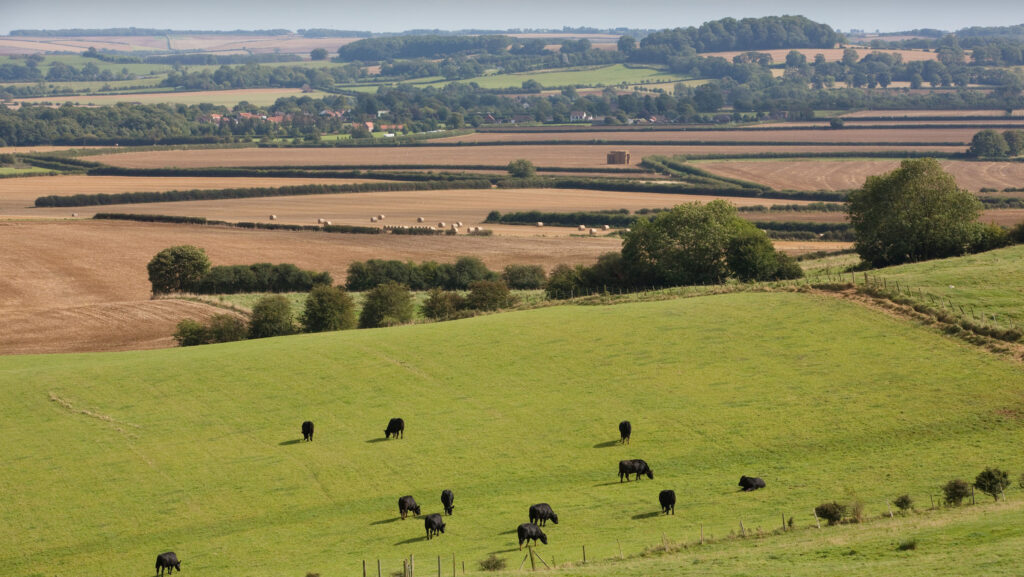 © Tim Scrivener
 The Countryside Alliance is launching a campaign calling on the government to “reset” its relationship with rural Britain, claiming 27 policies announced or imposed since 2024 have harmed countryside communities.
The Campaign for the Countryside will be formally launched at a Westminster event on 14 September, bringing together politicians, rural business leaders, and representatives from farming, horseracing, shooting, hunting, angling and other countryside organisations.
Former NFU president and crossbench peer Minette Batters is among the headline speakers.
See also: Pressure mounts on Burnham for Budget farm tax U-turn
According to the Countryside Alliance, farmers and rural communities have faced a sustained assault on their livelihoods over the past two years.
The organisation cites the Labour government’s controversial decision to introduce farm inheritance tax, dubbed the “family farm tax” by industry, higher National Insurance costs affecting rural businesses, and soaring firearms licensing fees among its main grievances.
The alliance has also hit out at proposed trail hunting bans, restrictions on game shooting, and stringent new affordability checks on betting for horse and greyhound racing – changes it warns could drain hundreds of millions of pounds from the sector.
The campaign launch is being accompanied by a video depicting livestock, farmers, pheasants, hounds, racehorses and pheasants descending on Downing Street.
It comes as prime minister Andy Burnham has pledged to deliver “growth in every postcode” across the UK.
Countryside Alliance chief executive Tim Bonner noted that one in every four British postcodes are rural and argued that the countryside – which contributes upwards of £300bn a year and supports 4m jobs – must be treated as an economic engine rather than an afterthought.
‘Under attack’
“After two years where an unprecedented range of government policies have left rural people feeling under attack, a new prime minister provides an opportunity for the government to reset its relationship with rural Britain,” he said.
Mr Bonner added that rural communities were not asking the government to solve every problem immediately, but wanted to be “heard, understood and treated fairly”.
The alliance is calling for greater involvement of rural communities in the design of policies covering taxation, licensing and regulation, alongside a greater focus on rural poverty and economic growth, rather than the government “imposing top-down legislation that threatens rural livelihoods”.
A UK government spokesman said: “The prime minister has pledged to deliver growth in every postcode and put power back into the hands of local communities.
“We recognise the vital role rural communities play, and the challenges they face – that’s why we’re backing our commitment to them with real investment.
“This includes a record £11.8bn into sustainable farming and food production, to build a profitable, productive and resilient farming sector that supports growth across the country.”
Policies affecting farmers
The Countryside Alliance highlights a number of government measures it says are putting additional pressure on farm businesses and threatening the viability of family farms.
Inheritance tax: Changes to Agricultural Property Relief and Business Property Relief mean 100% relief now applies only to the first £2.5m of combined agricultural and business assets, rising to £5m for married couples and civil partners. Assets above that threshold receive 50% relief, potentially exposing the excess to an effective 20% inheritance tax rate.
Sustainable Farming Incentive: The abrupt closure of SFI24 to new applicants in March 2025 left thousands of farmers in limbo. A limited reopening followed after NFU legal pressure.
Labour costs: Employer National Insurance rose from 13.8% to 15% in April 2026, while the threshold at which employers begin paying fell from £9,100 to £5,000. The National Living Wage also increased to £12.71 an hour, while changes under the Employment Rights Act are expected to increase seasonal labour costs.
Pressure on farmland: The Land Use Framework proposes directing around 15% of current farmed acreage towards environmental, energy and development uses. Meanwhile, planning reforms, the expansion of solar and onshore wind, and accelerated electricity infrastructure development could increase competition for agricultural land.
Vehicles and rural operations: Changes to the tax treatment of double-cab pickups mean they are treated as cars rather than commercial vans for tax purposes, potentially increasing costs for farmers who rely on them for work.